Not Every War Raises Gold Prices
Since the start of the conflict, the metal has already fallen more than 10 %, as rising energy prices drive inflation and push back the prospect of rate cuts. This is especially bad news for Polish investors who eagerly buy gold in the hope of further price increases.
The world today is full of tensions – from the Middle East to the conflict closer to us in Ukraine. In such moments it is usually said that capital flows to safe havens, and gold is one of the most important of them.
This pattern may still hold, but it does not work automatically or under all conditions. Anyone who assumed that every new escalation of conflict would endlessly raise gold prices has recently painfully collided with reality.
This is Not Good News for Gold
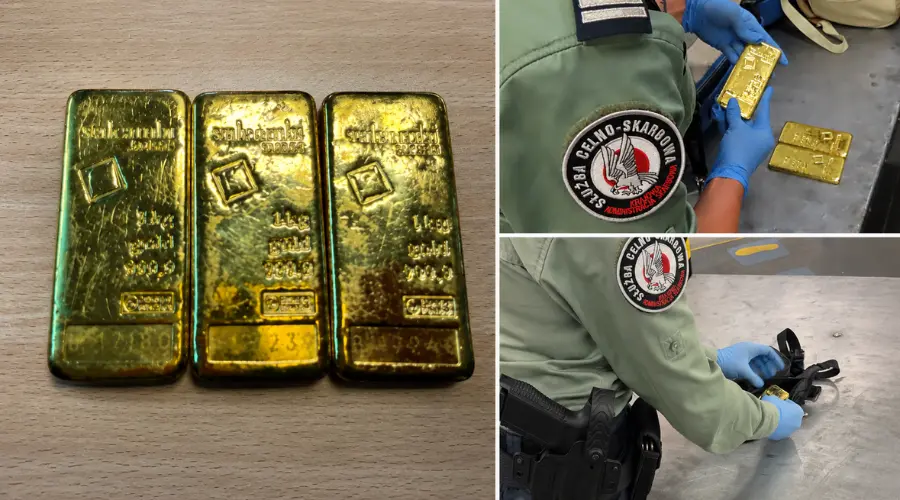
After a very strong 2025, when gold rose by 65 % and set 49 new records, the beginning of 2026 promised a continuation of that trend. New records appeared, and market sentiment remained very positive. However, at the moment of further geopolitical tensions, the pace of growth clearly slowed.
For many investors this was a disappointment. In reality it was more of a signal that gold reacts not to wars themselves, but to their economic consequences.
Not every conflict affects markets in the same way. If a war undermines confidence in the financial system, lowers real interest rates and leads central banks to adopt a gentler monetary policy, gold usually gains.
But when a conflict primarily raises energy prices, increases costs and drives inflation, the situation changes. Then worries grow that central banks will keep high rates for longer. And that is not good news for gold.
Oil Prices Soared, Brent Nears $110
Exactly that mechanism worked in the case of the Iran conflict. Oil prices surged, and a barrel of Brent now costs almost $110. This almost immediately translated into higher inflation expectations. In March inflation in Poland rose to 3 %, compared to 2.1 % a month earlier.
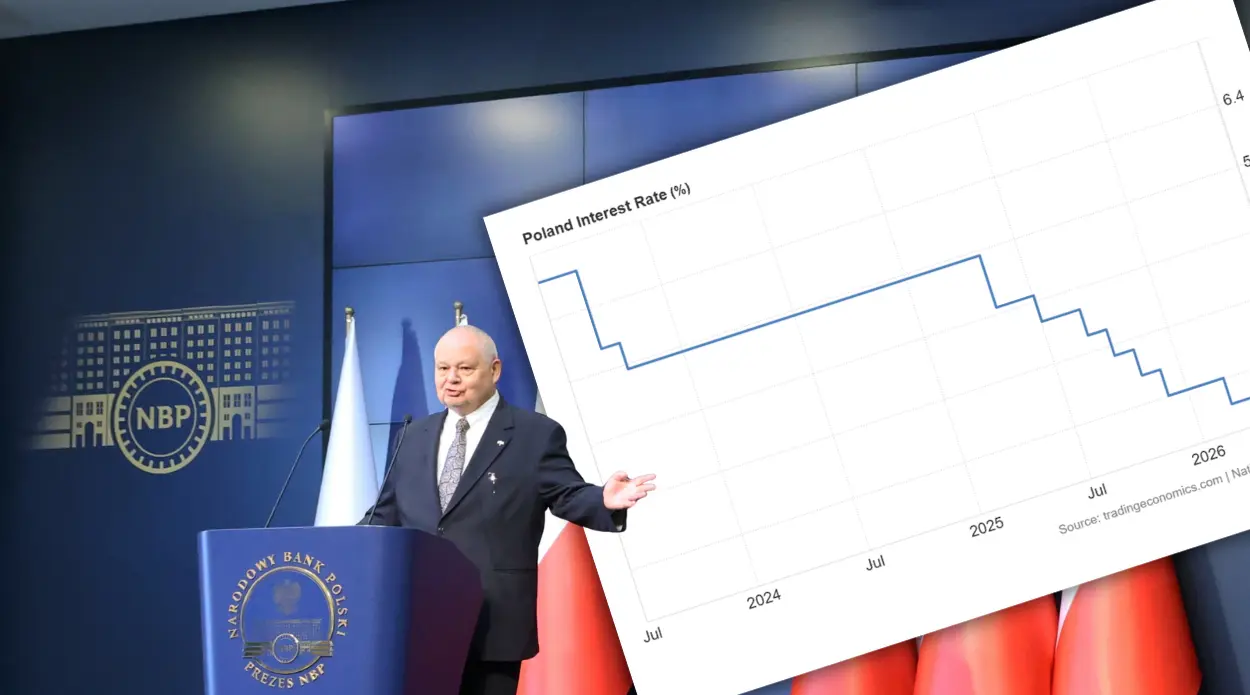
Similar trends are also seen in other countries. However, this is not inflation resulting from a strong economic boom, but cost‑push inflation that weakens growth. Such a shock delays rate cuts, and the further away the easing of monetary policy, the harder it is for gold to achieve strong gains.
Gold May Be the Natural Choice
This leads us to the most important variable, often overlooked in popular narratives about the gold market. Real yields are key. Gold does not pay interest or current income.
Its attractiveness rises when the opportunity cost of holding cash or bonds falls. If real yields rise, gold loses some of its advantage. And that is the move we are observing now.
The same applies to volatility. A rise in the VIX index or nervous moves in equity markets do not automatically translate into higher gold prices. Fear in financial markets takes many forms.
Investors behave differently when they fear a financial system collapse, and differently when they fear an inflation shock caused by rising energy prices. In the first case gold can indeed be the natural choice. In the second, the dollar often wins.
The Market Faces a Different Kind of Crisis
The collision with the consequences of the current Middle East conflict can be especially painful for Polish investors. A study by eToro Retail Investors Beat shows that in the first quarter of 2026, 31 % of Polish investors had commodities in their portfolios, and of those, 70 % held gold.
Silver (39 % of indications), copper (27 %), oil (22 %) and coffee (16 %) were far less popular. This shows that for a Polish investor commodities often simply mean gold.
Nevertheless, the current weakness of gold does not mean it has stopped serving as a safe haven. It rather shows that this time the market is facing a different kind of crisis than the one that usually favored gold price increases.
In recent years gold was helped by expectations of lower rates, a weaker dollar, concerns about the value of money and strong purchases by central banks. Today that combination no longer works in the same way.
Uncertainty and volatility again dominate the market, but they do not automatically translate into higher gold prices. Paradoxically, a de‑escalation of tensions in the Middle East could turn out to be better news for gold.