What awaits Poles in less than two years may prove “deadly” in financial terms for many people. All because of ETS2, which, once it comes into force, will affect many sectors of life for residents of our country. One thing is certain: it will become more expensive and only more expensive.
Fuel prices will shoot up
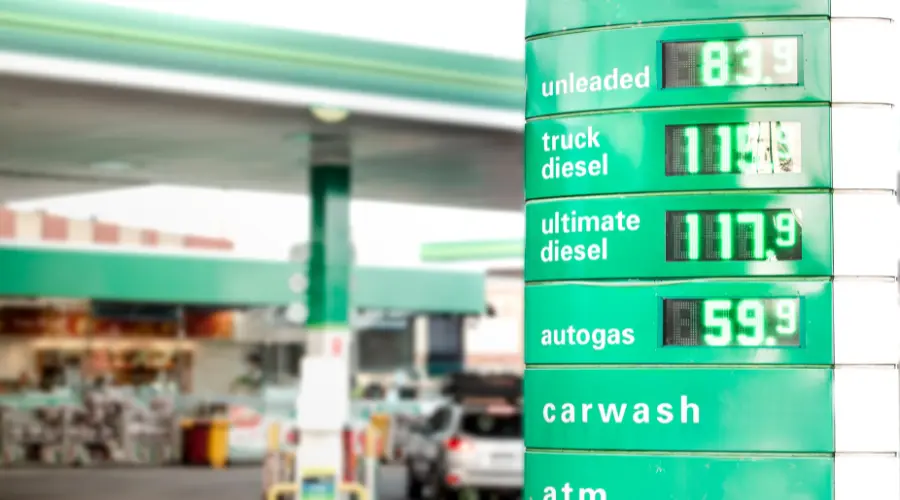
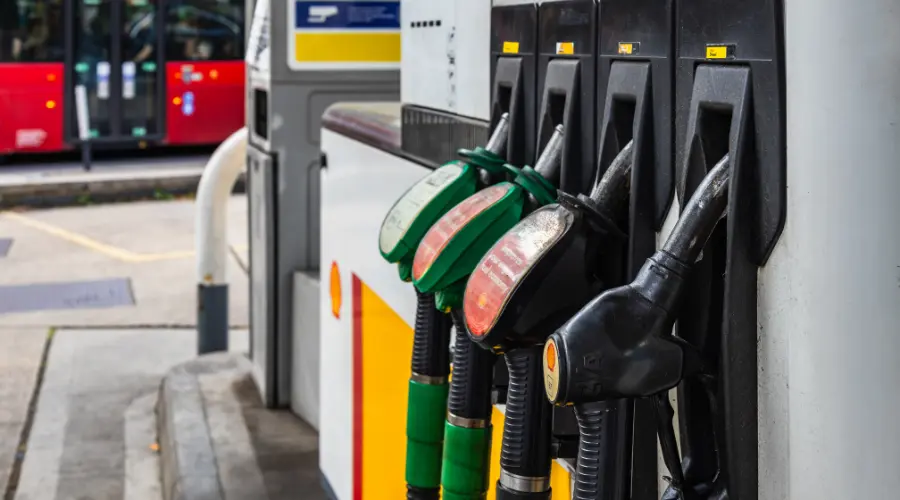
ETS2 will have a real impact on fuel price increases across Europe. Alior Bank analysts point out that in various scenarios, a liter of gasoline and diesel could rise by several tens of cents to over 1.5 PLN!
How will this shape up in the coming years? Alior Bank economists calculated that in the first year of ETS2 operation, a liter of gasoline could increase by 65 cents, and diesel by 75 cents. And that’s without adding VAT, which will further drive fuel prices higher. By 2031, the price of a liter of gasoline could rise by 1.35 PLN, and diesel by 1.57 PLN.
Other groups of analysts also attempt to illustrate how fuel costs may rise after ETS2 takes effect. ING economists believe that depending on the scenario, it could be lower than Alior Bank experts’ estimates and amount to about 46 groszy per liter. In the pessimistic scenario, the increase could reach as much as 2 PLN per liter of fuel!
Higher fuel will hit the pockets of drivers of combustion cars, which is a larger portion of Poles. However, this does not mean that people traveling in electric cars will be immune to price hikes. Far from it. Even if they are not directly affected during refueling, they will still pay higher prices for goods and services that will be more expensive due to higher transport costs.
The EU is hitting the poorest Poles
ETS2 is a fee that will be felt by everyone, not just owners of combustion cars. ETS stands for Emissions Trading System – a system for trading CO2 emission allowances. Unlike ETS1, which has been in force since 2005 and is imposed on power plants, steel mills, or cement factories, it does not directly hit EU citizens. ETS2 is a tax that will have to be paid for emissions from fossil fuels, so not only fuels that power cars but also those that Poles use to heat their homes.
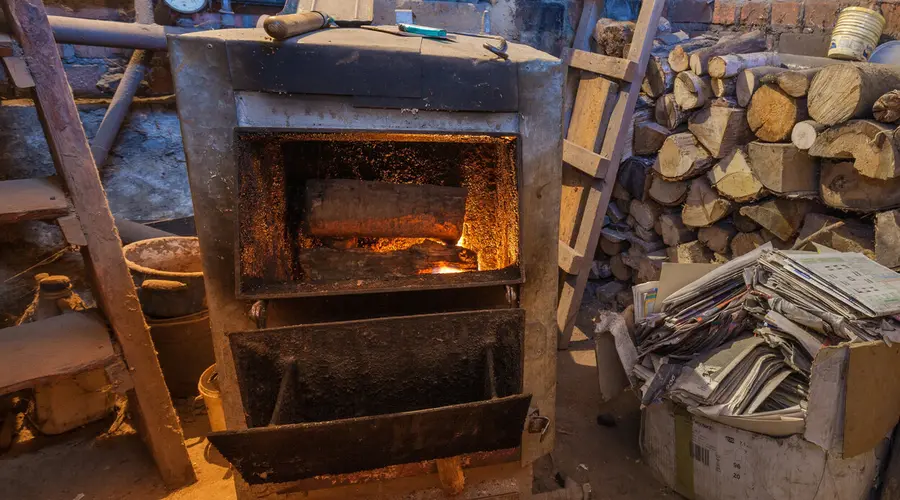
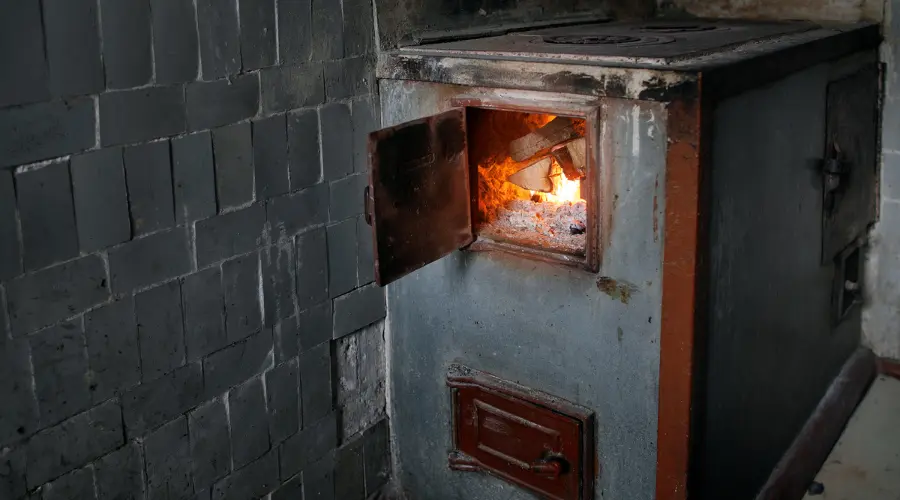
Poland is a European leader in heating homes with coal. This solution is largely used by the poorest part of society, who cannot afford to replace old coal furnaces, the so‑called “kopciuchy”, with new eco‑friendly heat sources. Added to this are heating costs, which are much higher when using EU‑preferred heat pumps.
Those who still want to use coal furnaces will pay higher fees. According to economists, in the initial phase, after ETS2 takes effect, the difference per single‑family home could amount to several hundred zlotys. By 2030, this difference could rise to about 6,000 PLN for gas and up to 10,000 PLN for coal!
Prime Minister claimed credit for nothing
Politicians from both the ruling and opposition parties, except for Confederation, which has opposed the introduction of ETS2 from the start, began competing in sensational accusations and promises about what they can do to stop the European tax. Their grand announcements – as one could already get used to – ended in failure.
The draft bills to delay ETS2 by three years were submitted to the European Parliament by the Civic Coalition and the Polish People's Party, which belong to the European People's Party. Their proposal was rejected. Likewise, the idea of the Law and Justice politicians belonging to the European Conservatives and Reformists, who demanded a complete postponement of the system’s introduction, was rejected.
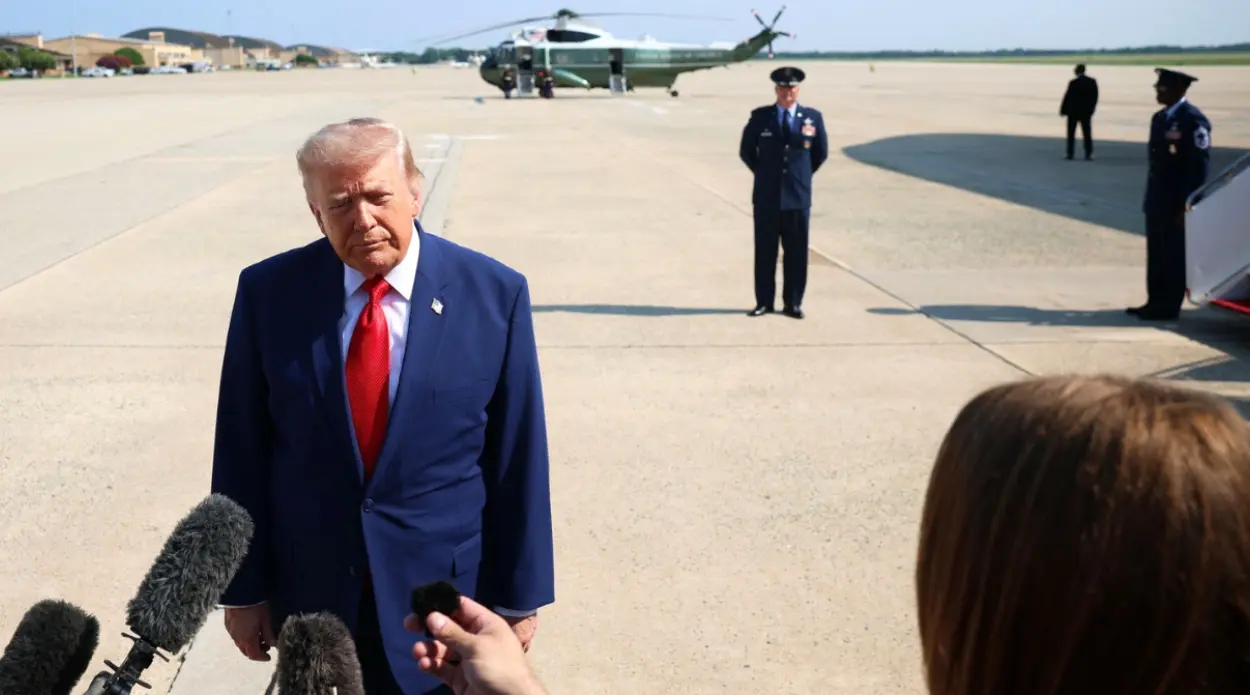
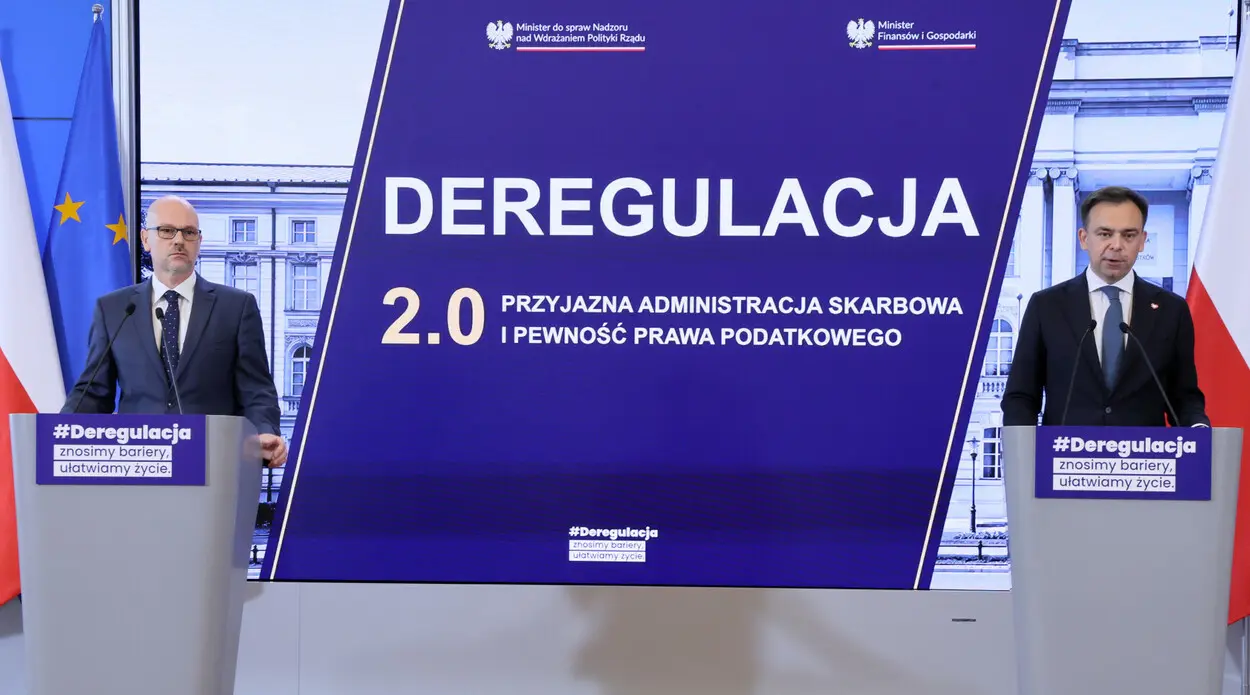
The success announced by Prime Minister Donald Tusk, who told Poles that thanks to his efforts ETS2 was “disarmed”, is also doubtful. In practice, its implementation was postponed by one year from 2027 to 2028. It is hard to assess how much influence the head of the Polish government had on the European Commission, which made this decision.
Article 30k of the ETS directive allows a one‑year delay of the ETS2 mechanism in the case of especially high gas and oil prices. This problem has been faced by all of Europe since the outbreak of the war in the Middle East. The open question remains whether, without Donald Tusk’s intervention, the European Commission would have still decided to postpone ETS2’s entry into force due to geopolitical circumstances?
See also: Is nuclear energy a chance for low electricity prices? Expert: “It’s more about stabilization than price cuts”