The caravan keeps moving
Inflation forecasts have worsened somewhat (more so in the USA than in the euro zone), changing the monetary policy outlook of the main central banks. The war’s effects have ruled out Fed rate cuts and prompted an increase in ECB rates.
Preliminary US–Iran agreement and partial reopening of the Strait of Hormuz are building optimism that the shock will fade. In such conditions, the direction for the global economy would be set by AI-related investments, mainly in the USA, and by infrastructure and defense spending in Europe.

The national economy remains on a path of rapid growth. The oil shock has not knocked it out of rhythm, and its impact is at present smaller than a severe winter. Data confirm a clear revival in investment and a steadily solid growth in consumption. We still forecast GDP growth of 3.5% in 2026 and close to 3.0% in 2027.
The labour market is undergoing many structural changes and at the same time is in a state of healthy balance: lower demand for labour has reduced wage dynamics, but this does not translate into higher unemployment. Wages continue to rise noticeably faster than prices, allowing for growth in consumption and savings.
Inflation forecasts have changed recently as often as the situation in the Persian Gulf, reflecting dependence on oil prices and regulatory solutions. The CPN program has fulfilled its role – it anchored inflation expectations. Its termination will lift inflation, but only slightly and temporarily. There is no sign of a second round, no pressure from the labour market, and this signals a return of inflation to the target point in 2027.
“By the end of 2026 the Council will not change rates”
Oil price increases deepened the trade deficit and the overall current account, but less than we feared. The external balance is not seriously threatened, and a positive signal is the growing geographic diversification of exports and still exceptionally large commodity diversification.
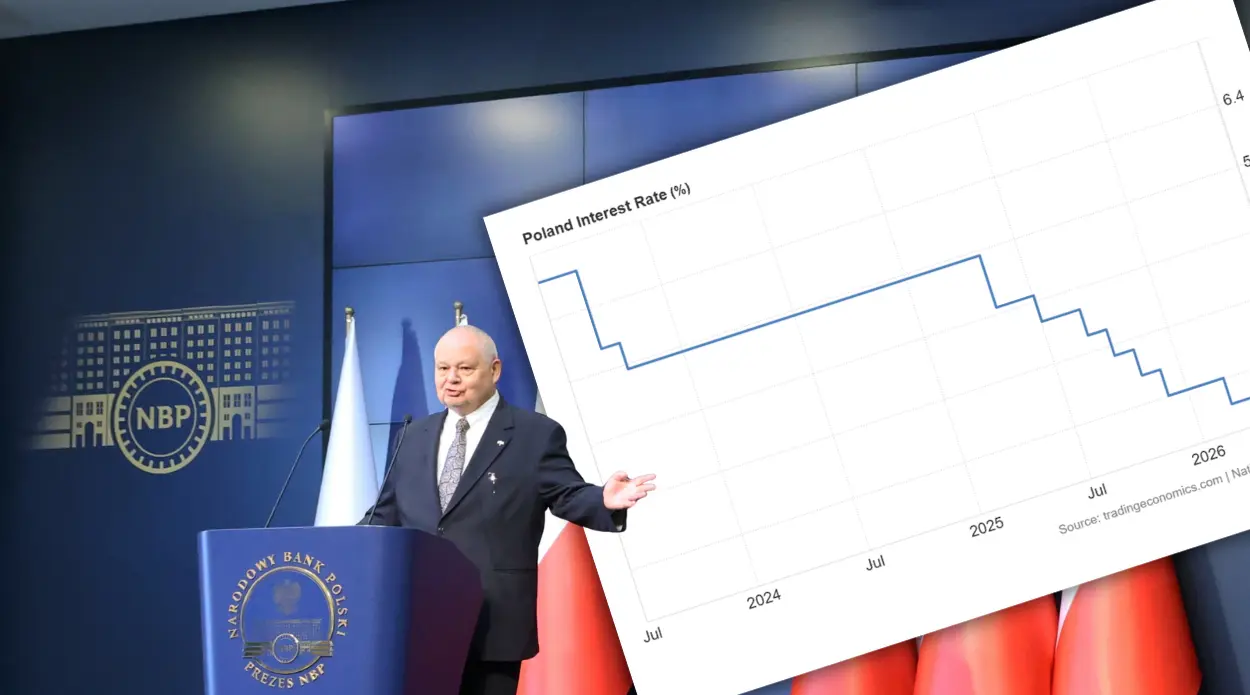
Our strategy, that the frequency of NBP rate forecast changes is inversely proportional to the frequency of RPP rhetoric changes, pays off. We maintain the prediction that by the end of 2026 the Council will not change rates.
Our inflation forecasts indicate that in 2027 there will be room for cuts. Market valuations, previously assuming an increase in the reference rate this year to 4.50%, have converged to our scenario.
Worsening public finances remain the most serious weakness of the Polish economy. Fiscal risk is steadily rising, and additional costs related to the oil shock did not help.
A collision with a wall in the form of exceeding the statutory prudential threshold for public debt will occur no earlier than 2027, which would mean the need for drastic fiscal adjustments in 2029.