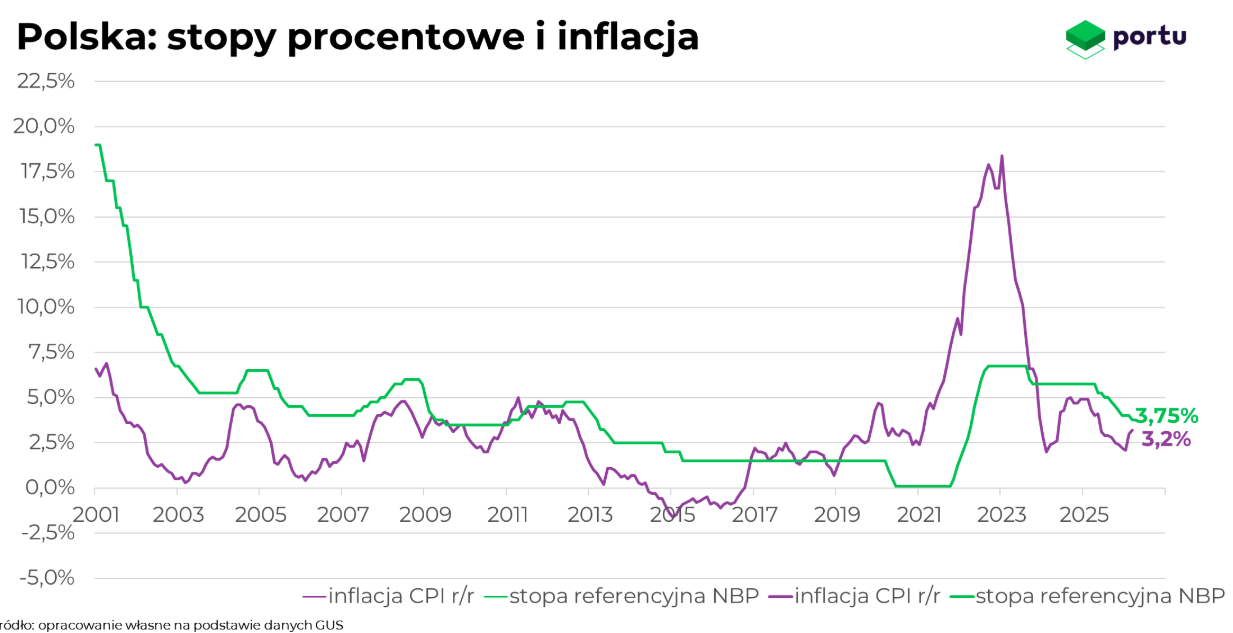









The commodity shock has not yet spread widely across the economy, but it is already becoming noticeable. However, it is worth remembering that April inflation was partially offset by a reduction in VAT and excise on fuels. Unfortunately, the stalemate in talks in the Middle East keeps oil prices on an upward trend, meaning that inflation will eventually hit deeper into our wallets.
The effects of the second round are still ahead of us, and in the coming months price pressure will appear in an increasing number of categories, from transport to food. In our view, however, a wage‑price spiral does not threaten us. It remains primarily a supply‑side inflationary impulse, and the economy’s starting point is much better than in 2022. We could, however, see a transitional rise in inflation to around 4% in the coming months.
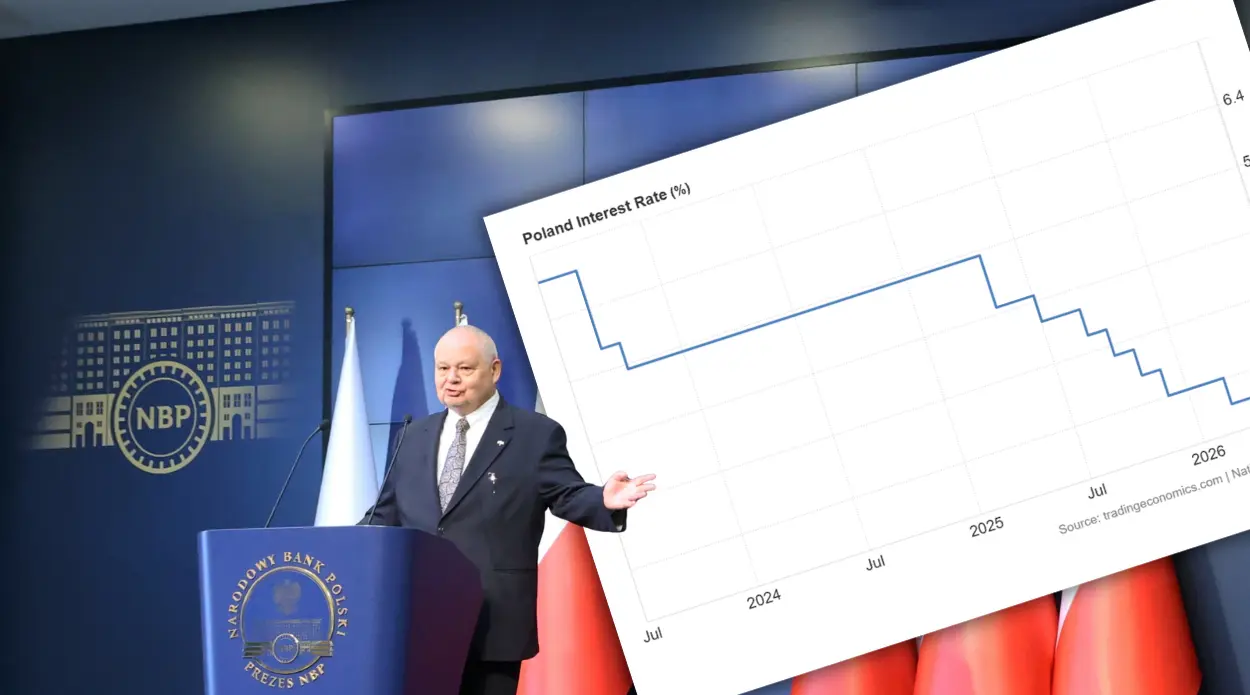
As we indicated earlier, the March rate cut was probably the last in this cycle. Now the RPP may stay in a wait‑and‑see mode for longer until the situation in the Middle East clarifies. Currently, we lean towards a scenario of no rate changes until the end of the year – said Andrzej Gwiżdż, analyst at the investment platform Portu.