In the country
In July the overall synthetic business activity indicator for Poland was 96.5 compared to 98.8 in June, said the Central Statistical Office.
Industrial utilisation of production capacity in July was 78.7%, versus 77.7% a year earlier, said GUS.
The total value of household financial assets at the end of Q1 2026 was 4,102,154 million PLN, said the NBP.
The Ministry of Finance is analysing various scenarios for changes to the tax scale parameters – the ministry informed PAP in response to a question about raising the personal income tax exemption.
After Thursday’s auction, the degree of financing of this year’s gross borrowing needs of the state budget is about 67%, the finance ministry told PAP Business.
From the world
The PMI index, which measures business conditions in the eurozone’s manufacturing sector, prepared by S&P Global, was 52 points in July versus 51.4 points at the end of the previous month – the first estimate. The market expected 51.5 points.
The PMI index, which measures business conditions in the eurozone’s services sector, prepared by S&P Global, was 51.6 points in July versus 49.4 points in the previous month – the first estimate. The market estimated 49.8 points.
The PMI index, which measures business conditions in France’s services sector, prepared by S&P Global, was 49.8 points in July versus 46.8 points at the end of the previous month – the first estimate.
The market estimated 47.5 points. The PMI index, which measures business conditions in France’s manufacturing sector, prepared by S&P Global, was 50 points in July versus 51.2 points at the end of the previous month – the first estimate.
The market estimated 51 points. Long‑term, three‑year inflation expectations in the eurozone in June were 2.8% versus 2.9% a month earlier, the European Central Bank said in a statement.
Forecasted +2.9%. The PMI index, which measures business conditions in the US manufacturing sector, prepared by S&P Global, was 53.8 points in July versus 53.9 points in the previous month – the preliminary estimate. The market expected 54.4 points.
The PMI index, which measures business conditions in the US services sector, prepared by S&P Global, was 53.6 points in July versus 51.2 points in the previous month – the preliminary estimate.
The market expected 51.5 points. The US PMI composite index, prepared by S&P Global, was 53.6 points in July versus 51.9 points in the previous month – the preliminary estimate.
The market expected 52.2 points. New home sales in the US in June were 628,000 on an annual basis, versus expected 607,000 – the Department of Commerce said. A month earlier sales were 618,000, after a correction from 580,000.
Recovery on both sides of the Atlantic
Preliminary July PMI readings indicate an improvement in business conditions in both the US and the eurozone, although the sources of growth and threats to further recovery remain divergent. In the eurozone the PMI Composite index rose to 51.9 points from 50.0 points in June, reaching its highest level in five months and signalling the first quarterly rise in economic activity in four months. The improvement covered both services (51.6 points) and manufacturing, where production reached its highest momentum since March 2022, and the PMI index rose to 52.0 points.
For the first time in four months, Germany also recorded an improvement, with the rise in activity accompanied by the first quarterly increase in new orders and a gradual rebuilding of employment. At the same time cost and price pressure weakened, reducing the pressure for further tightening of monetary policy by the ECB. Despite the improvement, respondents note that the durability of the recovery remains dependent on the geopolitical situation in the Middle East and its impact on energy prices and global supply chains.
In the US July data also proved better than June’s. The PMI Composite index rose to 53.6 points from 51.9 points, reaching its highest level in eight months, mainly thanks to a clear rebound in the services sector. At the same time activity in manufacturing slightly slowed. Production and new orders grew at the slowest pace since March, and the manufacturing PMI fell slightly to 53.8 points.
A positive signal was the return of employment growth and improved business expectations, but the picture of business conditions deteriorates with the renewed intensification of inflationary pressure. Supply chain disruptions related to the conflict in the Middle East led to the largest delivery delays in almost four years, and the rise in costs and selling prices reached the fastest pace since 2022. This means that despite solid growth in economic activity, prospects for the US economy remain burdened by the risk of sustained high inflation.
Dollar strengthens
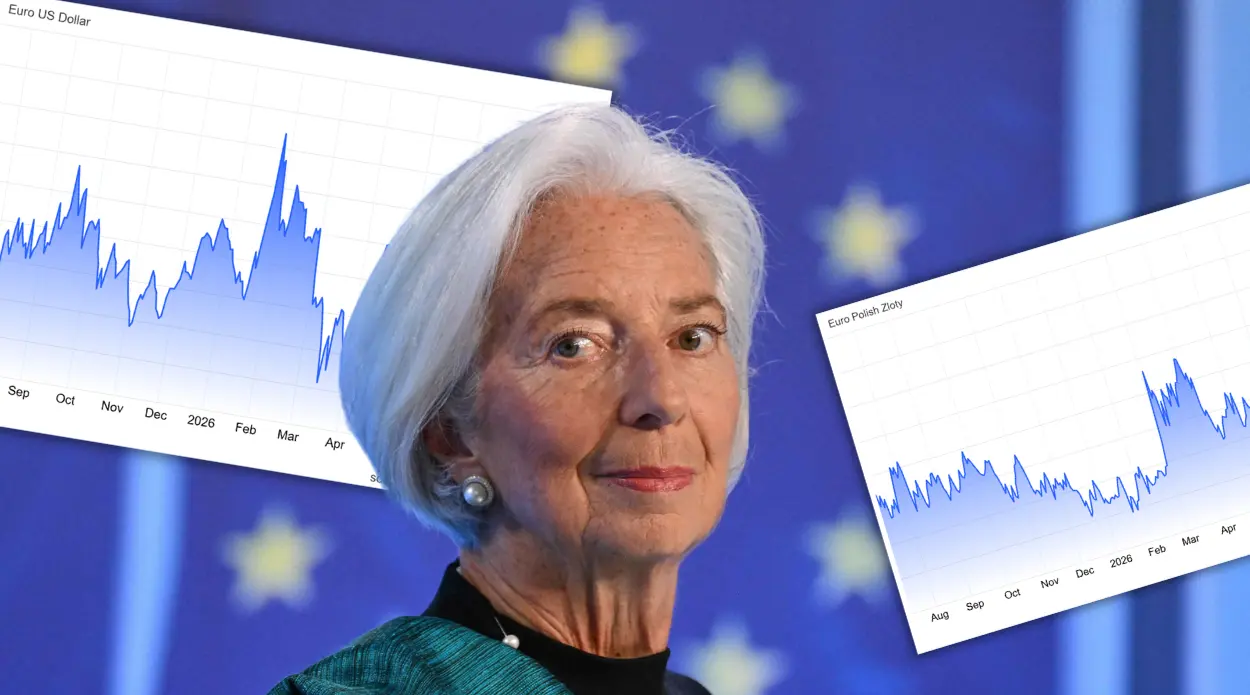
The past week saw a decline in the EUR‑USD rate. The dollar’s strengthening was supported by escalating tensions in the Middle East, rising oil prices and increasing expectations of a more restrictive Fed policy. The ECB’s hawkish message failed to reverse this trend.
Stronger zloty
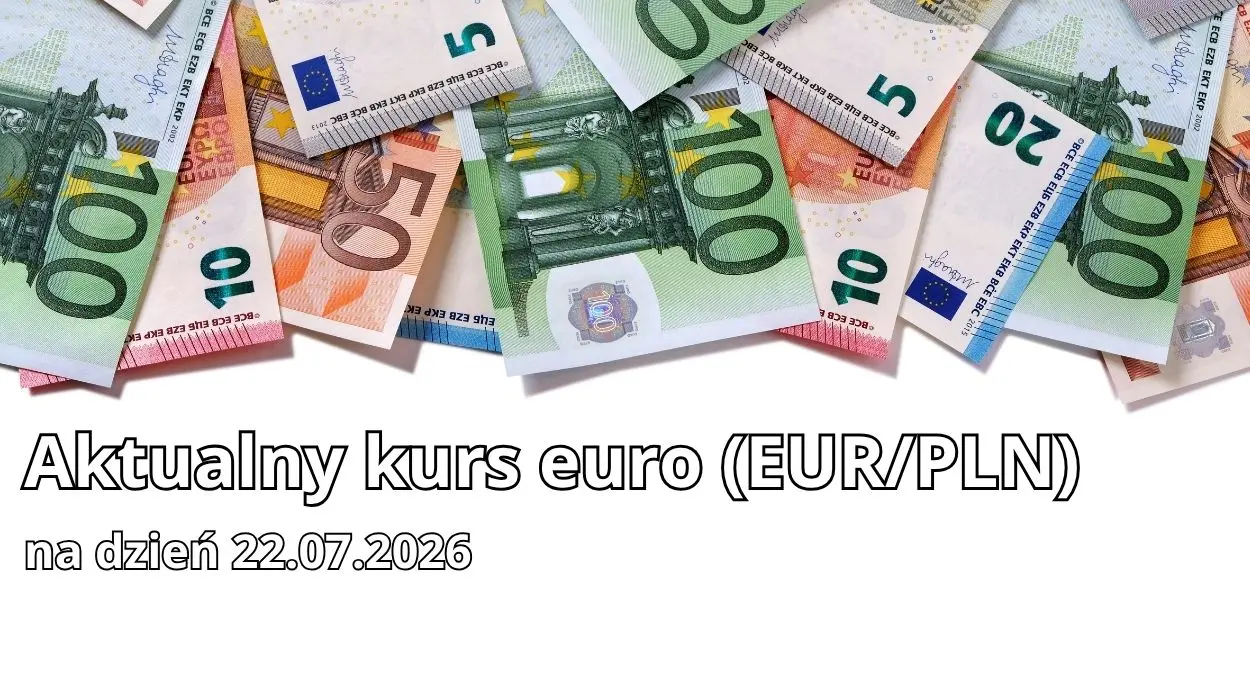
For most of the past week the zloty remained relatively stable, hovering near 4.33 per euro.
Despite an adverse external environment, the domestic currency benefited from the fading expectations of NBP rate cuts, which increased its resilience to global risk aversion.
The EUR‑PLN rate ultimately ended the week slightly below 4.32, following a mood improvement before the weekend and a better-than-expected PMI reading in Europe.
Debt weakening
Last week the domestic debt market remained under pressure from rising oil prices, geopolitical tensions and the fading expectations of NBP rate cuts.
As a result bond yields rose sharply, reaching their highest levels since mid‑June. Base market yields also rose.
This week the data calendar for Poland is empty. Only on Friday will we learn the quick estimate of the July CPI. From abroad, today at 10:00 the July Ifo Institute index for the German economy. On Wednesday at 20:00 we will learn the Fed’s decision on interest rates. The market expects rates to remain unchanged.
On Thursday preliminary GDP readings for Q2'26 for the eurozone and the US, the July economic outlook report and preliminary HICP inflation data for July for Germany and Spain will be published. On Friday we will learn the preliminary HICP inflation reading for the eurozone for July.