A balcony that changed the rules of the game
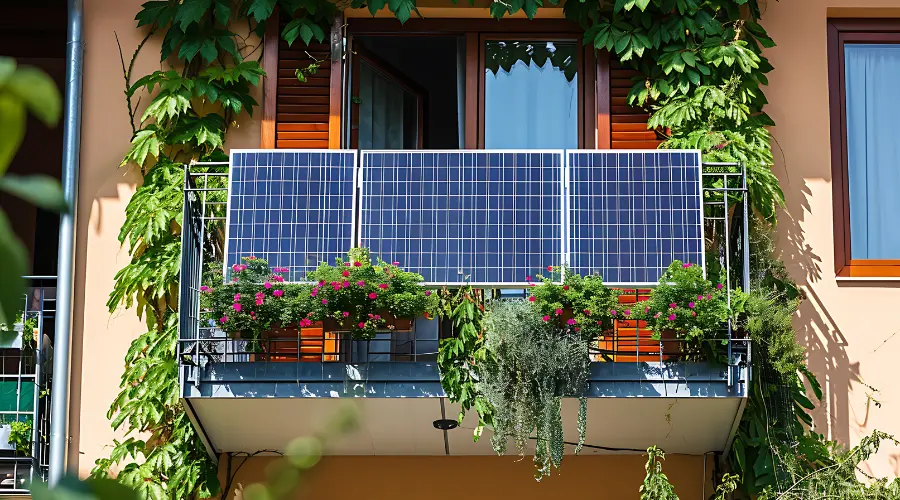
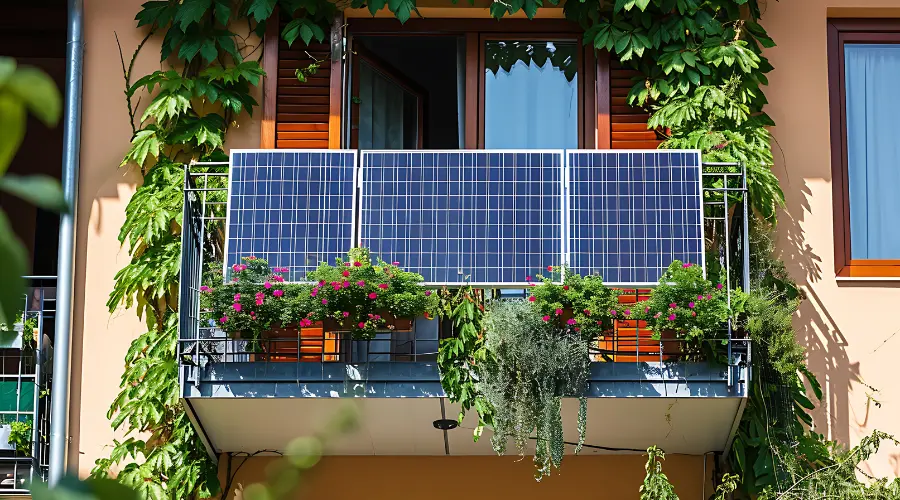
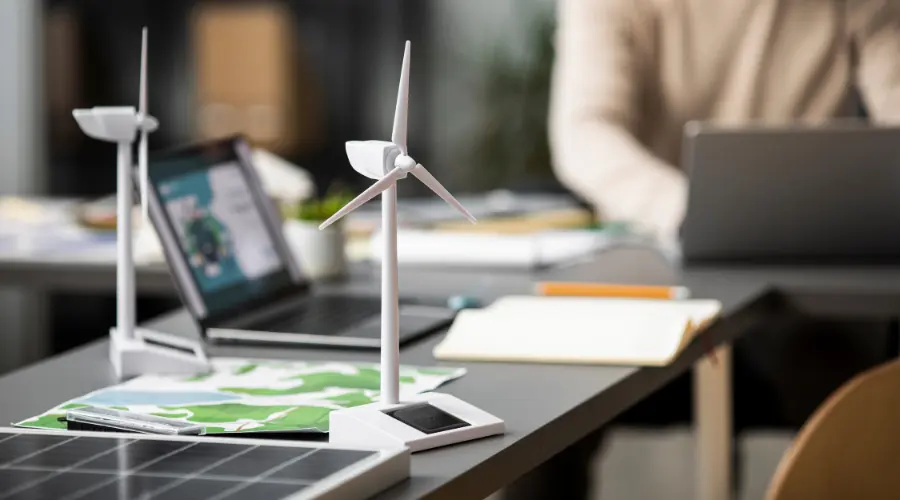
As editors at Spidersweb note, back in October 2024 Germany had over 706 thousand registered plug‑in installations. Today there are about 1.4 million. One or two modules, an inverter, a regular outlet and a balcony start producing energy, lowering the owner's annual bills.
And that’s why the boom is not slowing down. Cities and municipalities subsidise from 50 to 500 euros, and retail networks lure with promotions and energy storage. A resident starts the equipment without specialist knowledge and immediately uses their own electricity production. The grassroots energy transformation happens in front of operators. The only difference is scale changes everything. A simple system for a single tenant becomes difficult for an operator when thousands of devices operate outside his control.
Invisible current, visible risk
More and more owners do not register balcony photovoltaics. In Wuppertal the municipal energy plant counted 1,816 official installations, while the actual number is expected to be much higher. This is not a trivial administrative detail, but a serious data gap.
The operator then does not know how much energy households produce or when surpluses feed into the grid. With an old meter the situation becomes even more troublesome when a dwelling consumes less than the panels produce; the meter may start rolling back. Documents show lower consumption, but the additional electricity fed into the system is invisible.
As such installations increase, the risk of voltage spikes, overloads and automatic disconnections rises. The benefit of one family can therefore become a problem for an entire street. German law reacts quite sharply, non‑registration is an administrative offence punishable by up to 50,000 euros in fines.
The insurer may also refuse to cover damages caused by an unregistered installation.
Poland blocks the idea before it can be organized
Poland does not yet have clear regulations that would open the way for similar development. Decisions are made by cooperatives and communities, each according to its own rules. Instead of a simple process, long lists of requirements, approvals and safeguards appear.
In the Siemianowice Housing Cooperative a tenant must have home insurance for at least half a million zlotys. In the Poznań Housing Cooperative no one has yet received approval. The market does not mature. It dies.
Germany shows two mistakes at once: too little control creates chaos, and too many barriers kill initiative. Poland should not choose either path. It needs simple rules, mandatory registration and a procedure that protects the grid but does not deter residents. A balcony can lower bills, but only when the law stops pretending the problem does not exist. Are Polish cooperatives and legislators ready to understand this? Let’s start this debate now — before the first mass installations appear without rules.