Green power disappears, the bill remains
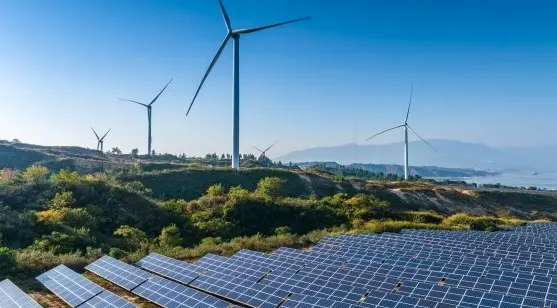
The Polish energy mix is changing faster than the way it is managed. In 2025, renewables delivered 54.7 TWh out of 174.3 TWh of gross domestic electricity production. Wind produced 23.8 TWh, and photovoltaics 20.3 TWh. At peak times, the share of both sources reached 73 %.
Here comes the problem, because photovoltaics produce the most on sunny afternoons, wind under favorable conditions, and demand does not always rise in the same rhythm. When there are no consumers, storage, or sources that can quickly reduce output, the operator cuts renewable production.
As highlighted in one of the latest Spidersweb reports, the scale of the phenomenon is no longer marginal, because from January to the end of June 2025, 879 GWh of wind and solar energy were curtailed, worth about 375 million PLN nominally. The number of hours with negative prices rose to 315. This is no longer an anomaly, but a signal that the system has energy but no place to direct it.
Heating plant as a safety valve
The solution is to combine power generation with district heating. Power‑to‑Heat technologies, electric furnaces, resistance furnaces, large‑scale heat pumps, and heat storage can convert a temporary surplus of green electricity into heat for cities.
The mechanism is similar to charging a reservoir when energy is available and using it later. The heating plant increases consumption during high PV or wind production hours, converts electricity to heat, and stores it until consumers need it. It does not generate electricity then. It draws it in a controlled way, becoming a “negative power source” for the system.
The potential is large. The production of commissioned heat accounts for about 60 % of national electricity production, and network‑delivered heat about 34 %. This is a sufficiently large consumer to take over some of the surpluses that currently go to waste.
Instead of paying twice, combine systems?
Sector coupling offers a double benefit, as it reduces waste of renewable energy and accelerates the shift of district heating away from coal, which still accounts for about 57 % of the chemical energy of fuels used in commissioned heat sources.
Today the system shuts down wind turbines and photovoltaics, while heating plants burn fuel. After integration, the electricity surplus becomes heat, the storage takes it for later, and cities use fewer fossil fuels. The same energy works for two sectors.
With transformation costs estimated at 299–466 billion PLN, Poland cannot choose solutions based solely on the price of a single installation. The cost of the entire system matters.