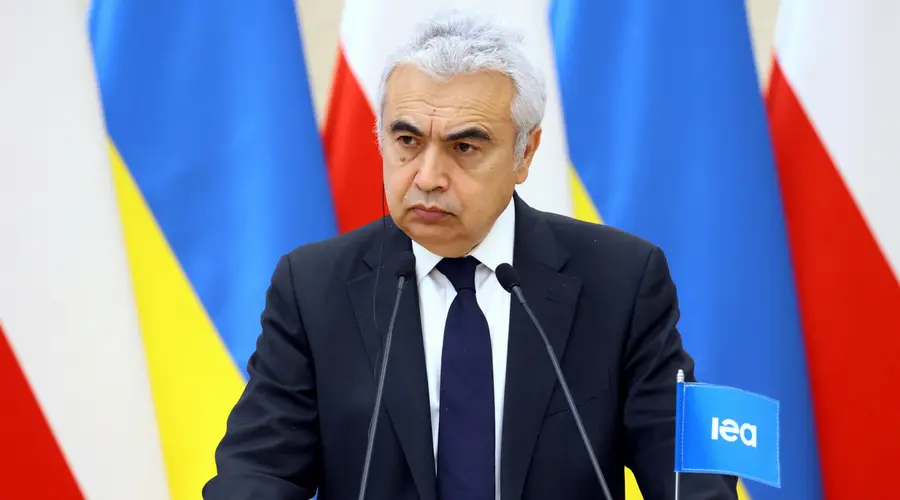
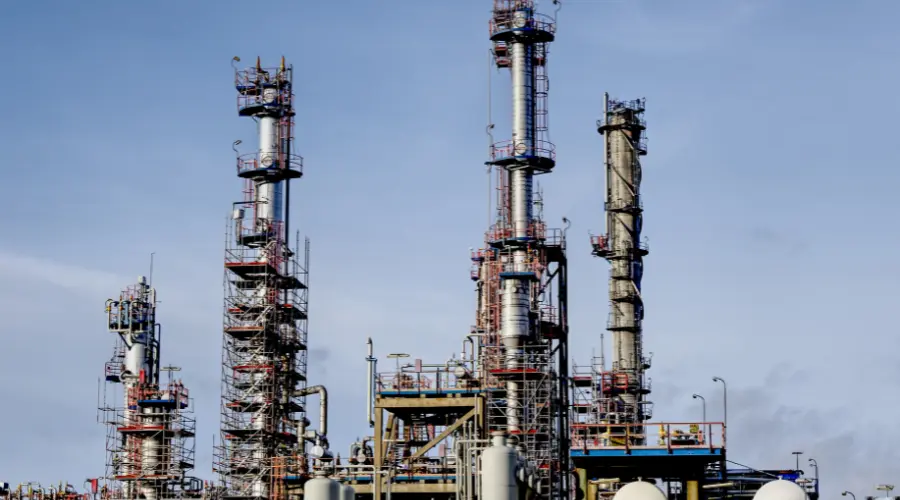
Fatih Birol raised the issue of disappearing oil reserves in global storage during a Monday meeting of finance ministers from the G7 countries that took place in Paris. The head of the International Energy Agency (IEA) warned that oil reserves are shrinking at a rapid pace. He added that they are sufficient for only a few weeks.
Strategic reserves have been released
The situation in fuel markets is serious. According to IEA data, reserves in March and April decreased by 250 million barrels, which translates to 4 million barrels per day. The situation in fuel markets, which could be even more difficult than it is now, improved with the release of strategic reserves. This was done by 32 member countries. A total of 426 million barrels entered the market, almost a third of strategic reserves. This obviously helped, but did not solve the problem that deepens with each passing day of the war in the Middle East.
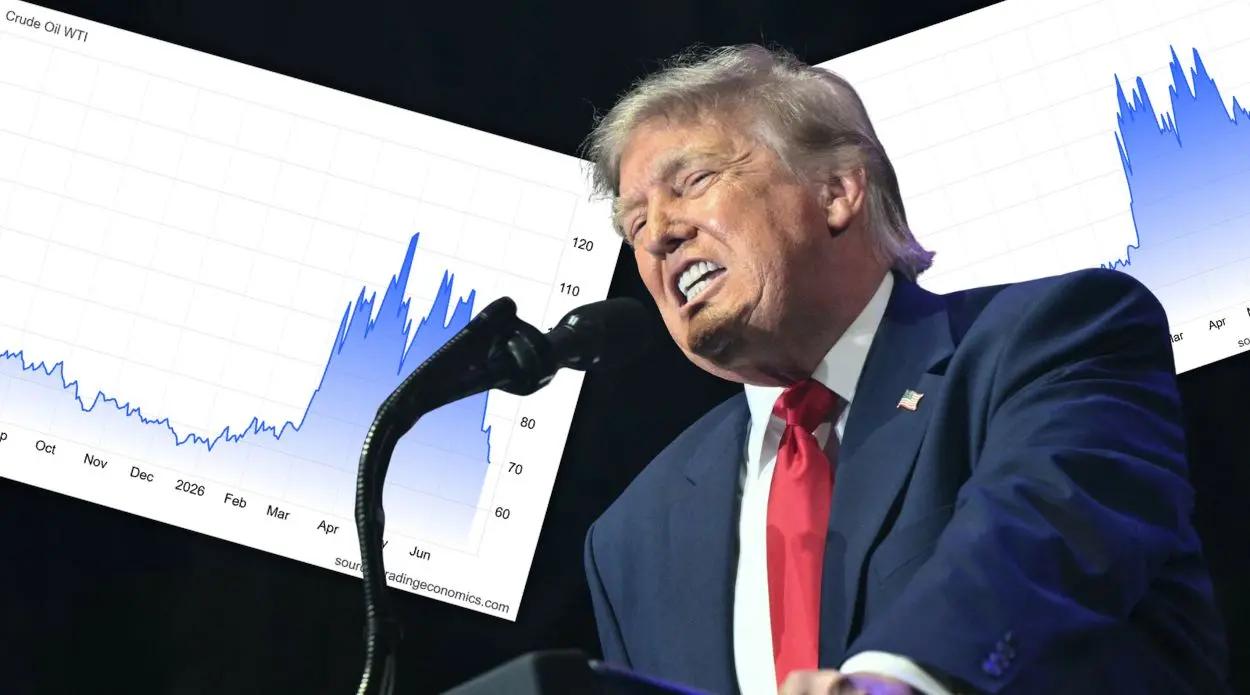
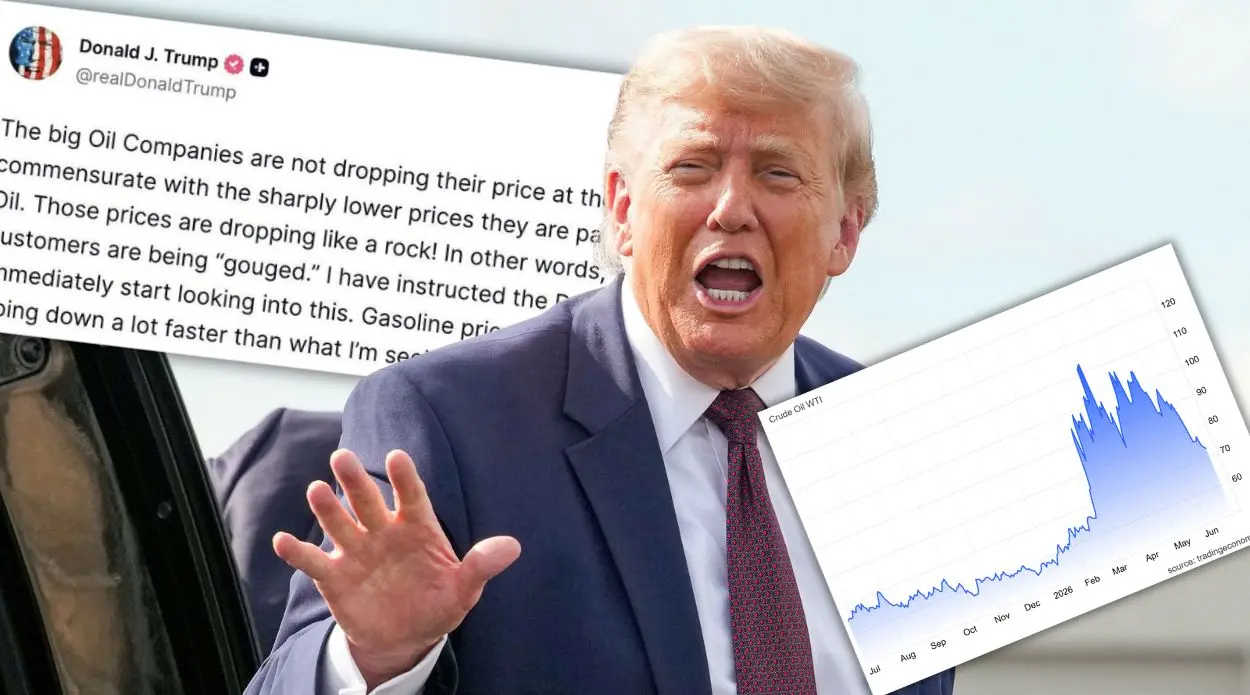
“More than 10 weeks after the war in the Middle East began, increasing shortages in supplies through the Strait of Hormuz are depleting worldwide oil reserves at a record pace. A rapid decline in reserves amid ongoing disruptions could signal future sharp price increases” - warned Fatih Birol during the Monday meeting in Paris.
Impacts on the global economy could be huge
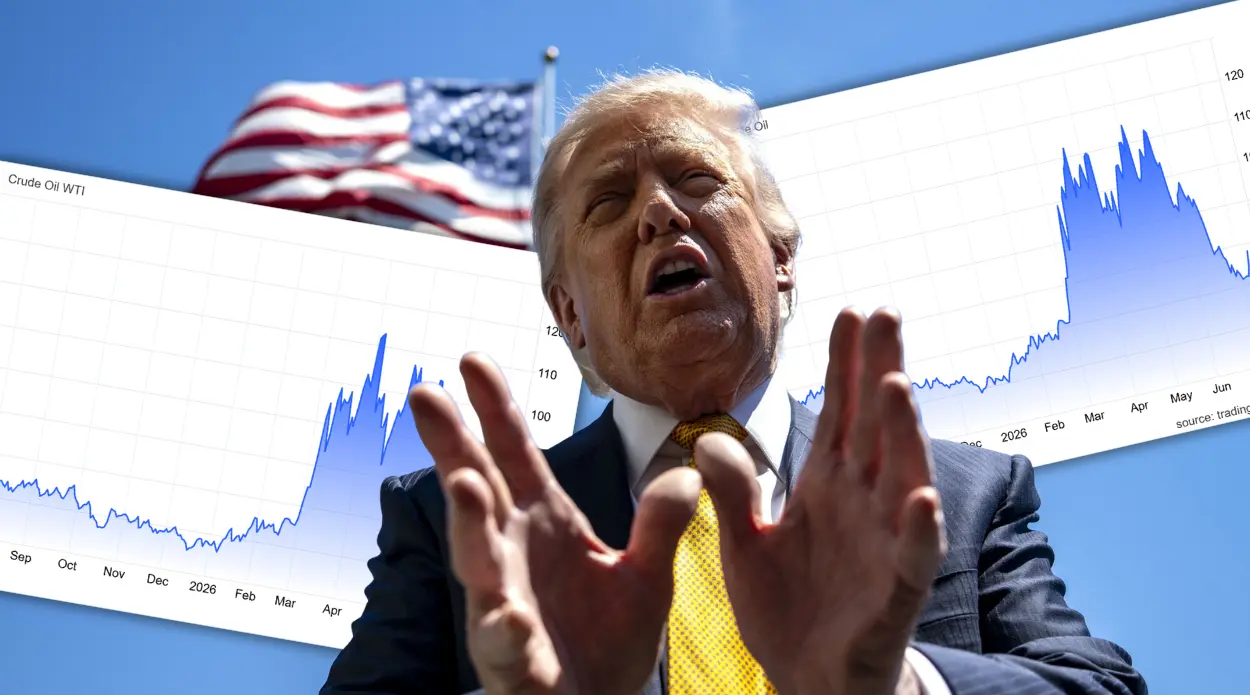
Depleting oil reserves is one, but not the only problem that global economies will have to deal with. It is all a result of the war in the Middle East. Recall that on February 28, the U.S. army, with Israeli support, decided to attack Iran. The conflict, which - according to U.S. President Donald Trump’s promises - was supposed to end in a few days, has already been in its third month and so far nothing indicates that it will end quickly. Indeed, from time to time there are voices of a breakthrough in peace talks that could bring the war to an end, but for now it ends there. Even if the conflict ends, the effects of these events will be felt worldwide for many months. This is partly due to losses in infrastructure used for oil extraction and transport that were damaged as a result of Iranian attacks. Repairing part of it - as experts predict - will take not months but years.
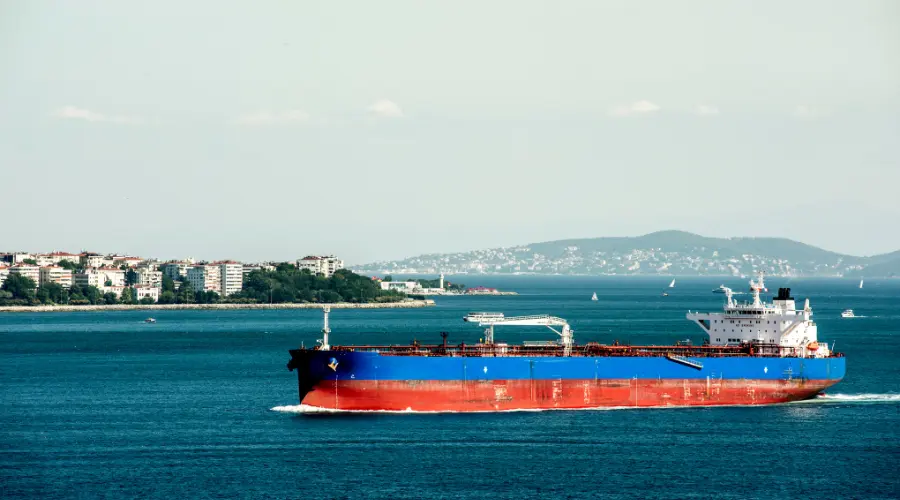
Time will also be required to restore shipping transport through the Strait of Hormuz. This was reduced to almost zero due to the war. And let’s remember that before the conflict, this trade route carried almost 20% of global oil demand, and about 30% of gas. Making up for the losses caused by these restrictions will also take months.
Many countries immediately after the outbreak of war began to look for alternative supply sources, but they did not meet the needs.
This means that even after the war ends, normalizing the situation in markets, where both current consumption needs and re‑stocking of warehouses will take time. This so far does not work in favor of global economies, which could lead to inflation and other problems that countries around the world will have to deal with in the coming months.
See also: What’s happening between the dollar and oil? A key dependency