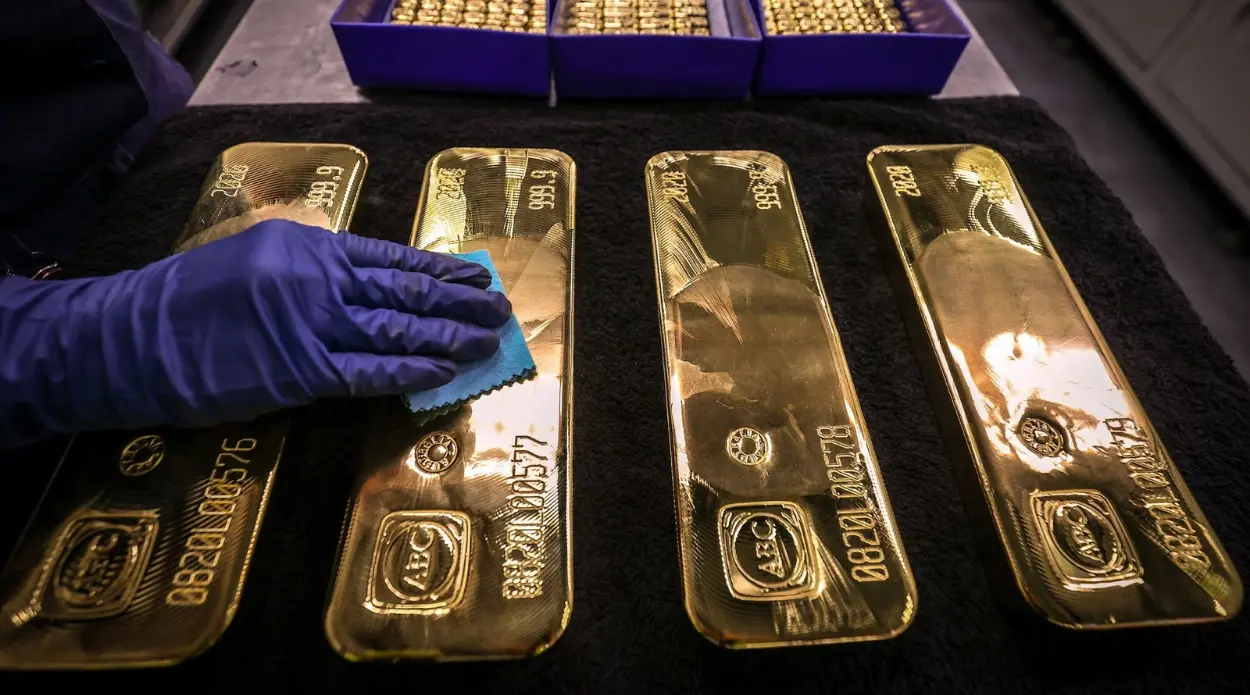
The logic suggests that in the face of a conflict between the United States and Israel versus Iran, investors should flee to safe havens.
Market paradox, or energy stronger than fear
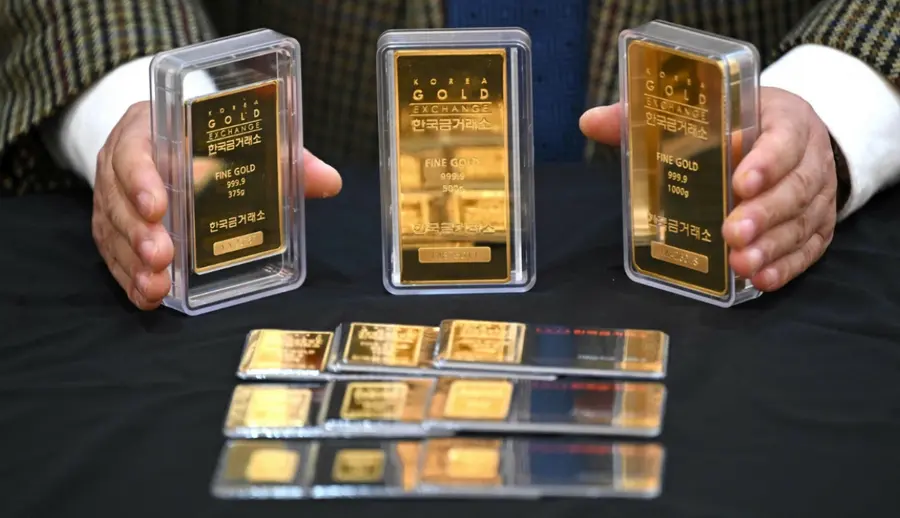
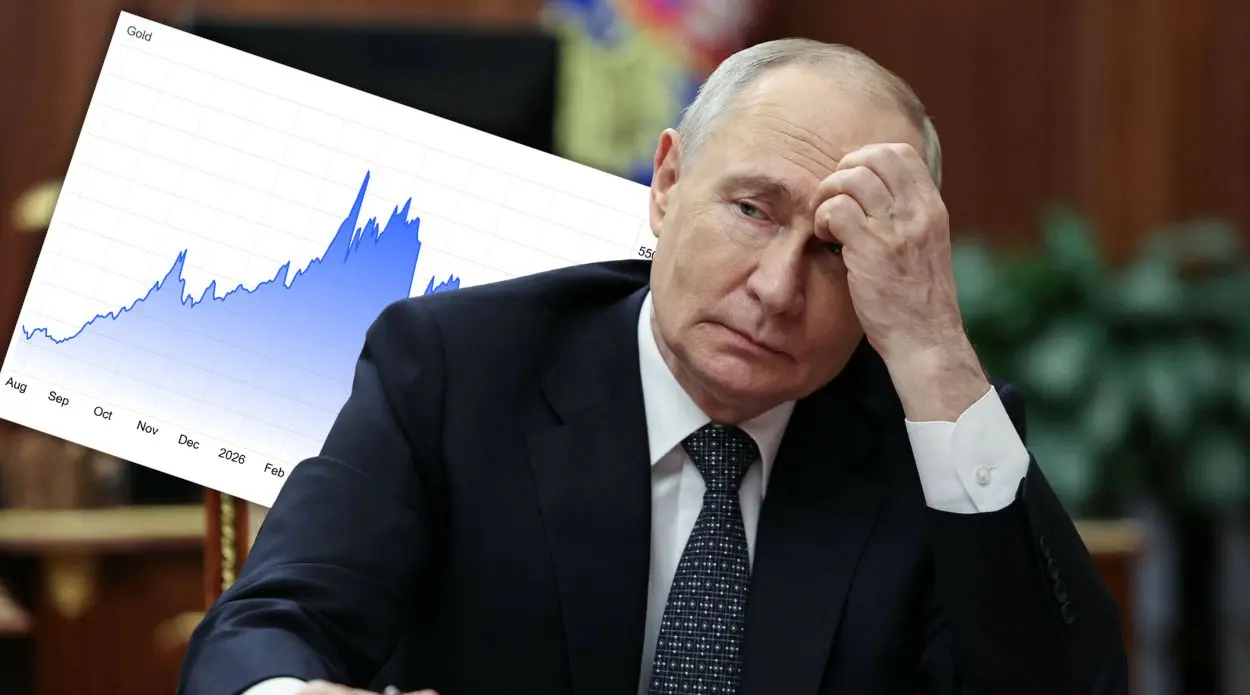
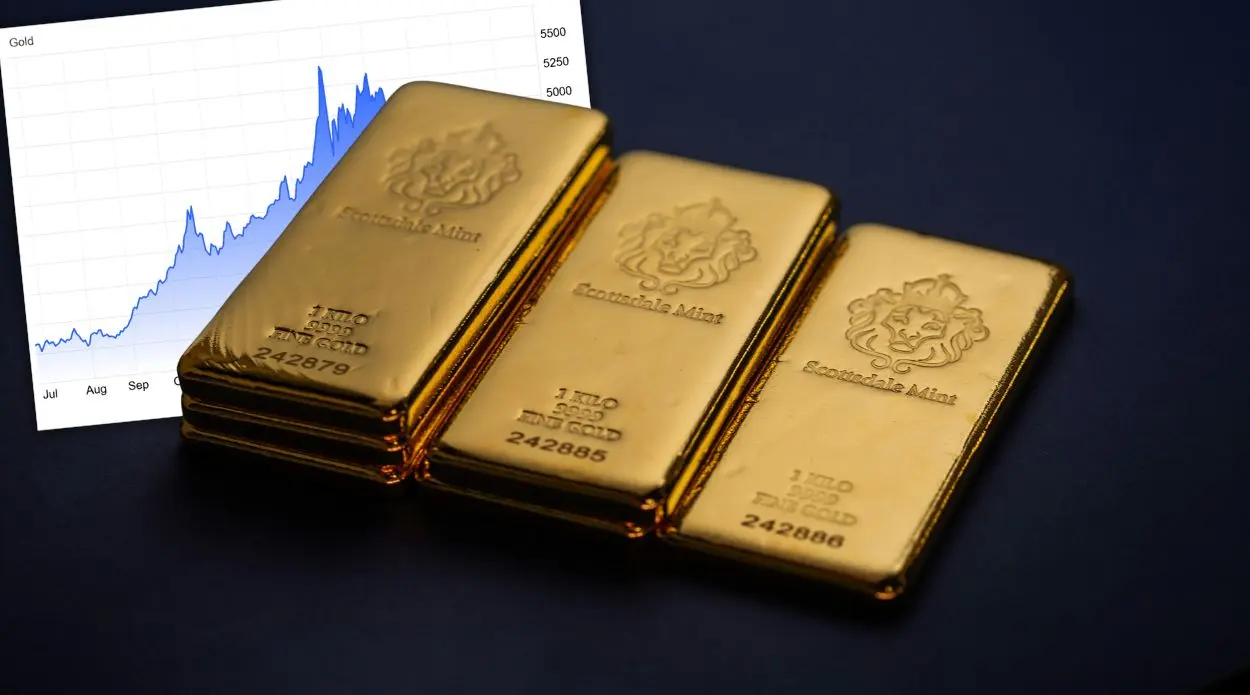
The reality, however, presented a different scenario, as from the start of the war the gold price plunged about 12%.
Does this mean that gold has lost its eternal strength? None of those things.
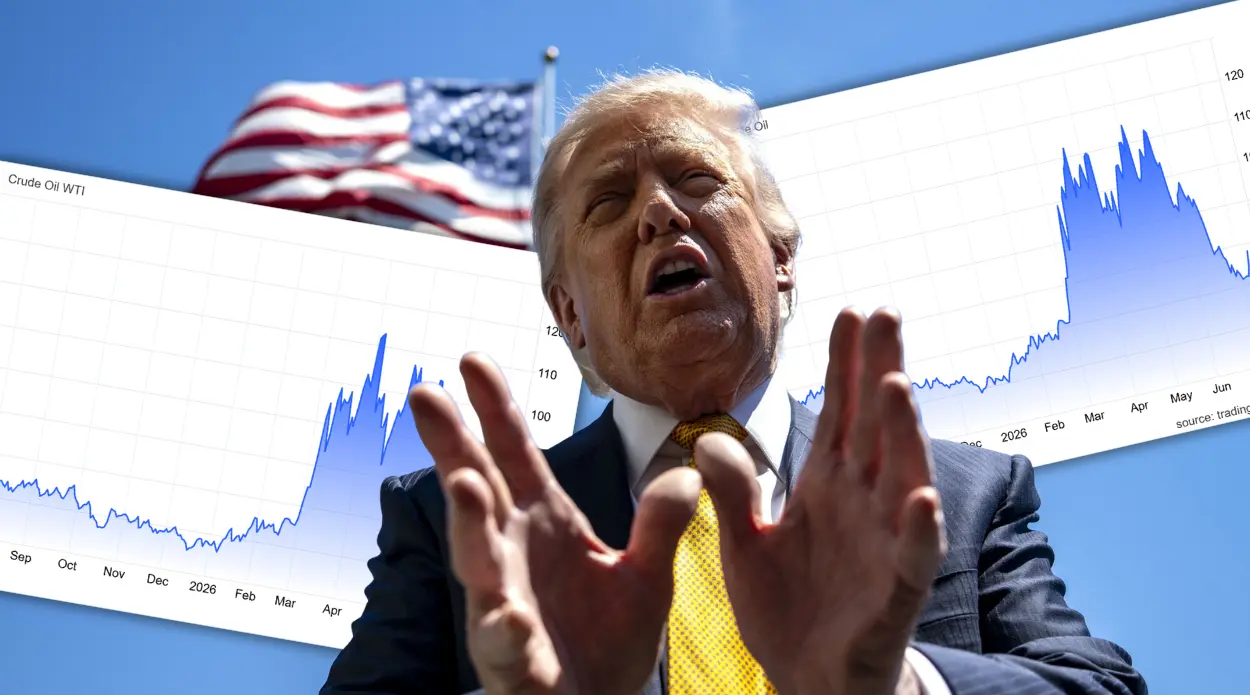
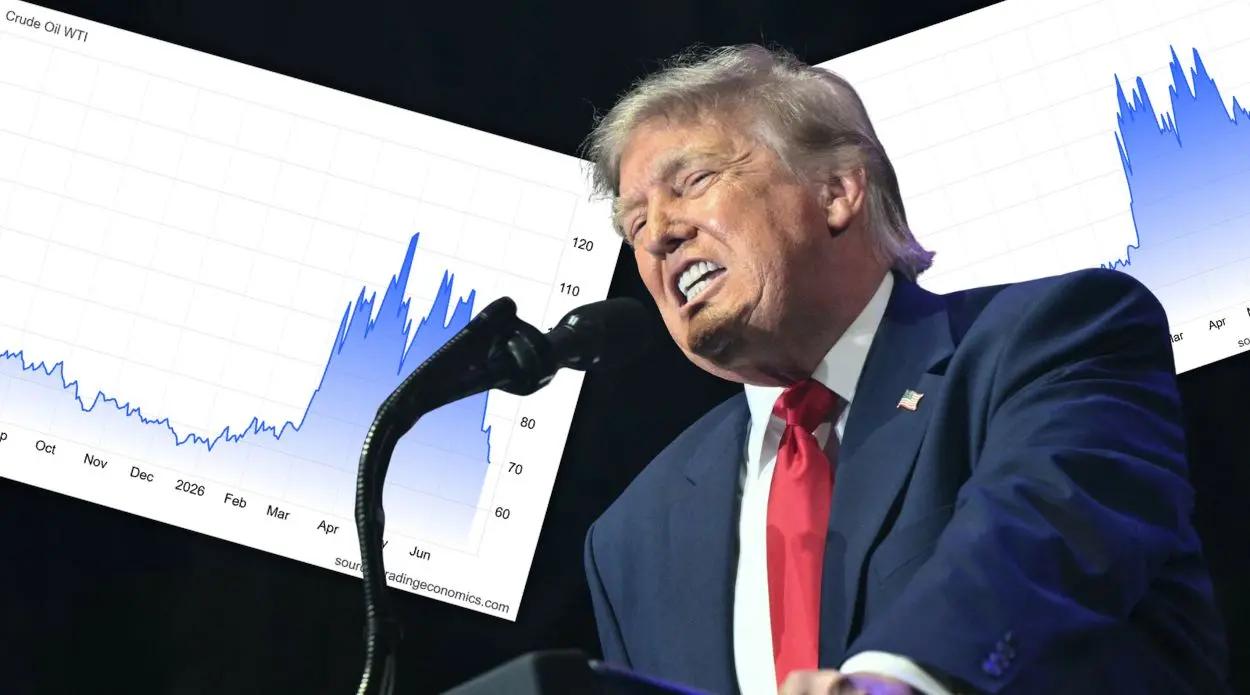
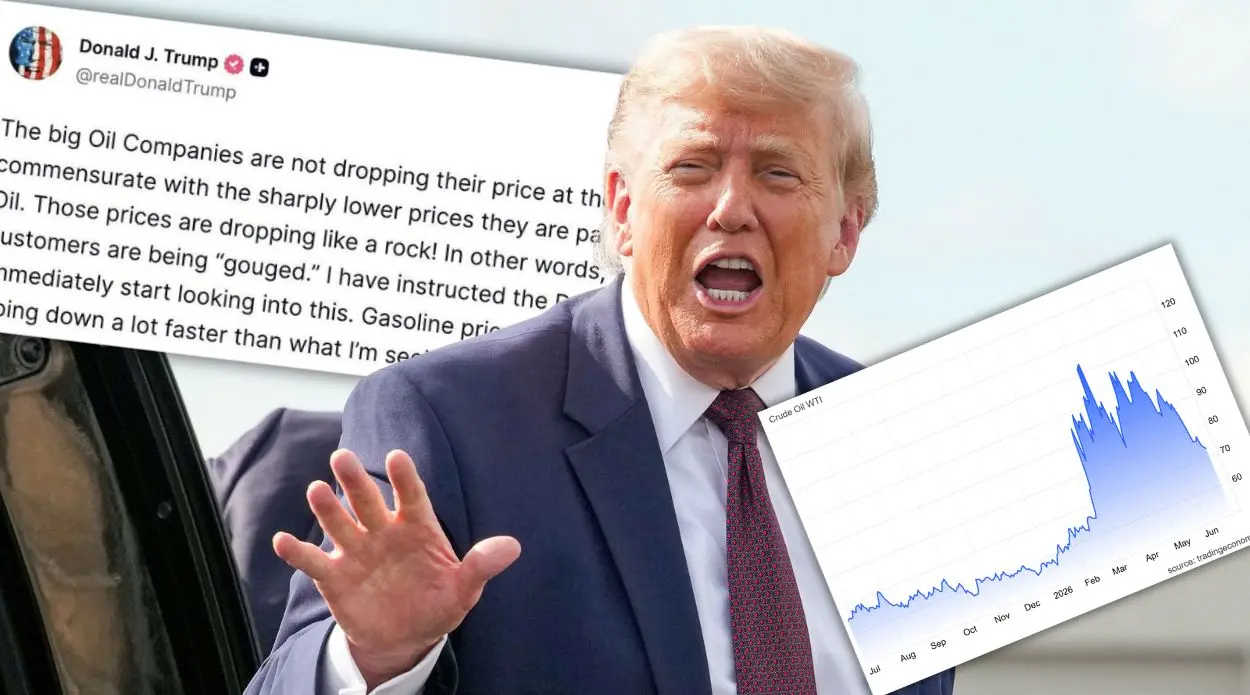
In this case we are dealing with a classic supply shock in the energy market that changed the rules of the game. When oil rises, inflation rises, forcing central banks to keep interest rates “higher for longer.” In such a scenario real bond yields rise, and the USD becomes aggressive, which is a traditional brake for gold.
Read also: Suspicious oil market transactions. The insiders earned billions of dollars. “A terrifying example of market manipulation.”
A very similar mechanism was seen in 2022 after Russia’s invasion of Ukraine. After a brief rally, gold fell under pressure as the market began to price in the inflationary effects of high energy costs. The same dynamic is repeating now, but at a much faster pace.
Another factor is high liquidity of gold. In moments of market panic investors often sell the metal to cover losses on other, riskier positions. This is not a weakness of fundamentals, but brutal portfolio math.
The spot gold price on Thursday, May 14 rose by 0.25% to $4,699 per ounce, increasingly moving away from recent records.
Chart. Spot gold price (XAU/USD)

Source: Trading Economics.
See also: Gold fell 12%, will there be further discount soon? Expert: “With possible de-escalation there is a chance to recover losses.”
Fed, Trump and inflationary blackmail
Washington’s mood is far from peaceful.
Jerome Powell nearing the end of his term as Fed Chair remains far‑cautious. Keeping rates unchanged in April was not a surprise. R
The labor market remains strong, with April adding jobs for the second month in a row, and unemployment staying at 4,3%. For the Fed this is a clear signal that there is no rush to cut rates.
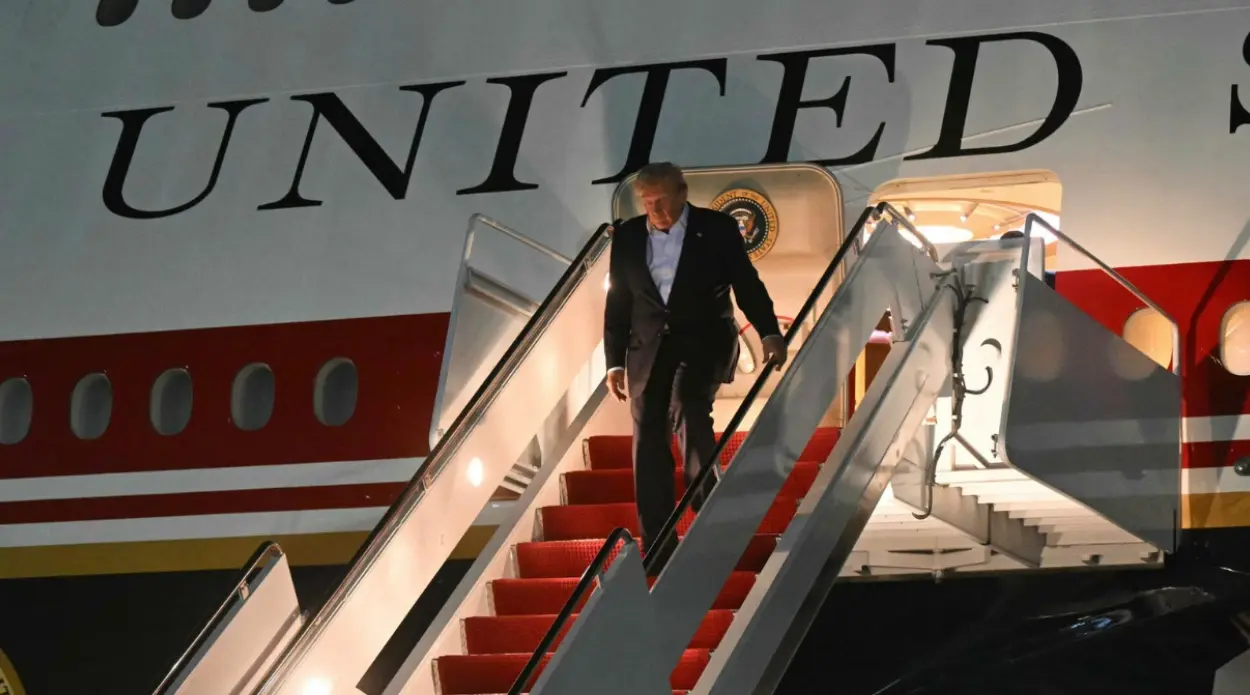
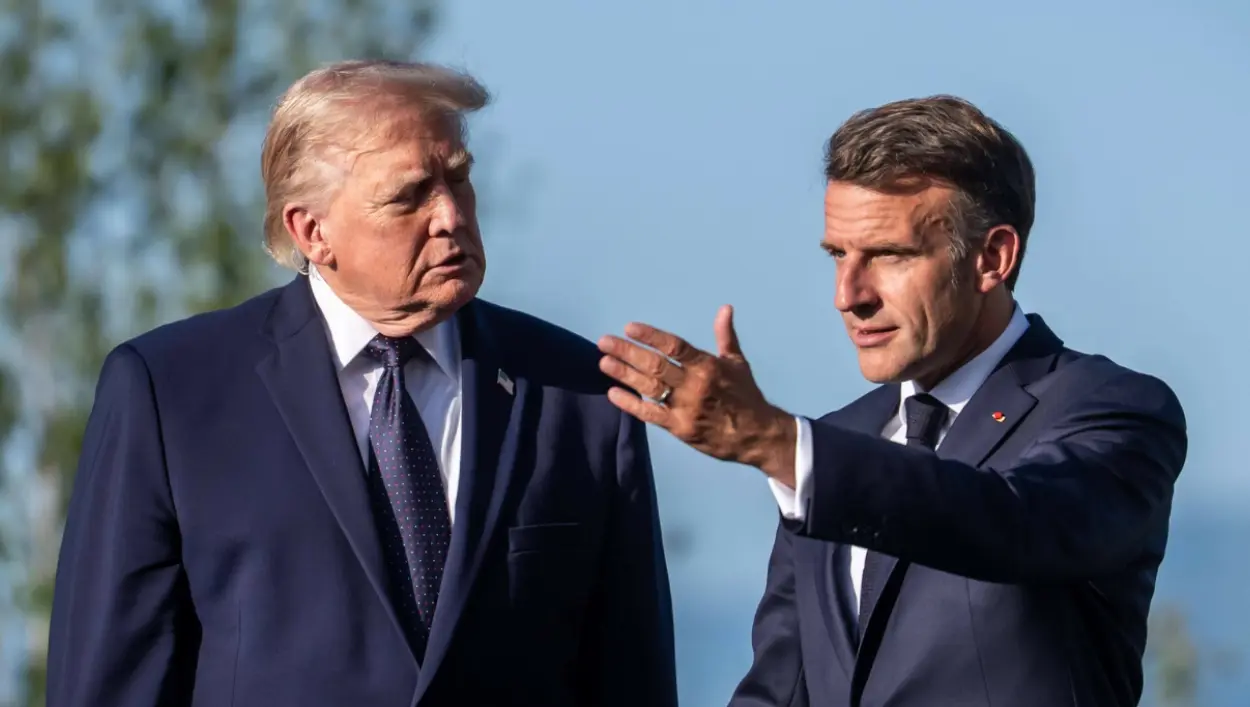
Oil is still being fed into the fire by geopolitics. Donald Trump rejected Iran’s latest peace proposal as “completely unacceptable,” freezing hopes for a truce and maintaining the inflationary risk premium.
The situation in the Strait of Hormuz drives the metal’s valuation. The longer uncertainty lasts, the stronger the USD remains.
Note that this week Powell’s term ends, and yesterday Kevin Warsh’s candidacy was officially approved by the Senate, adding another layer of uncertainty about the central bank’s independence in the near future.
Recent CPI data also do not inspire optimism, as inflation accelerated to 3,8%, versus 3,3% last month.
The consensus had expected a rise to 3,7%.

Source: Trading Economics.
See also: Gold unstoppable? Expert: “Gold could just as well reach $7,000 or $10,000 per ounce.”
Iron reserves of the NBP. Poland remains a leader
Despite market turbulence, central banks remain a concrete foundation of gold demand.
China returned to purchases in April, buying 8,1 tons of gold. This is their fifteenth consecutive month of purchases, pushing Chinese gold reserves to about 2,305 tons.
Interestingly, global central banks became net sellers in March (mainly due to Turkey, which liquidated 60 tons of gold to support lira liquidity), but the long‑term trend remains upward. In Q1 net purchases were 27 tons, led by Uzbekistan and Poland.
The National Bank of Poland has become one of the most aggressive players in the market. In Q1 the NBP increased its holdings by 31 tons, reaching 582 tons. Despite earlier suggestions by Adam Glapiński of a possible sale of part of the assets, the bank’s actions indicate determination to reach the goal of 700 tons.
Where does this rally come from? Many point to the possibility that gold could again reach $5,000 per ounce by year‑end. The key to such a scenario will be calming the energy market and the Fed returning to a path of cuts in the second half of the year.
Gold has not stopped being a safe haven, in the current cycle it must first survive a clash with the powerful USD before it can rise again to new ATH levels.
Chart. Gold purchases by individual countries.

Source: ING Research.
See also: Has the rally ended? Gold and silver prices may disappoint investors.
Source: ING Think.