The United States Central Command (CENTCOM) declared that none of their navy ships were hit. At the same time, according to the United Arab Emirates (UAE) authorities, ballistic missiles and drones launched by Tehran were intercepted.
“U.S. Armed Forces are conducting two separate operations”
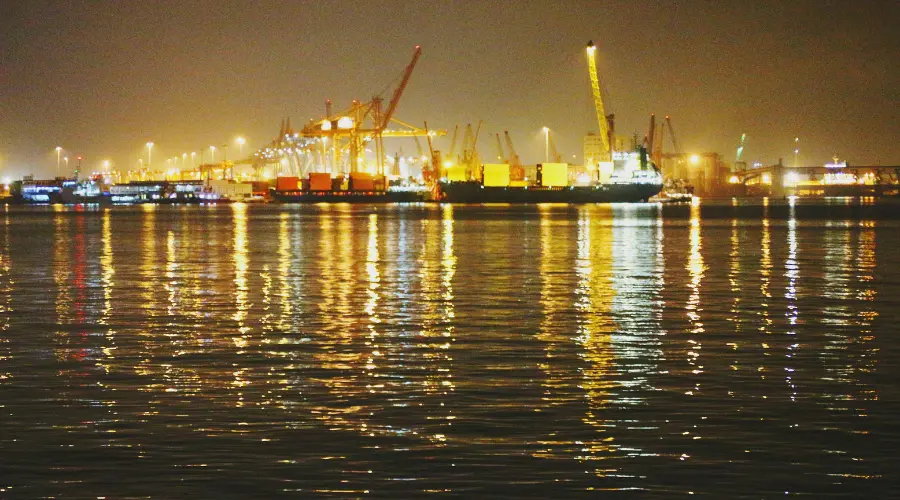
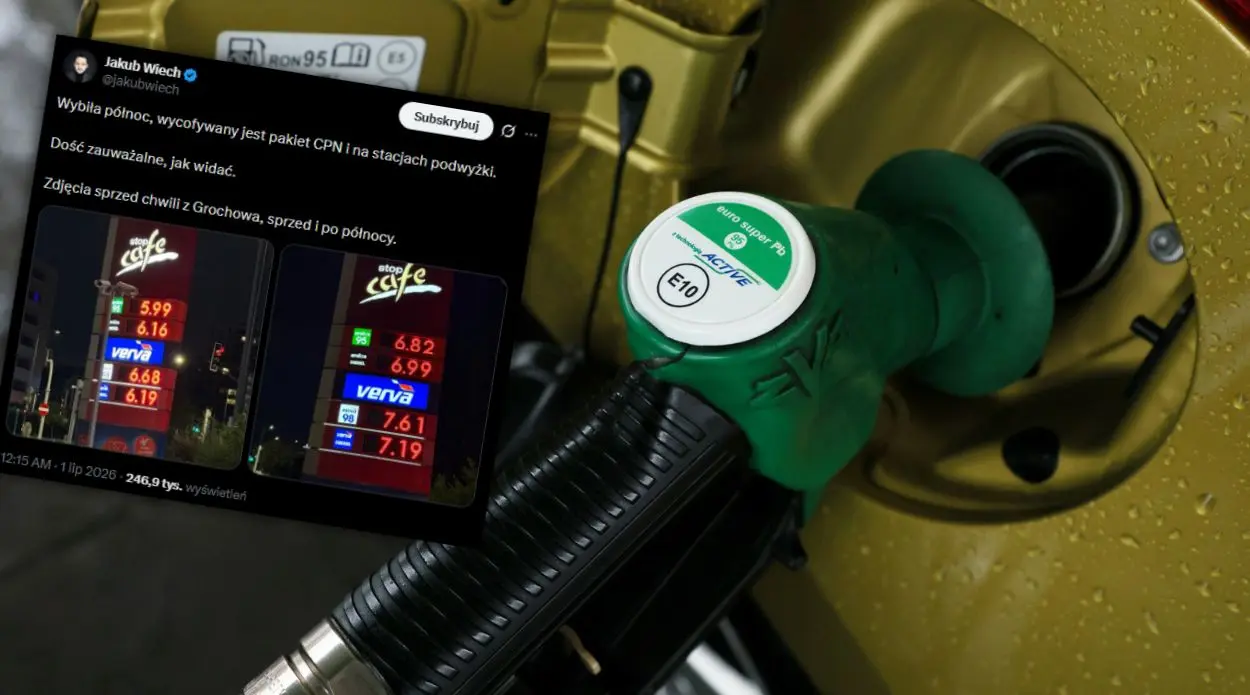
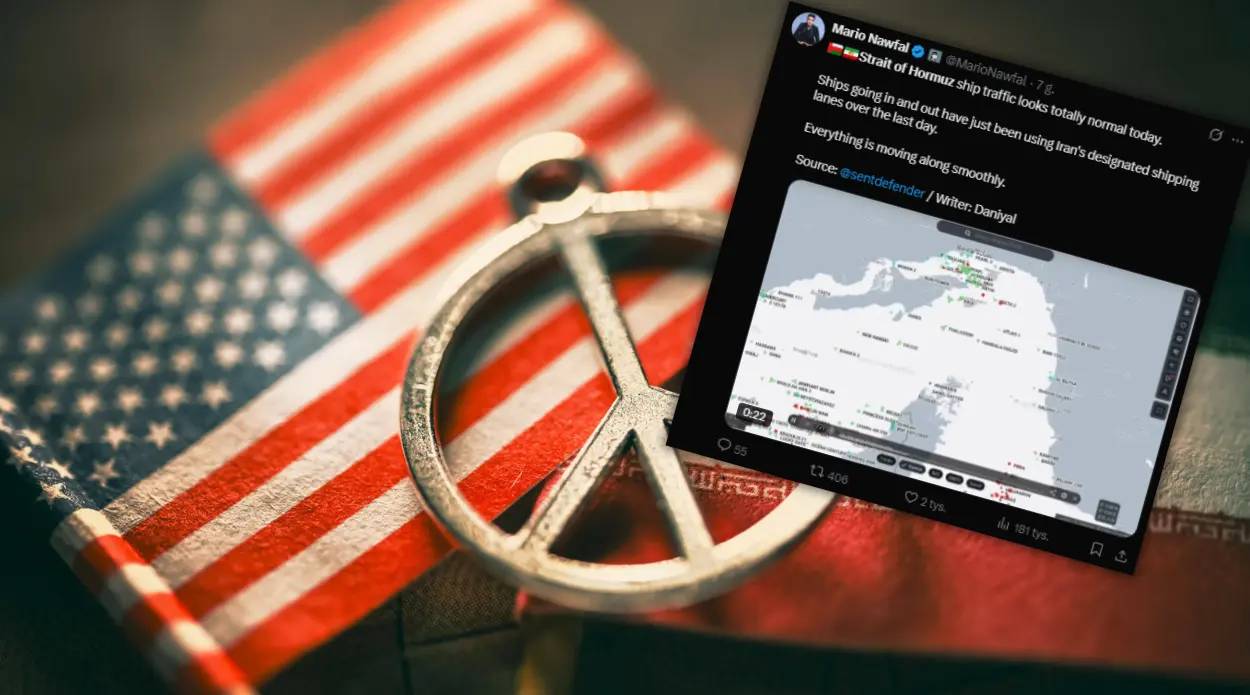
Additionally, a fire broke out at an oil complex in Fujairah (UAE) after an attack carried out by the Islamic Republic (Reuters, here). In reference to yesterday’s events in the Gulf in the evening (around 18:00 Polish time) a teleconference with the media took place, in which adm. Brad Cooper, CENTCOM commander, participated. He stated that the U.S. Armed Forces are currently conducting two separate operations in two different waters. First, it is enforcing a blockade in the Oman Gulf (no trade to and from Iran).
“Second, we have opened a passage through the Strait of Hormuz to allow free trade flow” – announced adm. Cooper.
In the Q&A section, journalists asked about escorting commercial ships.
“If I can describe it more broadly: escorting a ship is essentially a one‑on‑one relationship. I believe we have a much better defense system, based on many layers, covering ships, helicopters, aircraft, early warning systems, and electronic warfare. It is a much broader protective package than a simple escort, and I have great confidence in it. It has been confirmed in the last few hours” – answered the CENTCOM commander.
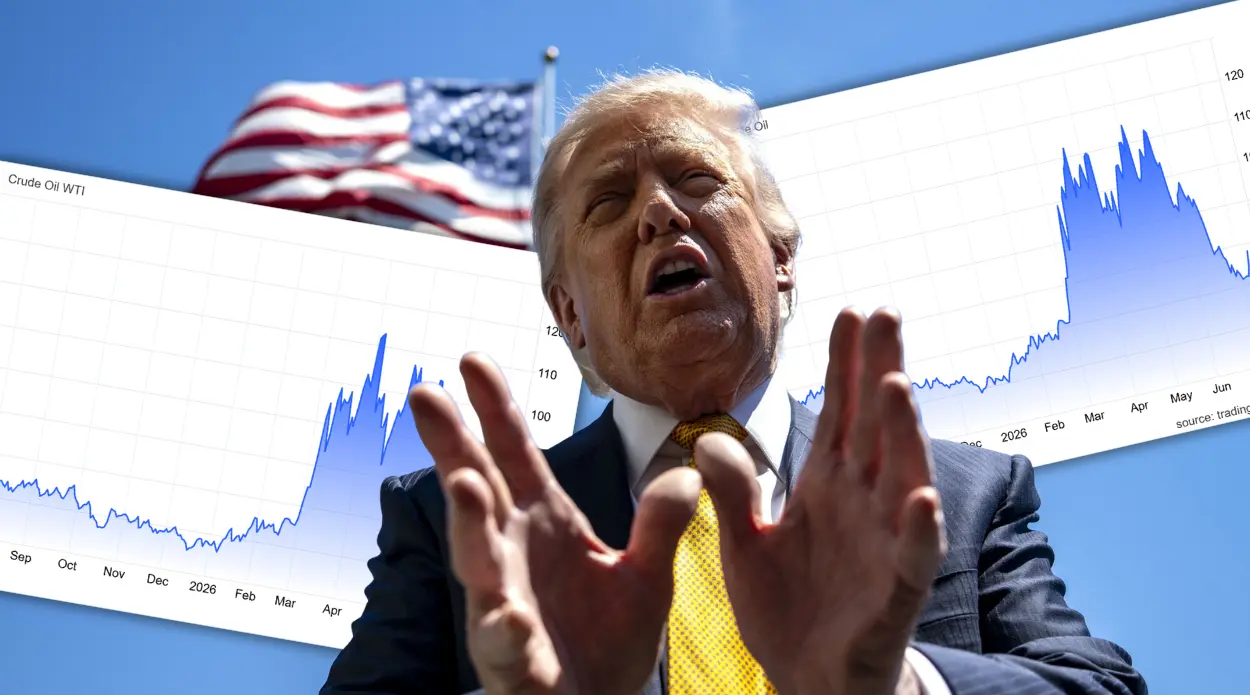
We assess that the market, aside from potential diplomatic settlement opportunities, will now evaluate how effective the operation to open the Strait of Hormuz by the U.S. Navy will be.
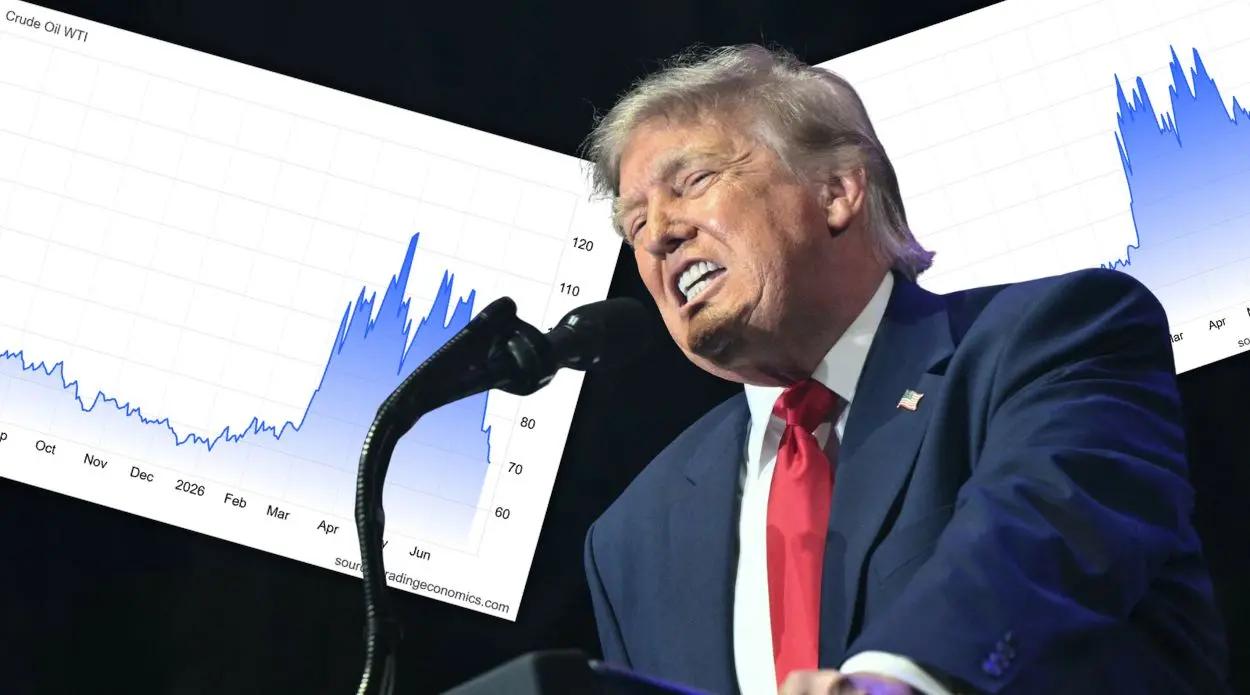
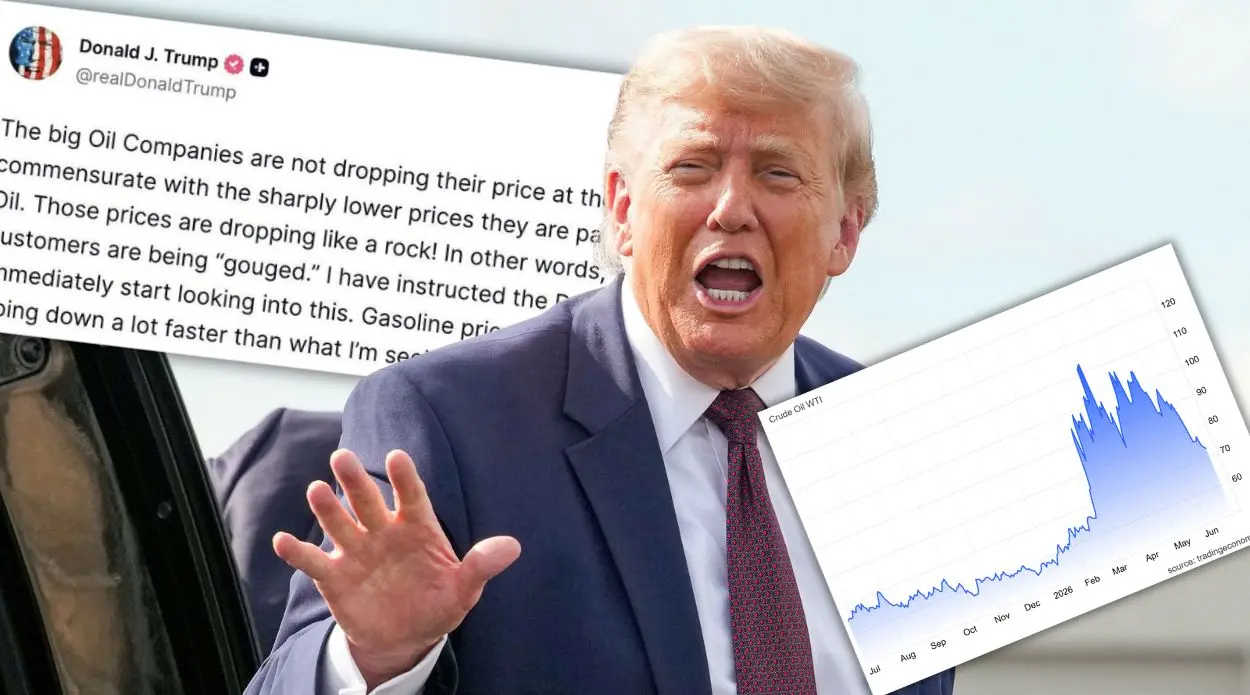
Allowing at least partial shipping through the waterway for tankers could reduce supply tensions in the oil market and reduce the risk of further oil price increases even if the conflict in the Middle East continues formally.
Inflation of production material prices highest since May 2022
The national PMI came without major surprises; the April business activity index in domestic industry fell to a level close to March (48.8 pts. cons. 48.6 pts).
According to S&P Global surveys, demand in the sector remained weak and another month saw a decline in orders. In the next 12 months, sentiment remained positive, although it fell below the long‑term average. At the same time, there was the strongest increase in production material inventories in Polish factories since May 2022, a result of supply chain concerns and shortages related to Middle Eastern events.
Furthermore, according to S&P Global research, production material price inflation continued to accelerate (highest level since May 2022), and the monthly increase in the index was the largest since 2011.
We assess that the increase in industrial metal and energy commodity prices since the beginning of the year, triggered by the Gulf war, negatively affects how enterprises evaluate inflationary processes and current profitability.
On the other hand, tensions are much lower than in the early months of the Ukraine war, and price indices in the report (here) are relatively close to those levels. Therefore, we believe the PMI may overestimate the scale of price threats.