Yesterday we examined business sentiment indices for many major economies worldwide. Optimism in the eurozone fell. In industry the reading was 51.4 points, 0.5 points below expectations. In services we saw a level of 46.4 points, the weakest value in many years.
>> Also read: Dollar forecast for the coming days. Trump sends thousands of troops to Poland. "I am pleased to announce"
In the afternoon we looked at U.S. data. Across the ocean the industrial index performed better, unexpectedly jumping to 55.3 points. This is not only the highest reading in four years, but also 1.3 points higher than forecast. Services performed slightly weaker. Although the reading was 0.1 points below expectations, remember that 50.9 points is still above the 50-point threshold. It separates positive from negative responses. Thus it is clearer that U.S. managers are looking more optimistically at the future than their European colleagues.
What is the market waiting for?
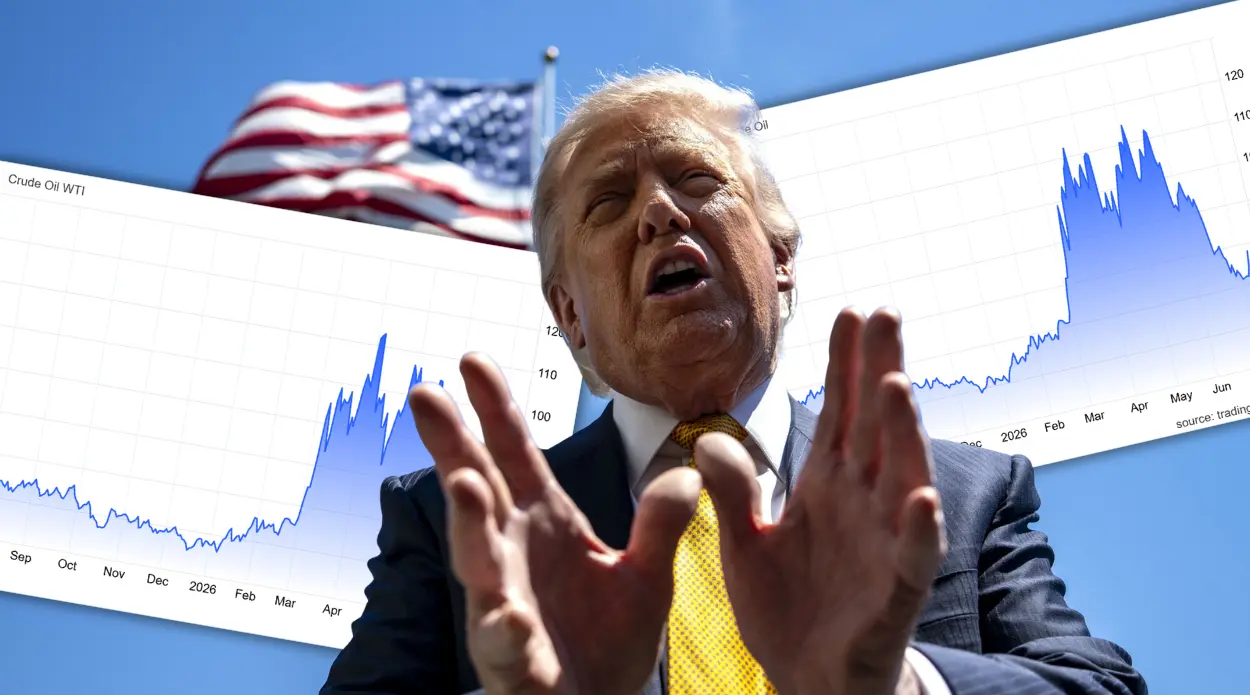
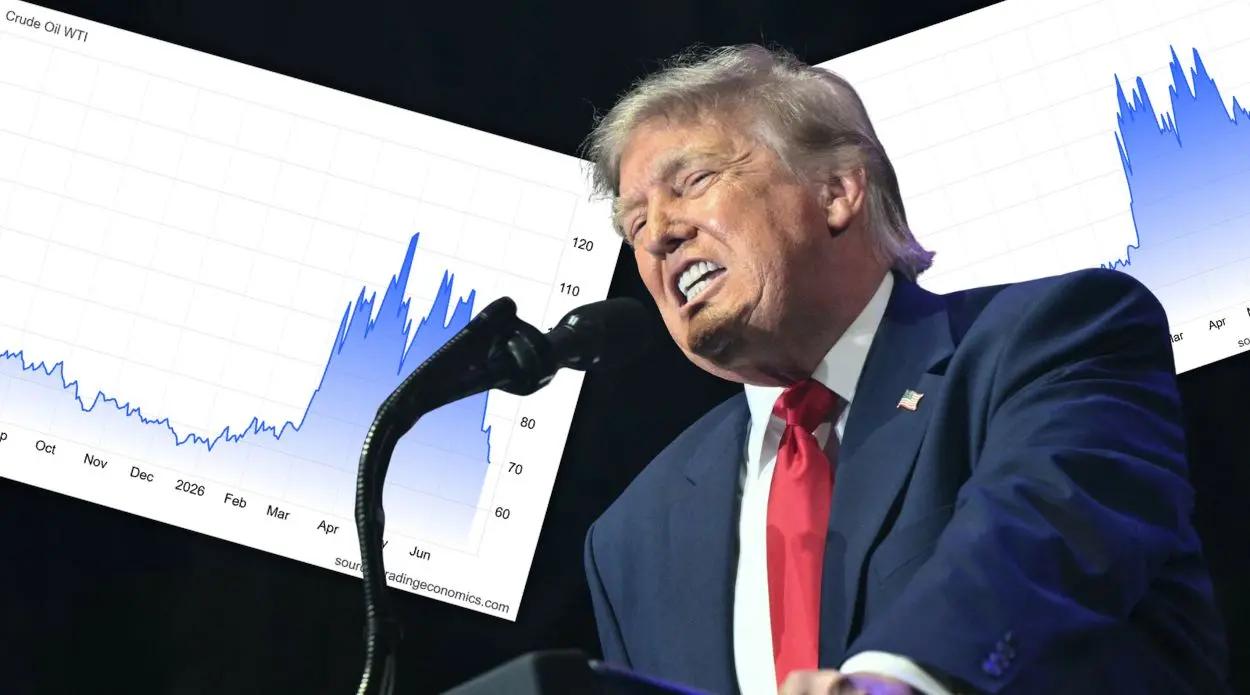
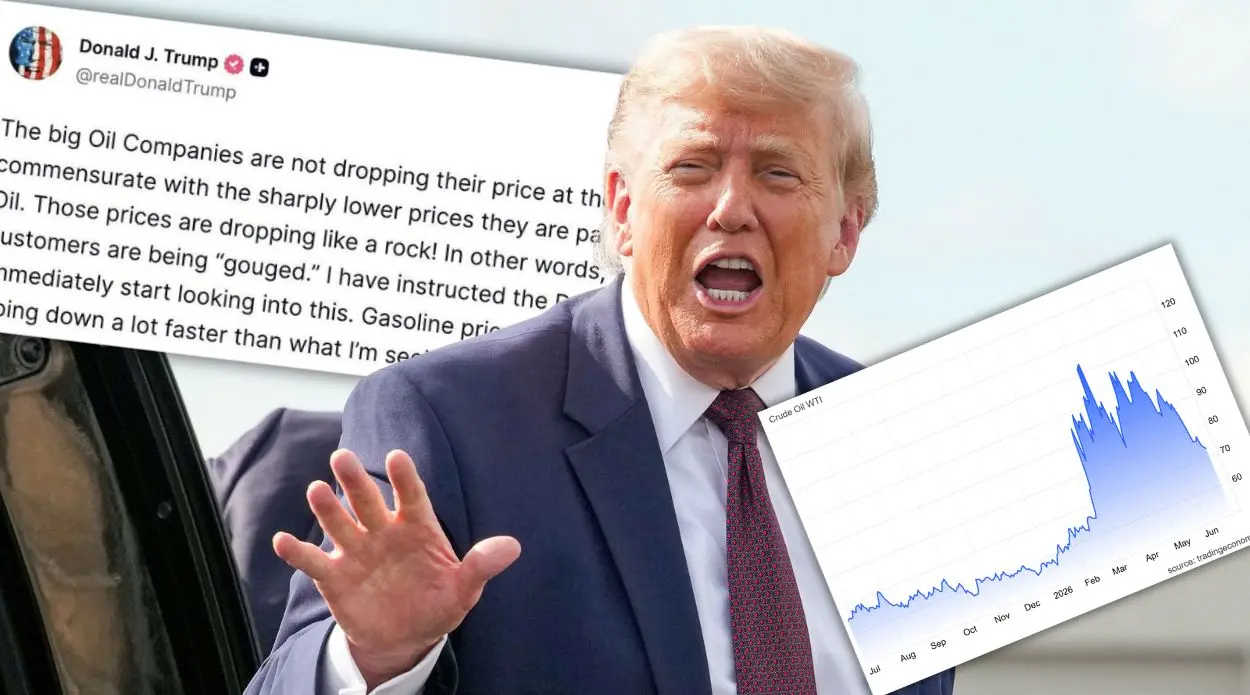
On Tuesday the U.S. presidential administration, under pressure from Arab states, extended the ceasefire in the Persian Gulf for "2-3 days, maybe longer". Such uncertainty could suggest that markets will see panic. It turns out that investors believe this leads to a lasting agreement. The start of the week brought oil prices around 110 USD per barrel. With the rise in optimism the commodity fell briefly to 102 USD yesterday.
Today it is rising again and at the time of writing we are at 105 USD. This shows that optimism is optimism, but holding an open position over the weekend is risky. For that reason the market is now returning to slightly more cautious valuations. Therefore, after yesterday's gains, when the yen reached 4.24 PLN per euro, today we see a rebound in the European currency.
Weaker Australian labor market data
The yesterday's data package began with PMI indices. Business sentiment in Australia turned out weaker than in April both in industry and services. More important readings came a bit later. The unemployment rate unexpectedly jumped from 4.3% to 4.5%. In this context it is not surprising that the change in employment showed a decline, not an increase in the number of workers. It is worth noting that the Australian labor market is highly stratified. On one hand we have many physical professions where workers are lacking. Added to this is political pressure to limit immigration.
On the other hand, in office jobs, with technological progress, transformations are increasing. If we add to that the economy's heavy dependence on resource extraction, we see that the country faces serious changes or serious problems. The Australian dollar clearly lost value after this data.
Today in the macroeconomic calendar there are no major readings.