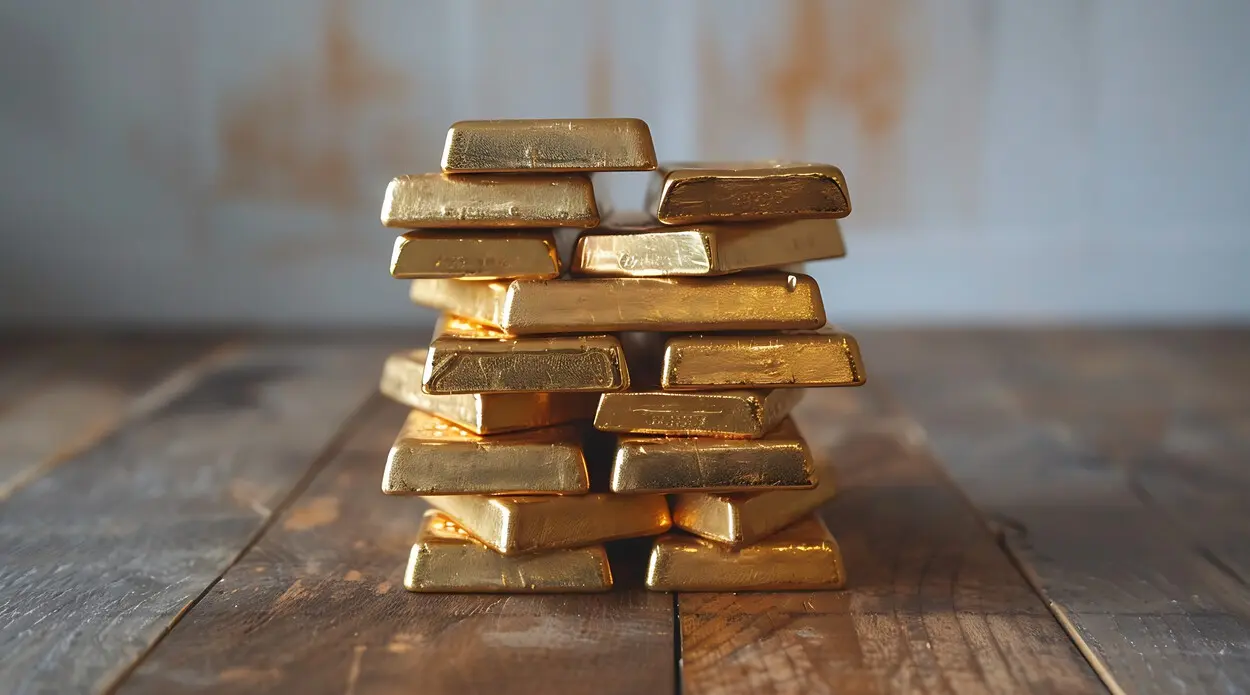
When it comes to gold, price is not the only factor. Equally important are the product’s origin, the seller’s credibility, the possibility of personal pickup, procedural transparency, and subsequent resale liquidity. For a beginner investor, these elements should be the starting point when choosing a purchase location.
Why does buying gold require special caution?
Gold is an asset with high unit value and global liquidity. This feature makes the precious metals market attractive not only to professional dealers but also to entities operating outside the standards of safe trade.
The risk is not limited to counterfeits. An investor may also encounter a shop with no history, an offer without real inventory coverage, unclear information about the manufacturer, or a seller who does not provide post‑transaction support. Prices that deviate significantly from the market should raise particular caution.
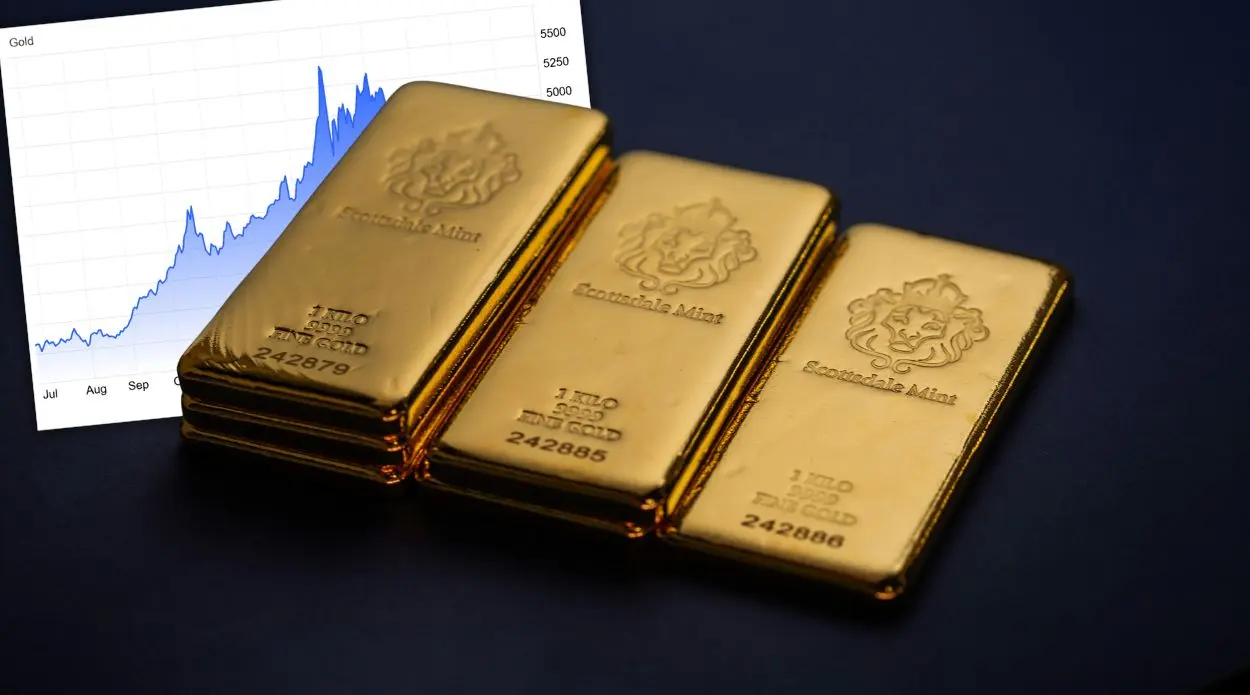
Investment gold is priced relative to global bullion quotes, currency rates, and the seller’s margin. If an offer looks too attractive compared to the market, it’s worth checking what explains the difference.
What should an investor check before buying gold?
A safe purchase starts with verifying the seller. A professional dealer should operate transparently, provide company data, allow contact with an adviser, and clearly inform about product origin.
The most important verification elements are:
- presence of physical branches,
- company history,
- registration data and legal status,
- customer reviews,
- gold origin,
- manufacturers and refineries,
- possibility of personal pickup,
- repurchase terms,
- quality of pre‑ and post‑purchase service.
Physical branches are especially important for larger transactions. They allow you to pick up the product in person, talk to an adviser, and reduce some of the risks associated with buying solely online.
Why does gold origin matter?
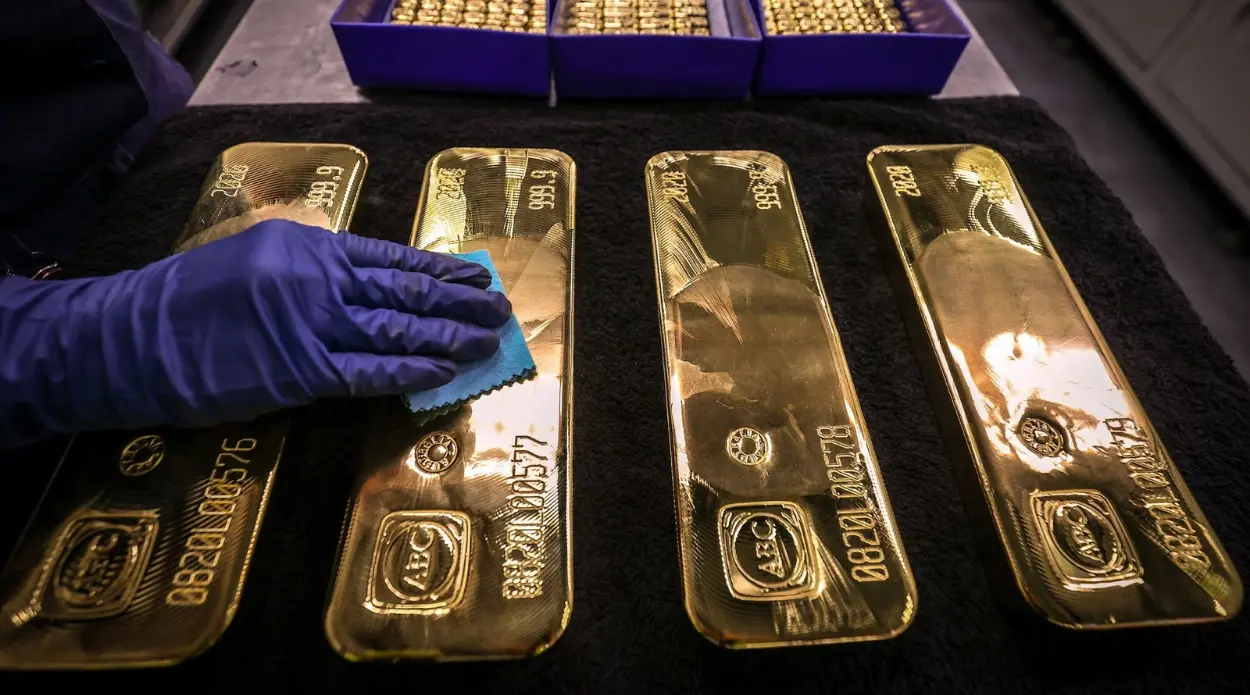
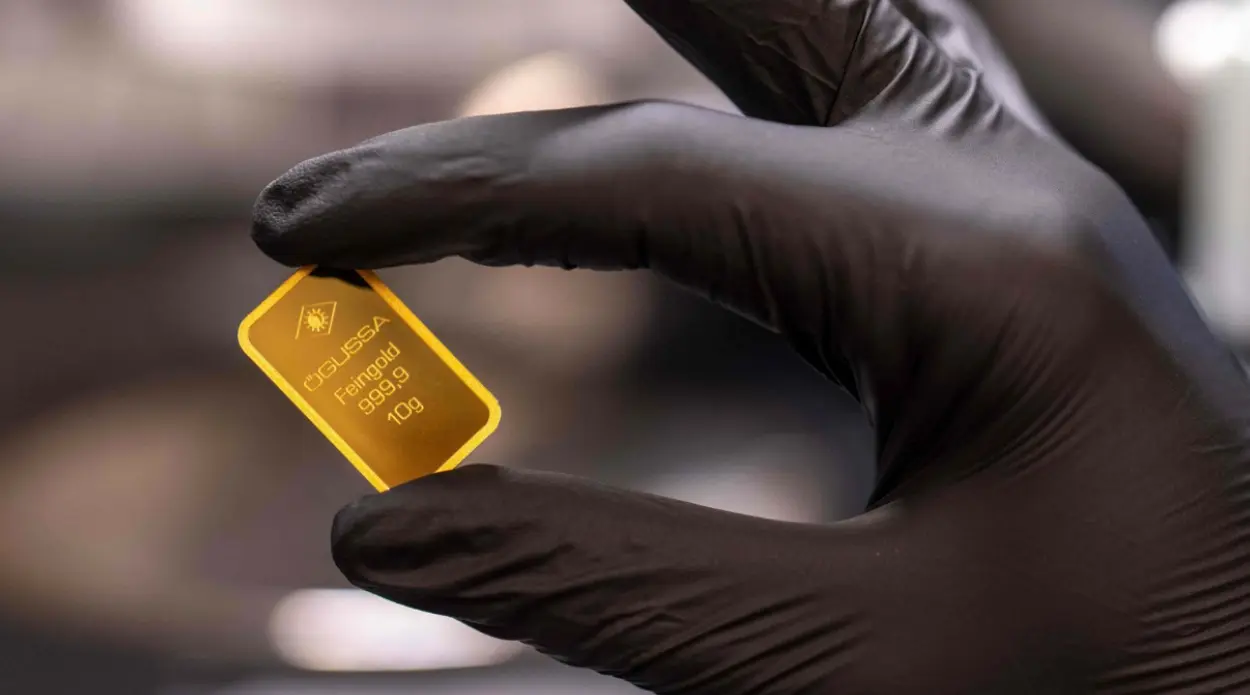
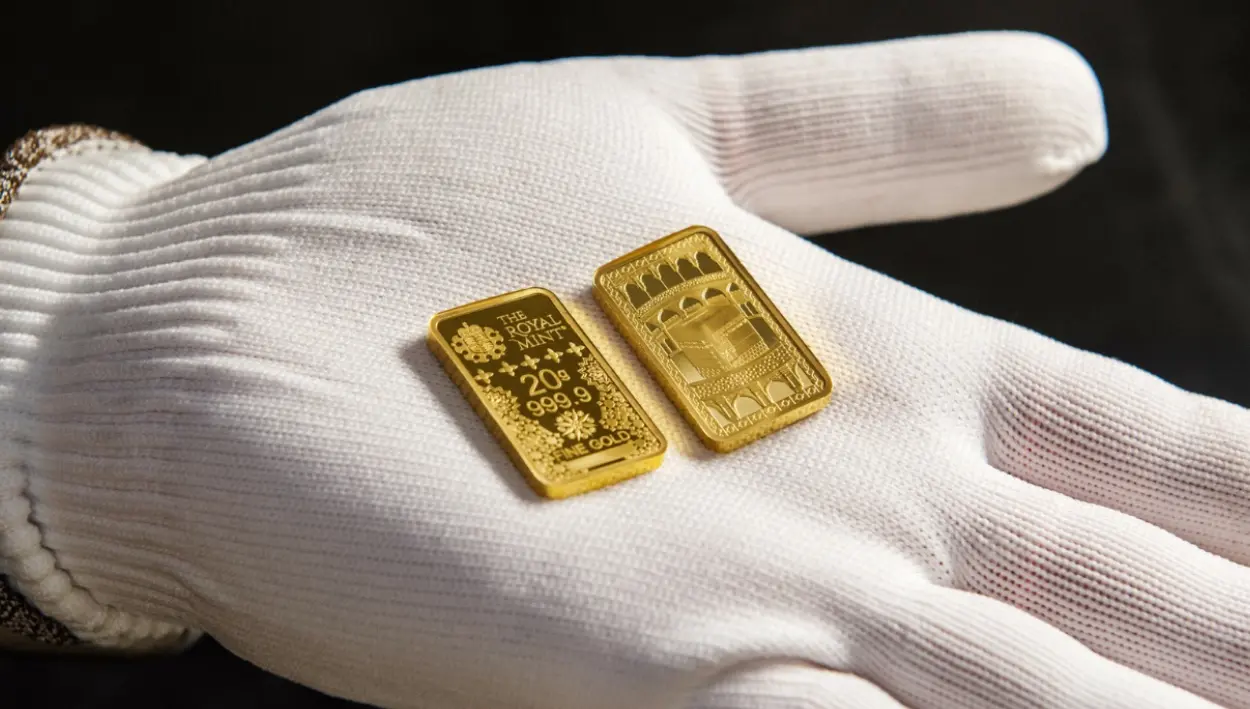
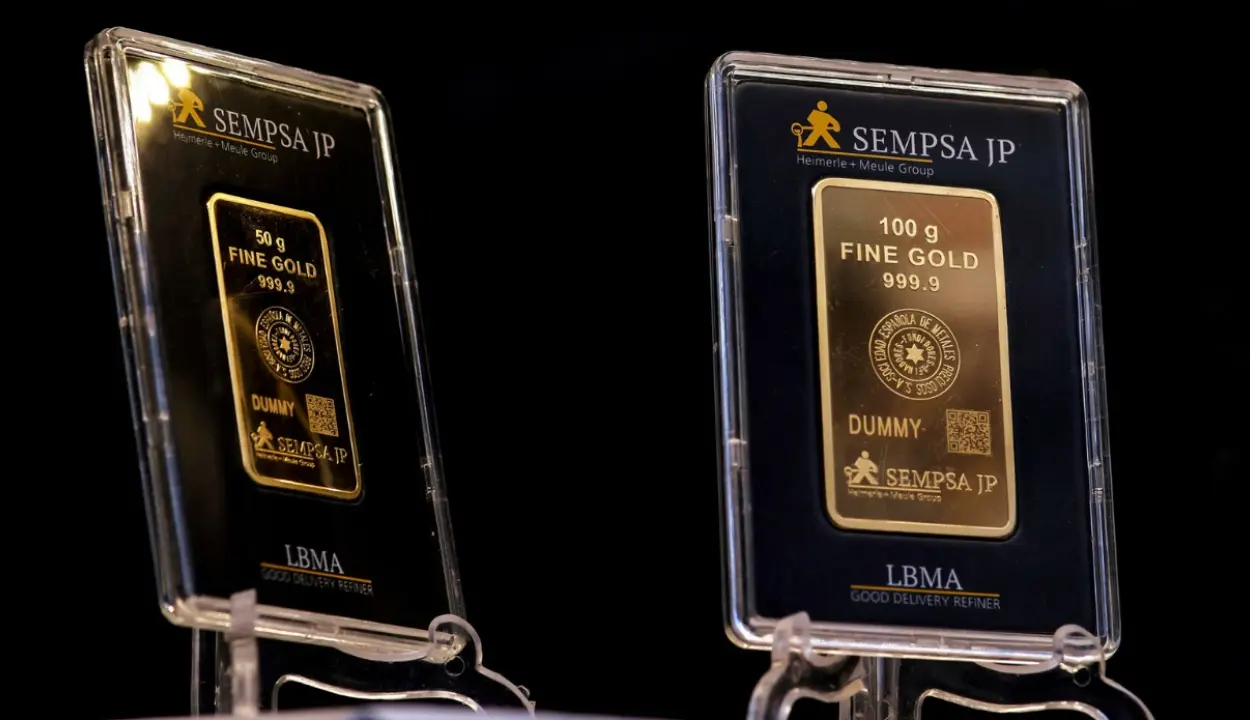
For investment gold, the manufacturer is crucial. Bars and coins from recognized mints and refineries accredited by the LBMA are easier to verify and resell later.
The LBMA, or London Bullion Market Association, is one of the most important standards in the precious metals market. Products from reputable manufacturers are recognizable in international trade, which affects their liquidity and buyer trust.
Mennica Mazovia states on its site that it offers products from well‑known world mints and refineries accredited by the LBMA, including Argor‑Heraeus, PAMP, Perth Mint, and Rand Refinery.
Price should not be the only criterion
Beginner investors often compare offers solely on price. That’s understandable, but in the case of gold, a narrow focus can lead to wrong decisions.
The difference between a safe and a risky purchase is not always visible in the product’s price alone. It also matters whether the seller has physical inventory, whether the product comes from a reliable source, whether it can be picked up in person, and whether it can be resold in transparent conditions in the future.
As Paweł Mazurek, owner of Mennica Mazovia, emphasizes:
“In the investment gold market, the key is not only the product itself but also trust in the place of purchase. An investor should know where the gold comes from, who is responsible for the transaction, and whether they can safely resell the product in a few or several years.”
How to identify a safe purchase location?
A professional gold seller should not exert buying pressure. Good service involves explaining differences between products, presenting available options, and tailoring a solution to the investor’s goal.
Before buying, it’s worth asking about:
- differences between bullion bars and coins,
- product origin,
- certificate or protective packaging,
- product availability,
- possibility of personal pickup,
- repurchase procedure,
- storage method.
This is especially important for the first transaction. A beginner investor does not need to know all market parameters but should have access to reliable advice.
Importance of the seller’s legal status
Verifying the company’s legal status is one of the basic safety elements. Mennica Mazovia states that it is listed in the foreign exchange business register maintained by the NBP, which strengthens transparency and standardises customer service.
For an investor, this means the company operates within defined formal frameworks. In high‑value transactions, this is a key element of building trust.
Mennica Mazovia as an example of a safe purchase model
In the investment gold market, the model combining online sales with the availability of physical branches is increasingly important. This arrangement allows the customer to choose a purchase method suited to their needs: from online transactions to personal pickup at a branch.
Mennica Mazovia operates as a distributor of gold, silver, and platinum in the form of bars and coins. The company lists branches in Warsaw, Łódź, Gdańsk, Katowice, Szczecin, Poznań, Bydgoszcz, and Bielsko‑Biała on its site.
The brand’s communication also includes information about cooperation with well‑known manufacturers such as Argor‑Heraeus, C.Hafner, Münze Österreich, PAMP, Perth Mint, Rand Refinery, and Valcambi.
Purchase safety starts before the transaction
Buying investment gold should not be a decision made under pressure, advertising, or a short‑term price opportunity. It is a transaction where transparency, product origin, and future turnover are paramount.
A well‑chosen investment gold can serve as a long‑term hedge for part of the wealth. The condition is, however, that it is bought in a place that ensures product credibility, transparent procedures, and real customer support.
In practice, a safe gold purchase starts not with the question “where is it cheapest?” but with the question: “to whom am I entrusting the transaction, and can I trust this place in the future?”