The day’s economic calendar includes the May ESI indicators measuring the business cycle in EU countries, including Poland. It also features a set of US data comprising the second estimate of Q1 GDP growth, personal consumption expenditures and income figures, and an estimate of PCE inflation for April.
Business cycle indicators in Polish industry

Nighttime escalation pushes oil prices down, zloty remains steady
Wednesday’s markets were marked by conflicting reports on the progress of the planned US‑Iran agreement. The US’s denial of Iranian side reports of progress did not trigger a significant negative reaction.
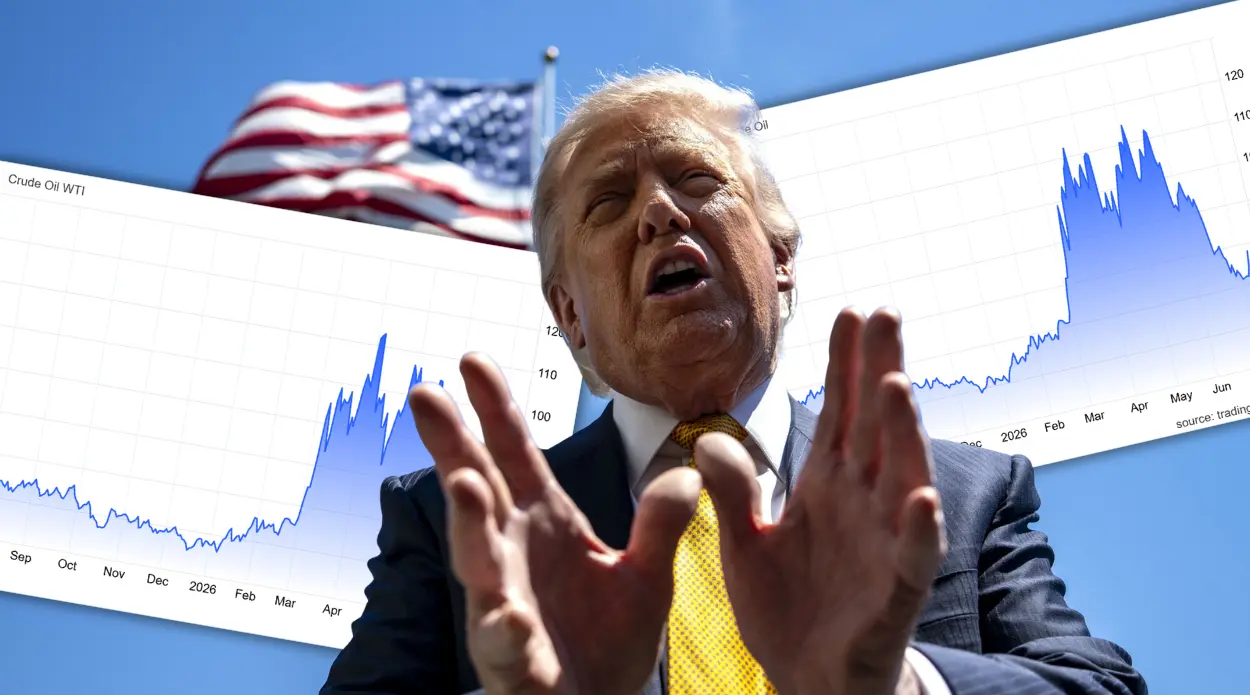
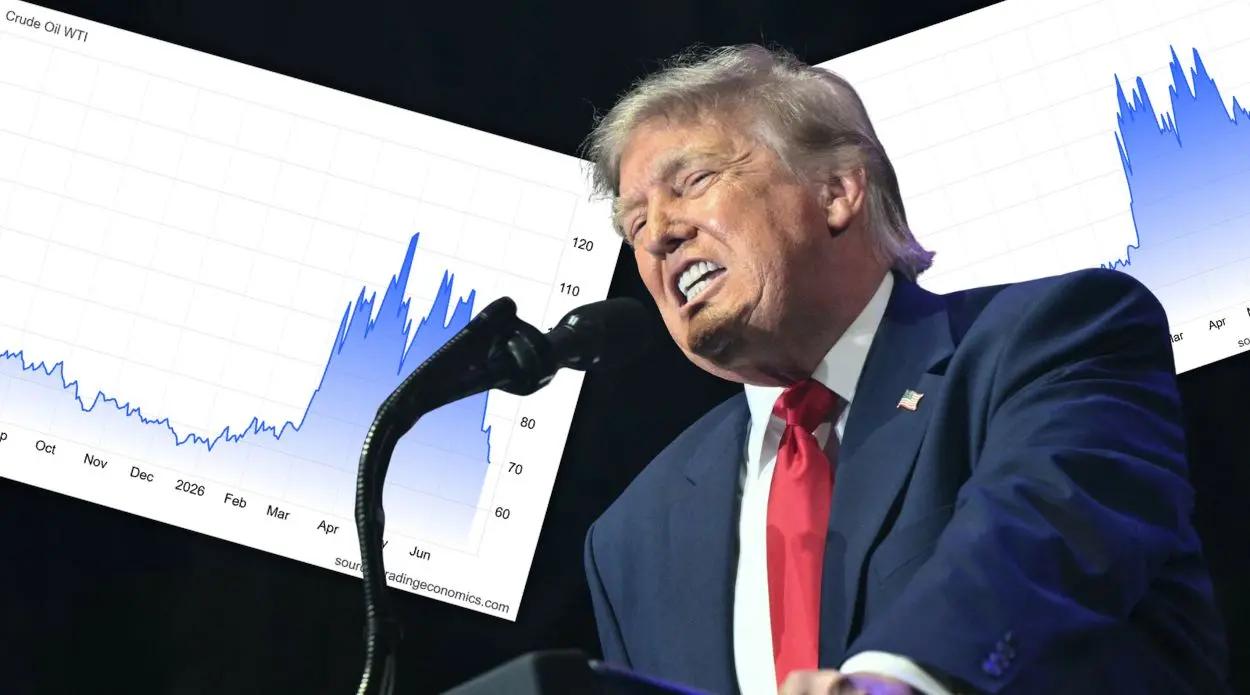
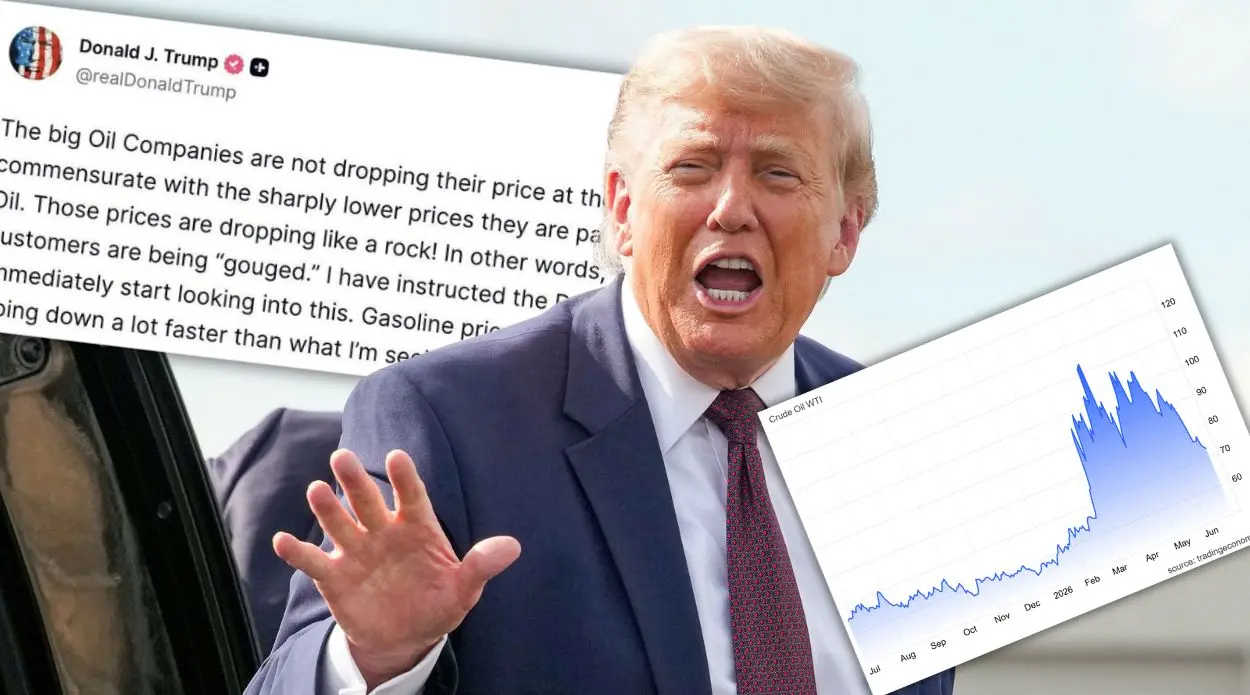
Brent oil, after several directional swings during the day, ultimately settled near $93 per barrel, clearly below the close of the previous day (around $96‑97).
Last night, however, new incidents occurred on the conflict front – the US attacked an Iranian military site, while Iran fired at several vessels transiting the Strait of Hormuz. As a result, oil prices this morning returned to Tuesday levels, as did European TTF gas prices.
EURUSD moved yesterday in a similar range to Tuesday, around 1.164, but the day ended with a quick strengthening of the dollar. For the zloty, market uncertainty only produced a failed attempt for EURPLN to break above 4.24.
Information about the planned next‑week payout of another tranche of funds to the Polish government under the KPO may have had a stabilising effect on the zloty.
The debt market was also stable despite the new bond issuance. The Ministry of Finance sold bonds worth 10.3 billion PLN in yesterday’s auction, with demand of 12.7 billion PLN.
Demand was concentrated on 5‑ and 10‑year fixed‑coupon securities (their total sales exceeded 7 billion PLN). In Germany, the day was marked by a gradual rise in 10‑year yields, while in the US they were lower than on Tuesday.