Gas prices down
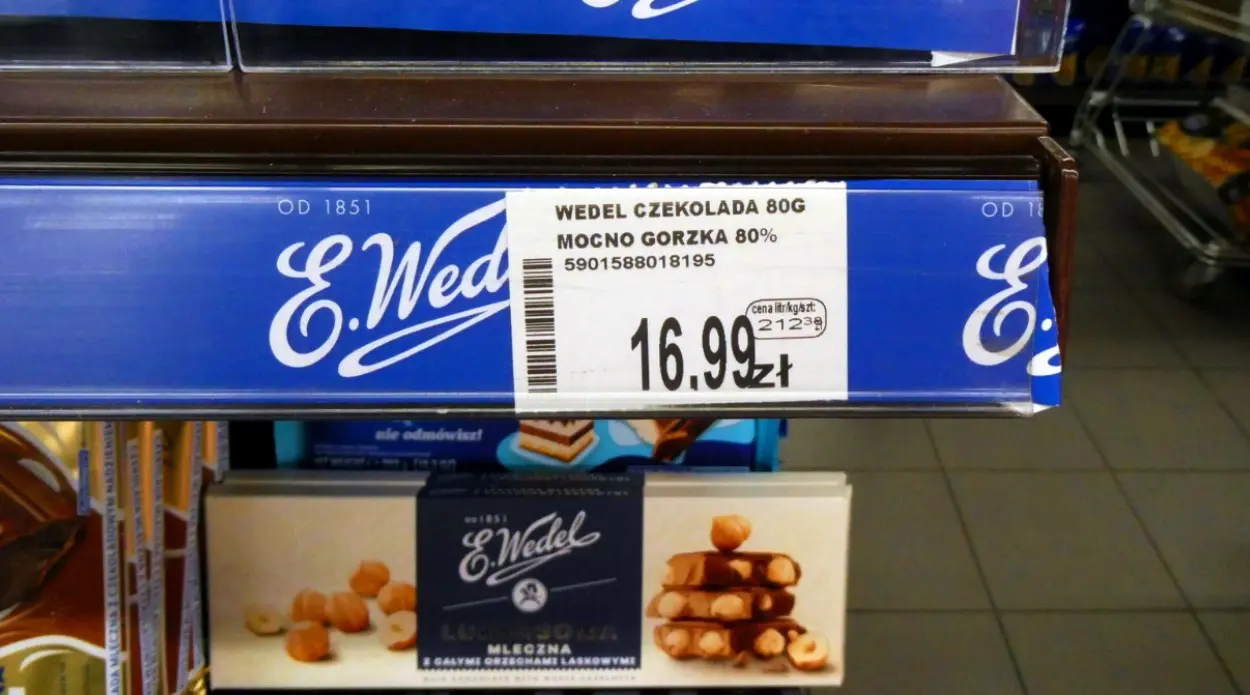
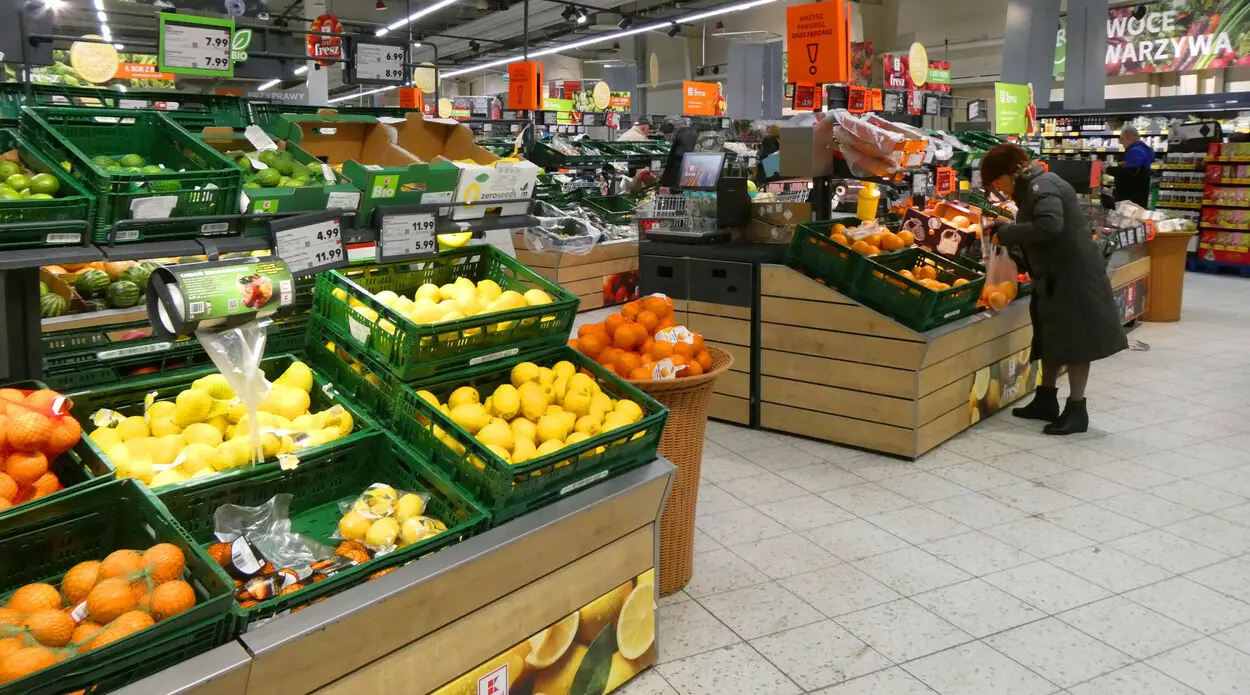
Food and energy carriers remained stable (0.0% month-over-month). The lack of food price increases is partly due to falling dairy and vegetable prices compared to February. In the case of energy, it is worth noting the decline in gas prices.
The first weeks of the conflict in the Middle East did not translate into broader pressure on price increases, except for fuels and directly related services such as air transport. Core inflation excluding food and energy prices likely rose from 2.5% year-over-year in February to 2.6% year-over-year. Annual inflation in the “recreation, sport and culture” category increased sharply (low base from March 2025).
Coal prices relatively stable
March data reflect the inflationary situation at the start of the energy shock, so we see only the first reaction from the fuel market channel. We do not observe a greater impact of higher fuels on other goods and services prices. The pressure on inflation is reduced by government intervention measures such as tax cuts (VAT and excise) and maximum price (within the Low Fuel Price program).
Besides crude oil, we do not see a high rise in other energy sources. The rise in natural gas prices in markets is moderate, and coal prices remain relatively stable, helped by the ending heating season.
Forecast of further inflation growth in the coming months
Our baseline scenario assumes further inflation growth in the coming months, but on a moderate scale. In the second half of 2026 we expect stabilization around the upper bound of deviations from the National Bank of Poland’s inflation target (2.5%; +/- 1 percentage point).
The realization of such a scenario requires an agreement on the USA-Iran line in the coming weeks and the unlocking of the Strait of Ormuz.
In our assessment, the shock is mainly supply-side at present, and the Monetary Policy Council (MPC) does not need to raise interest rates.
Key for future MPC decisions will be the behavior of core inflation and the possible spillover of inflationary pressure onto goods other than fuels. We expect that by the end of the year the main NBP rate will remain at 3.75%, and the MPC seems more inclined to return to rate cuts than to raise them.