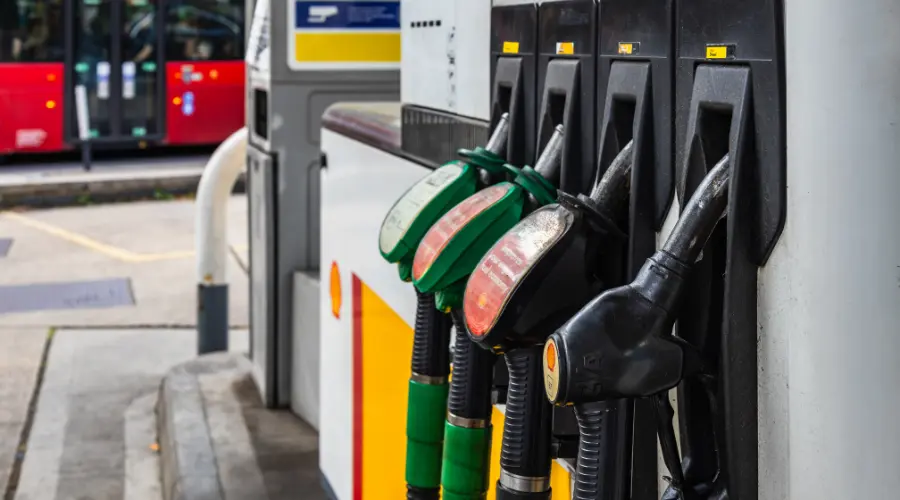
Windfall tax is a law adopted by the Sejm on June 19, 2026, concerning a tax on extraordinary profits from the sale of liquid fuels earned from March to December 2026. The introduction of changes, is the government's response to the fuel crisis, triggered by the outbreak of war in Iran at the end of February 2026. The consequence of the military actions was the blockade of the Strait of Hormuz, which led to a gigantic rise in gasoline prices at service stations.
What did the Senate introduce?
The Senate proposed an amendment to introduce a limit on the amount of tax to be paid.
“A limited income amount set for the purposes of personal or corporate income tax, or for the balance sheet profit in the case of a general partnership” – PAP reports.
On Friday, July 3, 2026, the Sejm agreed to this change by adopting the Senate's amendments. Estimates suggest that the new levy will contribute about 4 billion PLN to the state budget. What will happen to this money? This amount is intended to cover costs related to the implementation of the CPN (Lower Fuel Prices) package, which was in effect from March 31 to June 30, 2026. Thanks to this regulation, the Ministry of Energy kept a lid on maximum retail fuel prices. During the package's duration, VAT on fuel was reduced from 23% to 8%. For most of that time, excise duty was also lowered to the minimum rate allowed by the European Union.
As the legislator indicates, the windfall tax will be set at 60%. The basis for taxation will be the surplus revenue above the amount a taxpayer would achieve using the reference margin. Estimates suggest that the levy will affect about 20-30 companies in Poland.
One of the companies that may be forced to pay the tax is Orlen. In mid-April, we reported on FXMAG that there were suspicions of huge profits the oil giant could have recorded in March. These rumors surfaced after Orlen Group, which monthly published data on model refinery, petrochemical, and differential margins, suddenly stopped doing so. This sparked speculation that the company wanted to conceal extraordinarily high earnings.
Decision in the President's hands
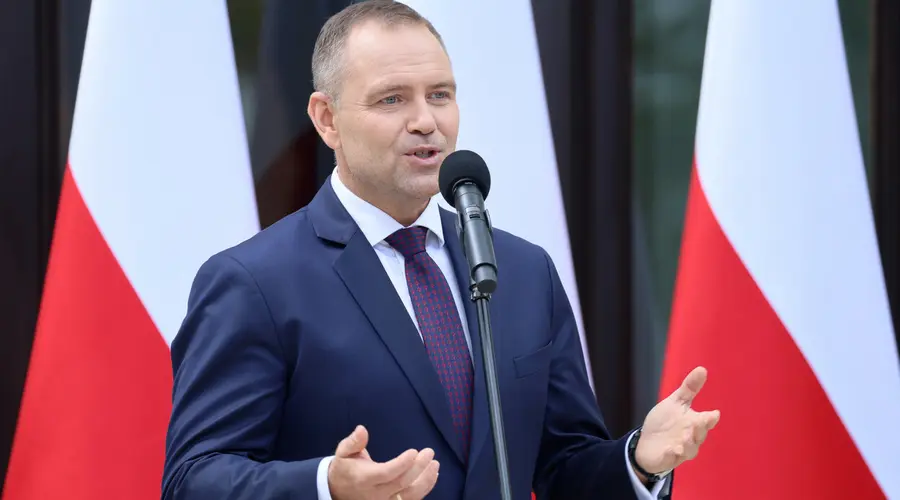
After the Sejm decided to adopt the Senate's amendments (voted by 418 MPs, 8 opposed, none abstained), the law will go to the President's desk. Karol Nawrocki will ultimately decide whether the new tax on extraordinary profits comes into force.
See also: The end of the CPN program. Fuel prices at stations went crazy! Drivers wipe their eyes in astonishment