For many people living in "urban jungles", the countryside seems like a haven of peace. Often living in such a place is a dream for many. Sometimes that dream comes true. What if living in the countryside turns out to be a nightmare?
Disadvantages of the countryside
The countryside is not just peace, pastoral scenes, and relaxation, as many imagine it. It is really a place of hard work carried out by farmers. Work that often takes place for many hours a day, using heavy agricultural equipment. This often creates dust clouds, noise, and other nuisances. This is the normal image of the countryside, to which most of its residents are accustomed. It is different for those who decide to move there and have had no contact with rural life before. It is a place where nighttime quiet is often not respected, and work is even carried out on holidays to take advantage of sunny weather. There are moments throughout the year, such as during harvest, when there is no time to rest.
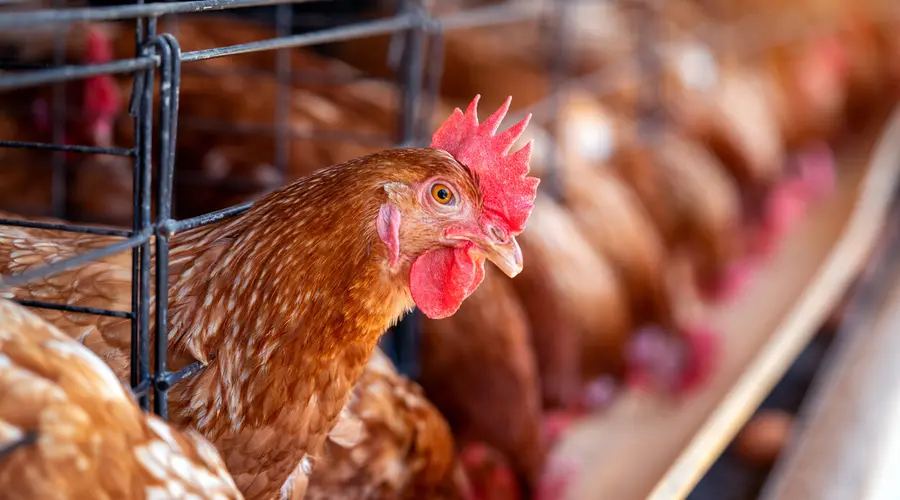
And that’s not all. Farmers are joined by pig and poultry breeders. Not only can this type of activity be annoying due to noise, but also the smell can be unbearable. And of course one can say that the countryside stinks – that’s its charm. Of course, when raising animals, unpleasant odors can occur, but that is nothing compared to a large piggery or a company operating on an industrial scale. While people who decide to live near such an enterprise know what they are signing up for, soon this type of activity may arise in their neighborhood, and all of this is supposed to be legal.
The Ministry of Agriculture is preparing revolutionary regulations
The Ministry of Agriculture and Rural Development is working on a draft law mockingly called "Lex Smród". The regulation the ministry is working on will introduce three significant changes aimed at protecting farmers. The first is a change to the Civil Code that will allow agricultural activity even if it causes excessive nuisance. In plain terms, a farmer’s neighbor will not be able to demand noise reduction or complain about the odor caused by their activity, i.e., the so‑called immission. This means that all nuisances arising from agricultural activity must be accepted by society. The second change is a regulation in the Code of Offences that introduces an exception to the provision concerning disturbance of peace or nighttime quiet. Agricultural activity will be removed from this provision. This means that farmers can use their machines around the clock without fearing legal consequences. The third change, which seems to raise the most controversy, is a requirement that those planning to buy or build a house in the countryside must submit a statement acknowledging the nuisances that may arise from living in an area where agricultural activity is conducted. This is all so that in the future they cannot complain about excessive noise or unpleasant fetor. This change seems to have a “double bottom”. Those who submit such a statement, once the regulations come into force, will not be able to complain about the situation in the countryside, nor block new agricultural or breeding activities that may arise in their neighborhood in the future. This means that even if there is no piggery or poultry farm behind the fence, one cannot be sure that such activity will not be started in the area in the future.
Human rights organizations appeal for reason when introducing these regulations, because as they point out, it may turn out that the protection will cover not only small farmers in Polish villages, but also large enterprises engaged in pig or poultry breeding. In such a case, their neighborhood may become unbearable. And under the new regulations, people who will have to deal with this problem will not be able to assert their rights. It is not only about nuisances related to carrying out such activities in the neighborhood, but also about the loss of value of their property when such a plant is established in the area.
Work on the draft law is still ongoing. Until the end of April, comments could be submitted during public consultations.
See also: Polish farmers can be proud of themselves. In this regard, we lead the EU