According to the recruitment platform TrueUp, this year tech companies have already experienced 363 waves of layoffs, affecting nearly 150,000 people.
Artificial intelligence, the perfect smoke screen
This results in a staggering average of about 974 employees per day – a rate 44% faster than last year. This trend is clearly accelerating. The firm Challanger, Gray & Christmas notes that last month saw the highest number of reductions in two years (nearly 40,000 jobs), and AI was the most frequently cited reason for cuts in every industry.
Does artificial intelligence really eliminate jobs so effectively? Deep skepticism is growing toward such theories. LLMs and machine learning are becoming more of a convenient cover for hiring mistakes made during the pandemic.
The fintech Block example illustrates this perfectly. Jack Dorsey (co‑founder of Twitter) first convinced on platform X that radical layoffs of almost half his staff were the result of new work models. Pressured by internet users, he admitted that the company simply had a huge hiring surplus.
Investor Marc Andreessen called AI a “wonderful excuse” for boards, claiming that most large corporations have a massive employment surplus of 25% to even 75%.
See also: Big Tech financial results. The stock of Amazon, Alphabet, Meta, and Microsoft has surged
The elite swim in luxury while specialists pack up desks
While thousands of qualified specialists hit the street, a narrow group of insiders generates wealth on an unimaginable scale. Chipmaker Cerebras Systems debuted on Nasdaq with a 68% rise above the offering price of 185 USD. This gave the company a market cap of 67 billion USD, and founders Andrew Feldman and Sean Lie overnight amassed fortunes in the billions of USD.
Meanwhile SpaceX reached an astronomical valuation of 2.1 billion USD, making Elon Musk the first billionaire in history. AI stars like Anthropic and OpenAI are also heading to the dance floor with valuations around 1 billion USD.
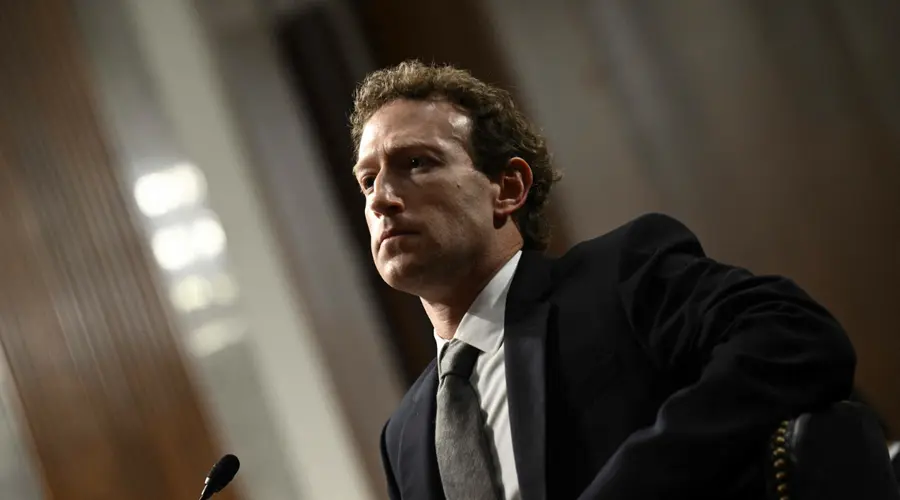
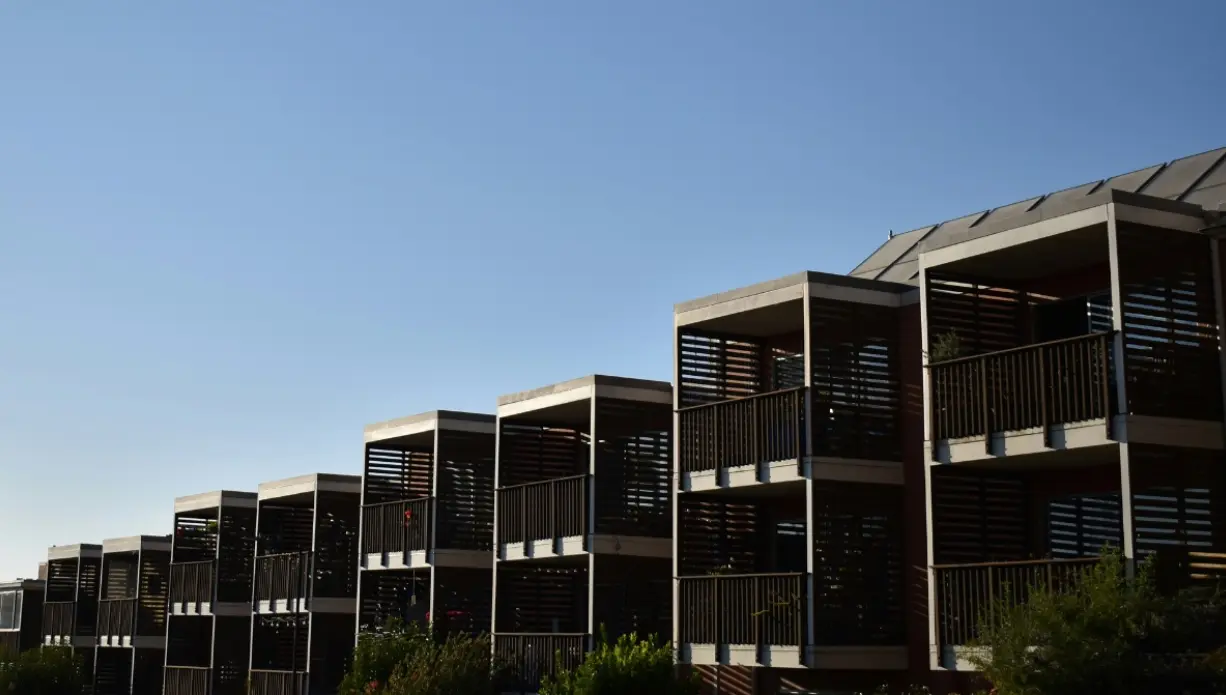
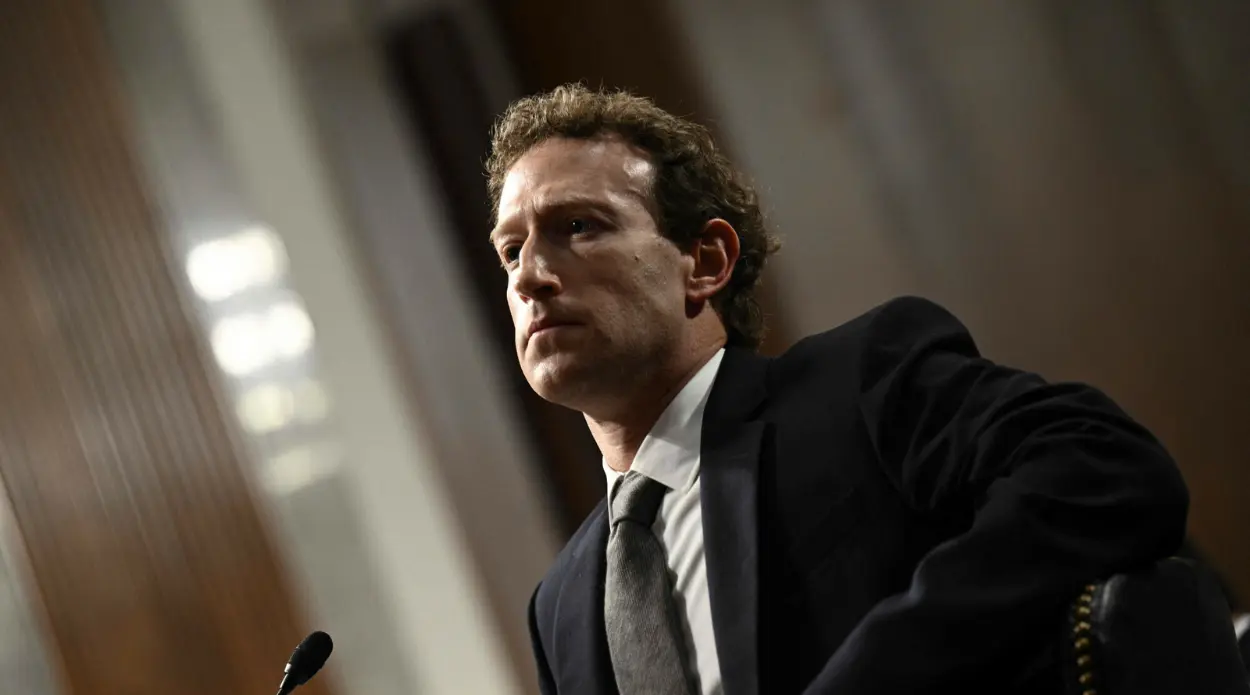
These gigantic amounts are visible on the streets of San Francisco, where luxury residences regularly sell above asking prices. The pinnacle of image cynicism was shown by Mark Zuckerberg. In March he bought a Miami property for 170 million USD, setting a record for Miami‑Dade County.
Just two months later Meta announced mass layoffs of 8,000 people, or 10% of staff. Ordinary workers are starting to feel increasing frustration – health insurance costs in the US rose this year by 6‑7%, and the median home price jumped by 28% from 2020 amid doubled interest rates.
See also: Is the 2026 market preparing a surprise? “Investors should ensure their portfolios are ready for the uptrend.”
Wall Street euphoria and growing street frustration
Social moods are extremely tense. A New York Times/Siena poll from January 2026 revealed that 65% of respondents consider a stable middle‑class life in the USA unattainable, and for 76% of Americans living costs are the biggest cause for concern. People lose jobs in unfavorable market conditions and hear that AI has replaced them while the creators of these tools accumulate historic wealth.
It is worth remembering that such drastic social stratification always ends in a big shock. The 2008 crisis brought massive bank bailouts while ordinary citizens lost homes, which after three years sparked the mass Occupy Wall Street movement. Today’s situation could trigger an even stronger wave.
See also: Meta shares down. EU hits Zuckerberg. Is the AI industry something to fear?
Source: TechCrunch