The case dates back to 2020, but its conclusion could have occurred in 2026. It might, but it probably will not. Six years ago the President of the Office of Competition and Consumer Protection (UOKiK) imposed a 29 billion PLN fine on Russian Gazprom for building a pipeline without the authority's consent. It concerned the Nord Stream 2 investment. The court challenged that huge fine, ultimately annulling it. That does not mean the Russian company entirely avoided financial liability. The penalty for lack of cooperation with UOKiK amounting to 40 million euros, i.e., about 174.5 million PLN, was upheld. The problem is that collecting this debt has been an issue for years.
Dispute between two offices
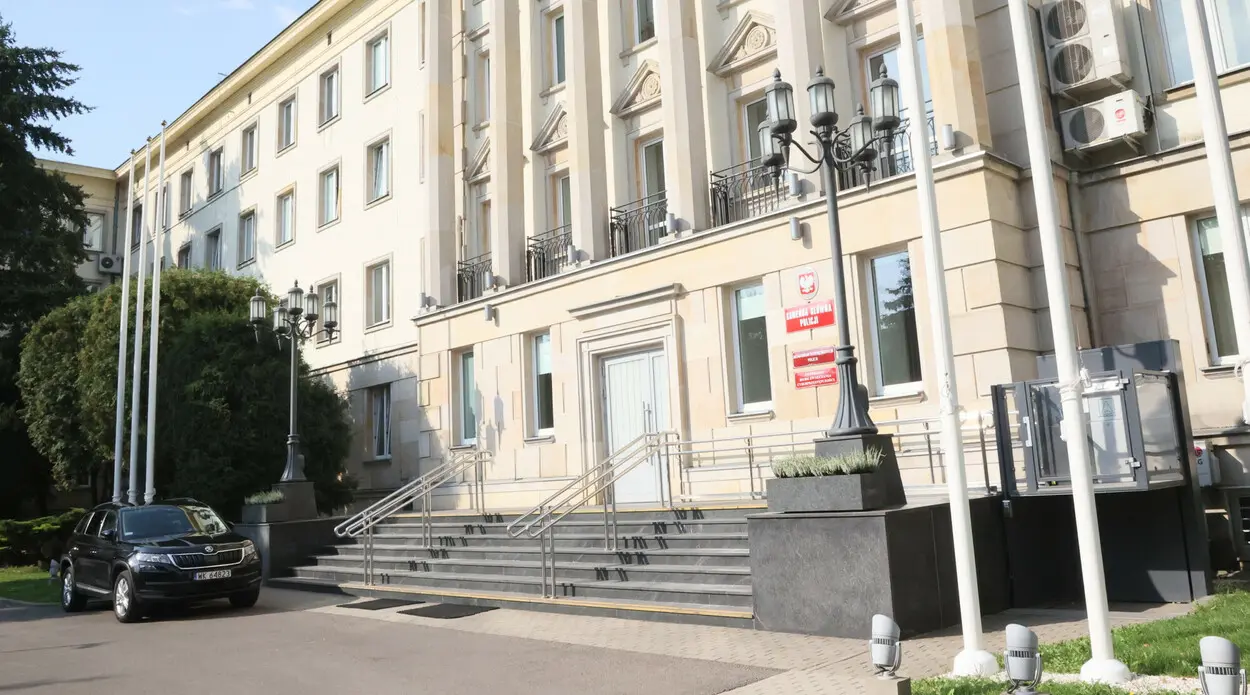
After Gazprom refused to pay the money, UOKiK attempted to collect the debt from Gazprom's frozen shares in EuRoPolGaz in Poland. Initially it seemed that this idea should not raise doubts, especially since the Warsaw Śródmieście Tax Office, the enforcing authority, acknowledged that the money should go to UOKiK and could be collected from the frozen assets of the Russian company. However, it quickly turned out that a dispute arose. It was not about the Gazprom company, which would want to appeal this decision, but about the Lower Silesian Customs and Tax Office in Wrocław, which blocked the possibility of asset withdrawal. Why? The Lower Silesian tax office determined that releasing the money that would cover the Russian company's obligations would, in effect, transfer it to the company indirectly, thereby covering its obligations. In the tax office's view, this would be contrary to applicable regulations.
This stance of the tax office is refuted by experts who argue that the released assets cannot be interpreted as returning part of them to the entity to which they were frozen. The correctness of the money withdrawal is indicated, among others, by tax advisor Radosław Żuk. More specialists in finance agree with this position, indicating that withdrawing money from frozen assets is compliant with EU law. It specifically refers to Article 6 of Regulation No. 269/2014, which provides for such mechanisms.
Surprising decision by the finance minister
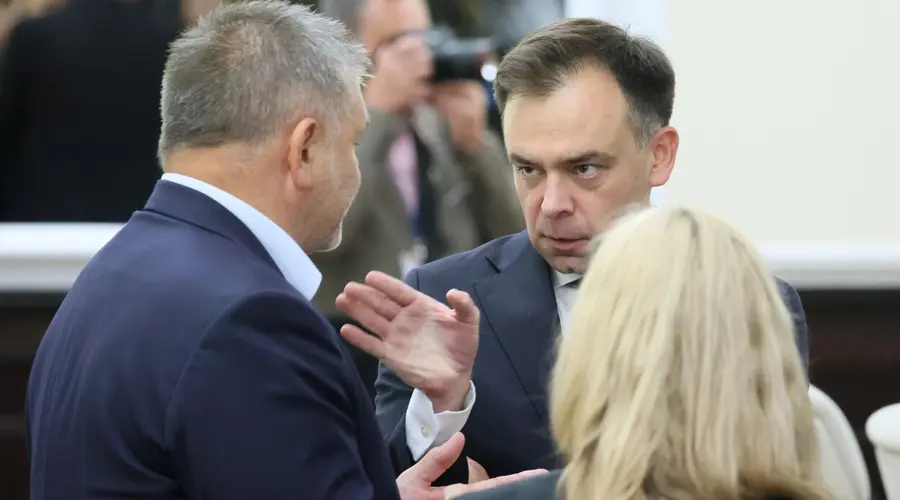
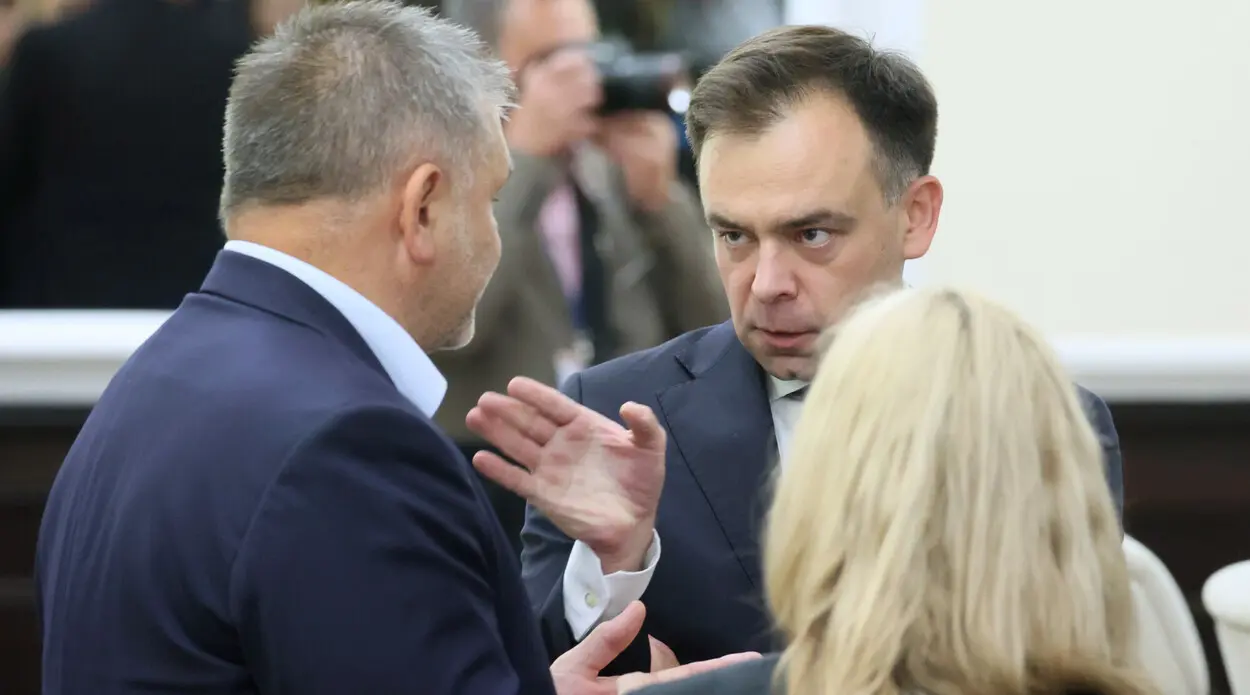
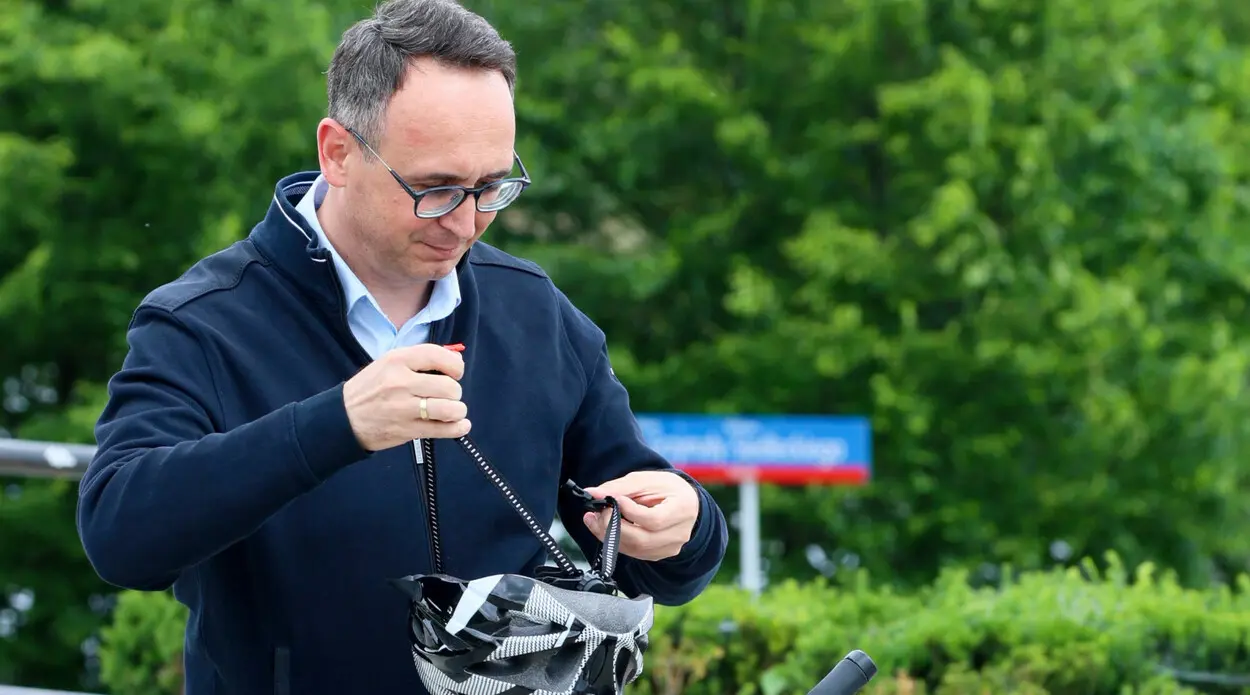
Because there was no visible exit from the dispute between the two tax offices, both presented different positions regarding the withdrawal of money from frozen assets, the case went to the finance minister, who had to ultimately decide who was right in this specific situation. Andrzej Domański sided with the Lower Silesian office, blocking the possibility of withdrawing the money, i.e., almost 175 million PLN.
It is even more surprising that in September 2025, when talks were ongoing about the possibility of recovering this money, the head of the finance ministry together with the Minister of Justice officially supported such a solution.
See also: Entrepreneurs have a problem with issuing invoice visualizations. Expert: “It may create a double tax payment obligation”