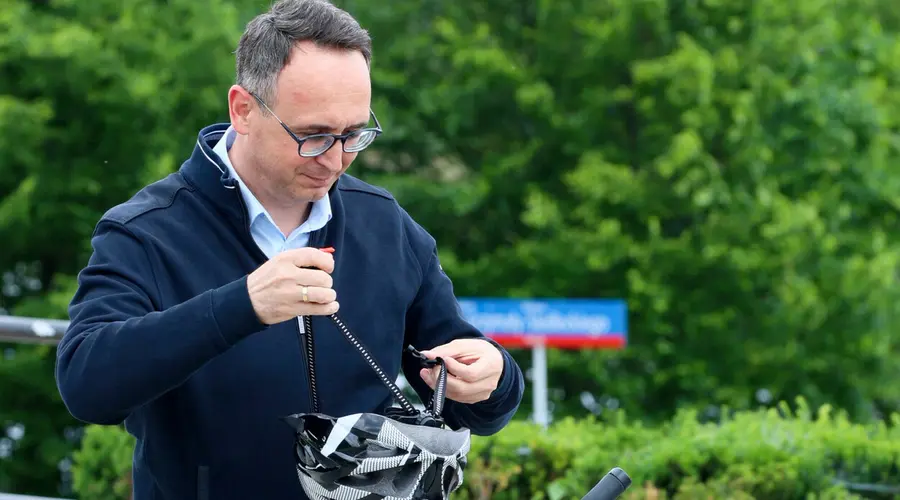
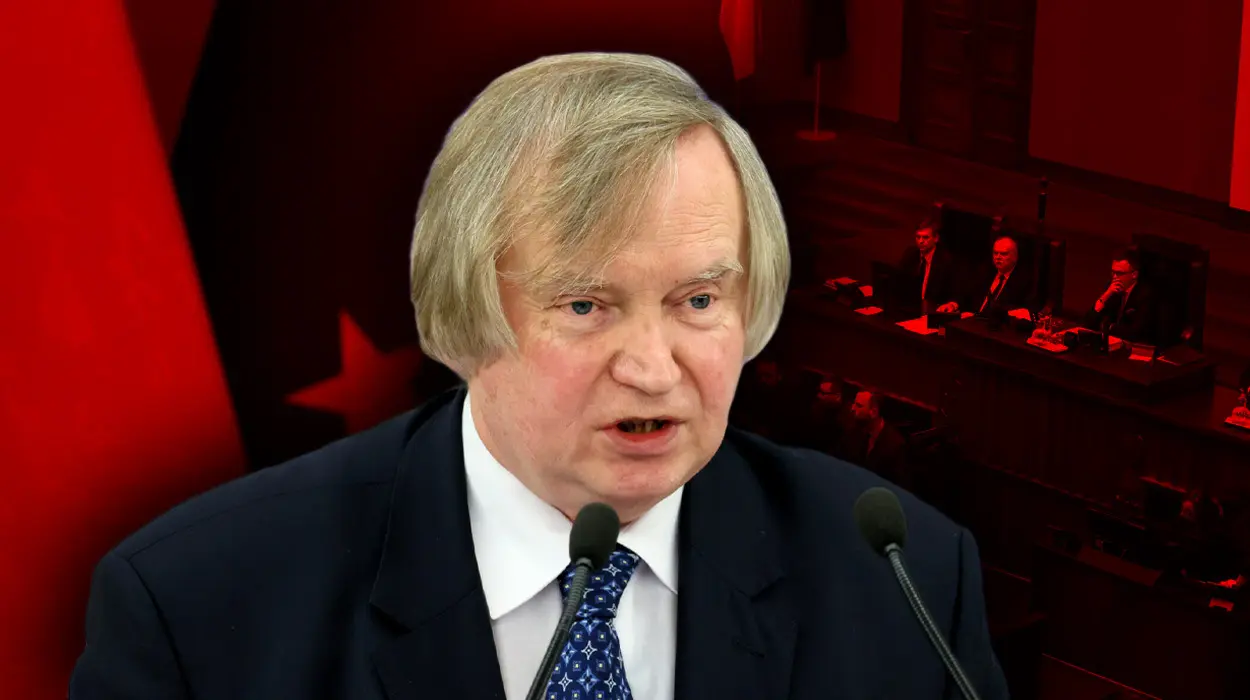
In recent days, Minister of Infrastructure Dariusz Klimczak said that changes regarding electric scooters are necessary. However, the way he addressed the topic caused dissatisfaction from the Polish Association of Light Electromobility (PSLE). The politician from the Polish People's Party said he is “cutting electric scooters”. The statement was made on RMF FM. Similar remarks were also made by the head of the infrastructure ministry on Radio ZET, where this transport mode was criticized.
“I will not allow Poland to import any electric experiments where, theoretically, it is a scooter, but in reality it is an electric motor. EU regulations really allow us to bring such junk into Poland. I definitely will not allow that. We are working in the ministry to introduce regulations, and I am also urging the (European) commissioner and my colleagues in the European Union Council to really stop importing random stuff from other countries. Let us introduce clear regulations where an electric scooter has specific electrical parameters and cannot be pushed to 100 km/h on the highway” – said Dariusz Klimczak on Radio ZET.
PSLE responds to Minister Klimczak
The approach to electric scooters by Minister Dariusz Klimczak did not please representatives of the Polish Association of Light Electromobility, who criticize the PSL politician for his statement and accuse him of lacking dialogue.
“It would be hard to imagine similarly stereotypical statements directed at any other means of transport, such as cars, motorcycles, or bicycles, all of which generate their own specific road safety challenges – often far more serious than e-scooters” – said representatives quoted by bizblog.spidersweb.pl.
Representatives of the association argue that electric scooters themselves are an ecological means of transport that can be used as an alternative to public transport or individual transport, such as cars. They emphasize that it is not the scooters themselves that are the problem, but their users. It is worth noting that road accidents involving electric scooters often involve underage users of these single-vehicle devices. PSLE also points out what Dariusz Klimczak mentioned – the import of low-quality devices, especially from Asia, that are not subjected to proper control procedures. On this occasion, PSLE accuses the infrastructure ministry of a lack of dialogue that would help develop solutions beneficial to scooter users and also contribute to increasing safety on Polish roads, including bike paths used by scooter users.
“We can basically identify and define problems and improve regulations in a way that truly improves safety, hits the gray area, but does not destroy legal, responsible, light electromobility that Poles are eager to embrace” – summarizes PSLE.
Scooters with inspection and liability insurance?
With the rise in the number of accidents involving electric scooter users in public spaces, the debate has heated up about what to do to improve safety for both scooter users and other people using pedestrian-bike paths and roads.
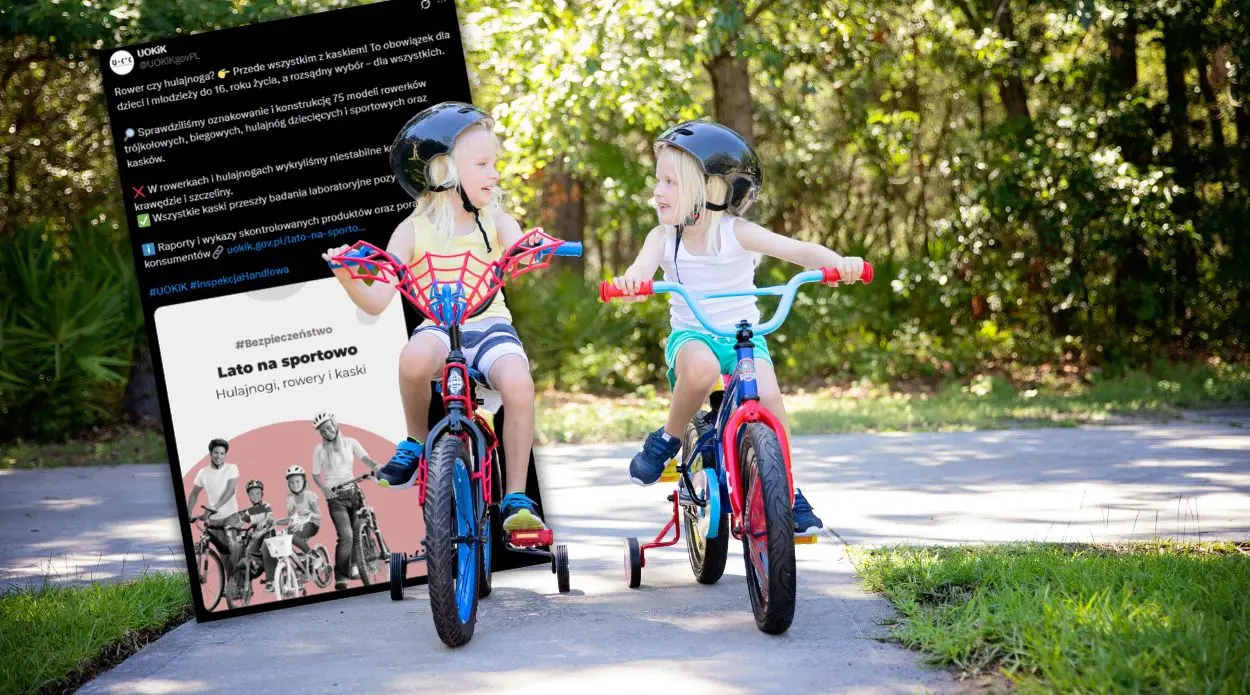
From 3 June 2026, it will be mandatory to wear helmets for cyclists and scooter users, including electric ones, up to 16 years old. In Poland, legal use of an electric scooter on public roads is possible after turning 13. Experts note that this is too little to realistically improve safety. Among the ideas that would eliminate scooters traveling faster than 20 km/h is an annual technical inspection of scooters to confirm that their technical condition allows use in Poland. There is also talk of mandatory liability insurance (OC) for every scooter, and even registration, so there is no doubt about who owns the device.
For now, these are ideas. The question is how many will the ministry decide to implement?
See also: Hard decisions before the Polish government. On one hand, gigantic spending on armaments, infrastructure, and energy; on the other, a galloping public debt