The latest BIK report "Deferred Payments 2025" for the first time describes how these behaviors have changed over the past year. It shows that BNPL is not only a payment method but also an important indicator of how Poles manage their money daily.
Who is a typical BNPL user?
At first glance one might think the typical BNPL user (i.e. "Buy now, pay later") is a young woman trying to balance work, family and online shopping. However, such a view would be too simplistic – in reality BNPL users are very diverse, and their group is constantly changing. Age and gender matter far less than attitudes toward money and how they approach saving.
It is worth emphasizing that the BNPL user environment is dynamic – experiences related to credit purchases influence how consumers manage their finances and their spending habits, which can evolve over time.
Four types of BNPL users
In the latest report, BIK analyzes four groups of consumers using deferred payments.
- Financially conscious: they plan, compare and control expenses. They make high‑value transactions, and their behavior remains stable over time. This group also has a high share of new users (63% of new customers), including those 65+. Nearly 70% remain consistent in their habits over a year, although some users change their approach over time.
- Impulse deal hunters: they react to promotions and immediate needs, rarely planning. Most maintain their habits, but some increase their use of BNPL. 84.5% of users remain loyal to their credit habits, yet some start using financing more intensively. The average transaction amount is 726 PLN.
- Flexible pragmatists: they adjust decisions to the current financial situation. While usually maintaining balance, some limit spending and abandon financing. They show that BNPL can support liquidity management. 82% of people in this group do not change their stance. The average transaction amount is about 263 PLN.
- Active enthusiasts: they use deferred payments intensely and regularly. The strongest tension here is between budget control and the desire for instant consumption. This is the youngest group (up to 24 years), dominated by women. Only a small portion of this group (just under 13%) moves to less intensive credit use.
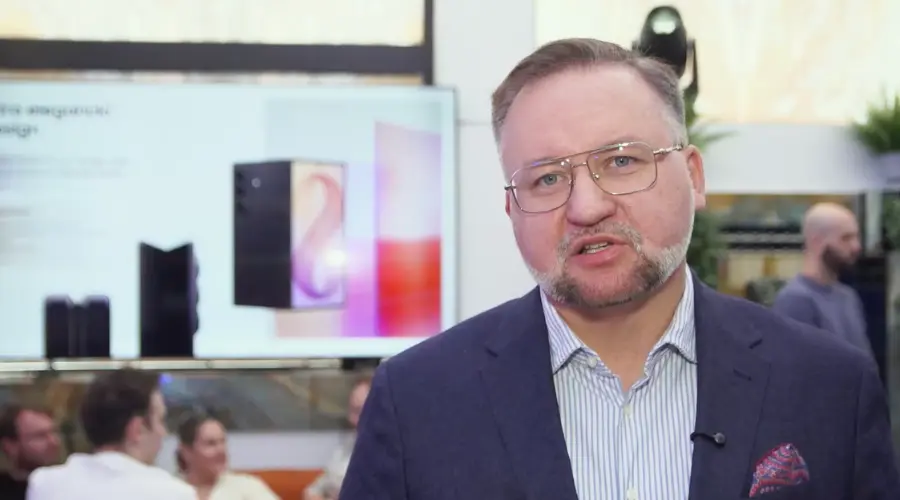
- One of the most important findings of the study is the evolution of BNPL users’ behaviors and attitudes. What appears to be stable financial behavior in each group is actually very dynamic. Within a relatively short time – within 12 months – some customers modify their financial habits and move to another consumer group. – says Łukasz Kamiński, Director of the Loan Institutions and Corporations Market, BIK and adds:
- We clearly see that with experience using deferred payments, consumer behavior changes. Even after a few transactions, people who previously planned expenses and made thoughtful decisions start acting more impulsively and respond more readily to opportunities. This shift occurs more often than one in ten financially conscious customers.
The boundaries between segments are fluid – consumers move between them not only because of personality traits but also due to changes in life and economic circumstances.
How customer behaviors are changing
BIK’s analysis points to a significant shift in purchasing behavior. Regular use of BNPL lowers the psychological barriers to spending, leading to faster decisions and increased susceptibility to impulses.
In practice this means the line between conscious budget management and impulsive consumption blurs, especially when payment convenience outweighs financial reflection. As Prof. Katarzyna Sekścińska, business psychologist and behavioral economist, University of Warsaw emphasizes:
- BIK segmentation shows that using BNPL is not solely a financial behavior but largely reflects psychological differences regarding impulse control, decision-making style, risk tolerance, time orientation and consumption approach. From an economic psychology perspective, it is particularly interesting that the same financial instrument serves entirely different psychological functions depending on the user profile. For some it is a tool for optimization, for others a way to regulate emotions, maintain liquidity or finance a lifestyle.
Implications for customers and the market
For people using deferred payments, it is not only the use of this payment form that matters, but also how it is used. This payment model can be a tool for prudent budget management, provided it fits into consciously planned expenses. The problem arises when BNPL is used to finance everyday purchases without control over the growing number of obligations.
We increasingly see the market moving toward numerous, small and more spontaneous transactions. BNPL is no longer just a payment means; it begins to serve as an indicator of changing consumption patterns. It shows how Poles actually make financial decisions, balancing thoughtful planning with impulsive action, budget control with the convenience of everyday shopping.
The published BIK report demonstrates that BNPL users do not form a homogeneous group but have a variable and complex profile, where financial decisions, emotions and needs quickly evolve. In practice this requires the market to adapt risk assessment methods and offer design to dynamic consumer behavior. For customers, financial education and conscious spending management become increasingly important to effectively control the household budget.