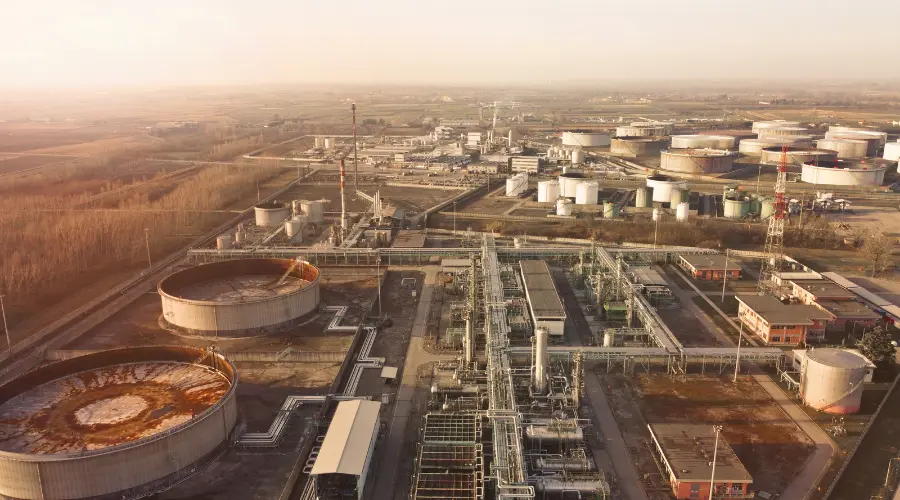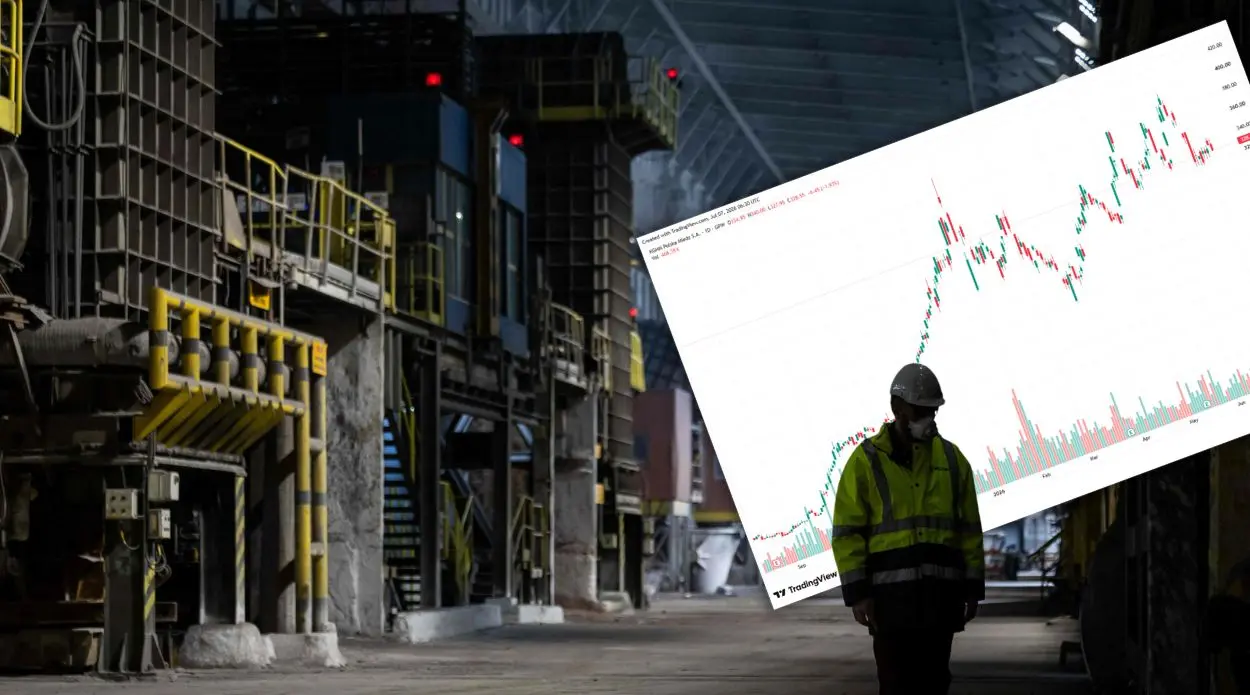











Brent crude oil prices have been hovering around $72 per barrel for more than two weeks, which has alleviated inflationary worries and refocused investors on other factors important from a monetary policy perspective.
Chart 1: WTI and Brent Crude (2026)

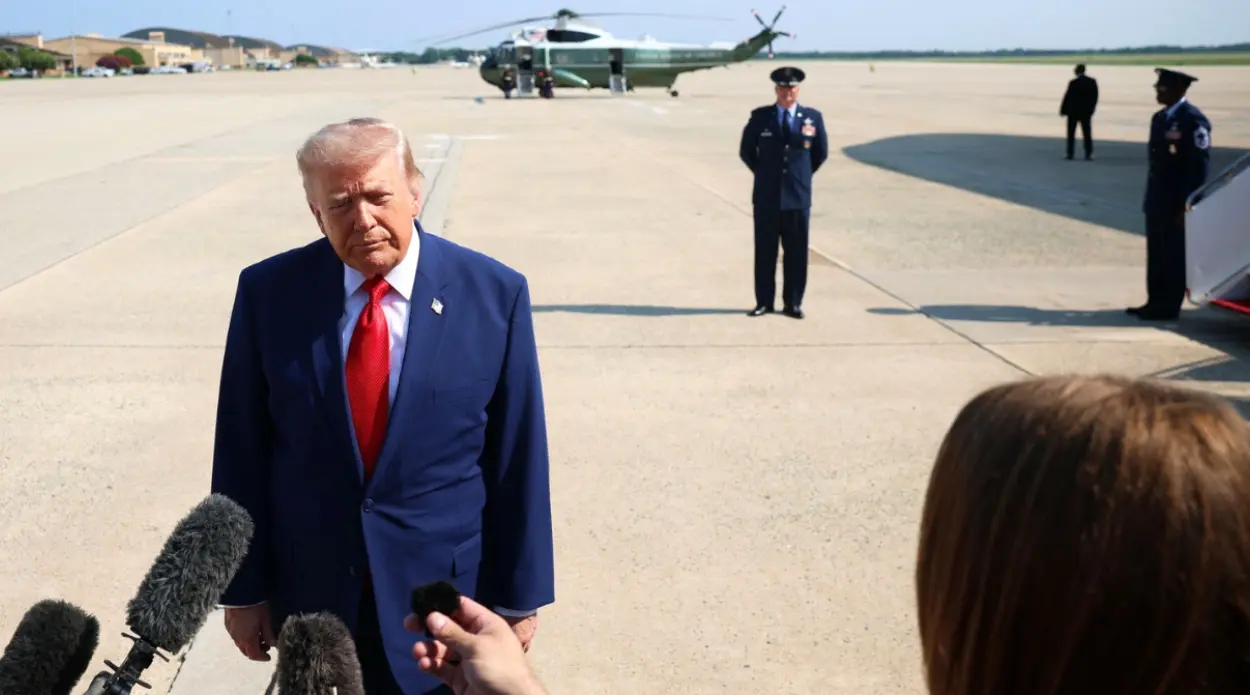
Yesterday evening, the U.S. administration decided to suspend sanctions on the sale of Iranian crude oil, marking the first significant signal to markets of potential escalation. Later at night, the U.S. military carried out an attack several times larger than previous military actions, shelling over 80 targets in Iran. Today, during the NATO summit in Ankara, President Trump announced the end of the arms suspension, calling Iranians "sick people." He also expressed clear skepticism about the chances of reaching an agreement in negotiations.
It is difficult to assess how significant these actions and the rhetoric will be in the long term. Trump has conditioned us to expect him to quickly withdraw from earlier commitments (TACO), which limits the scale of oil price increases and market downturns. However, treating these statements with full seriousness, one can naturally have concerns about a resurgence of inflationary pressure.
Due to a shift in risk appetite, the zloty, like other emerging market currencies, is weakening this week. As we have been emphasizing for some time, the Polish currency remains primarily dependent on external factors. Further decline of the EURUSD pair poses greater risk for it, and a general increase in risk aversion is a much greater risk than divergent domestic data or a change in rhetoric from the RPP president.
Chart 2: Emerging Market Currency Rates (current week)

Paradoxically, we will listen with great curiosity to the Thursday conference of President Glapiński. Although the market does not expect a change in interest rates in Poland before year‑end after today’s correction, it has recently begun to cautiously price in cuts. These were partially justified by recent data showing the largest monthly price decline since 2016, lower than expected wage growth and weakening consumption.
Chart 3: WIBOR 3M and FRA 6X9 (14.06 - 08.07)

Assuming a stable geopolitical situation, cuts in the fourth quarter of the year would definitely not be excluded. It seems, however, that the Board will remain cautious, and the president will try to pace Thursday’s communications to emphasize that external factors do not allow for more precise forward guidance. He should, however, stay away from rhetoric suggesting a willingness of the RPP to raise rates again.