The hottest sector of 2026 is back in play
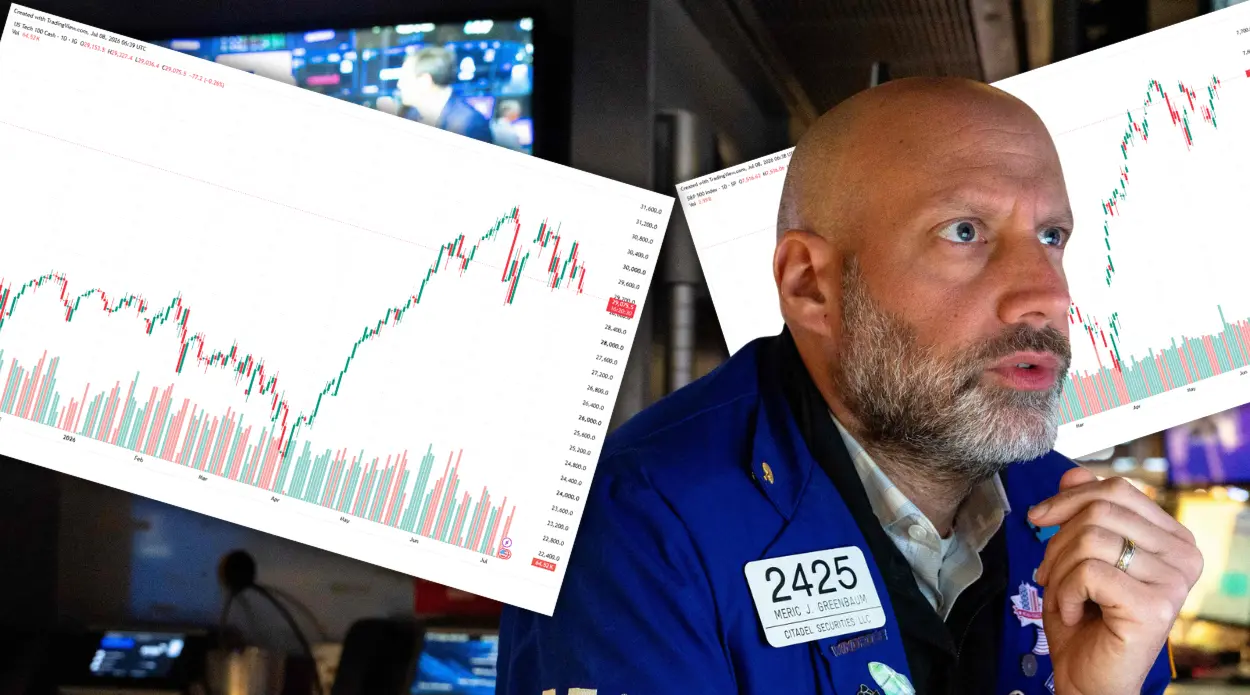
The result is a clear divergence among the major developed markets, which moved in opposite directions. On Wall Street, the Nasdaq Composite rose 1.7% and the S&P 500 up 1.2%, while the DJIA fell 0.5%. In Europe, the German DAX lost 2.8% and the French CAC nearly 2%.
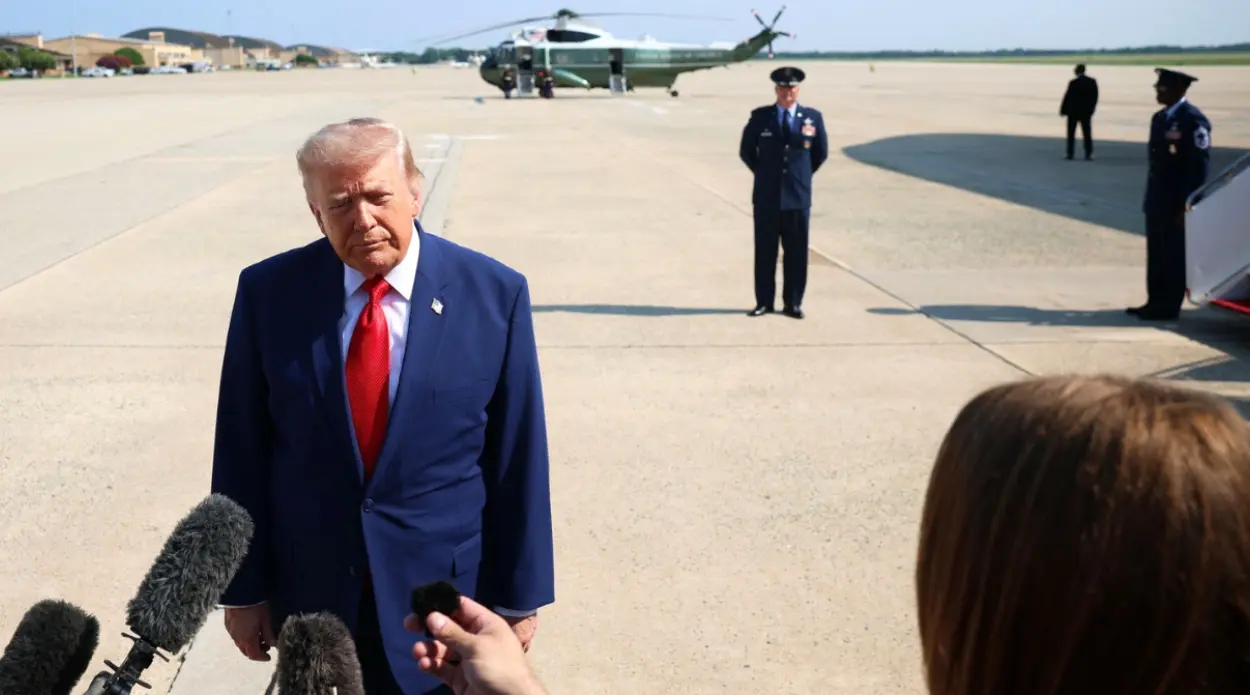
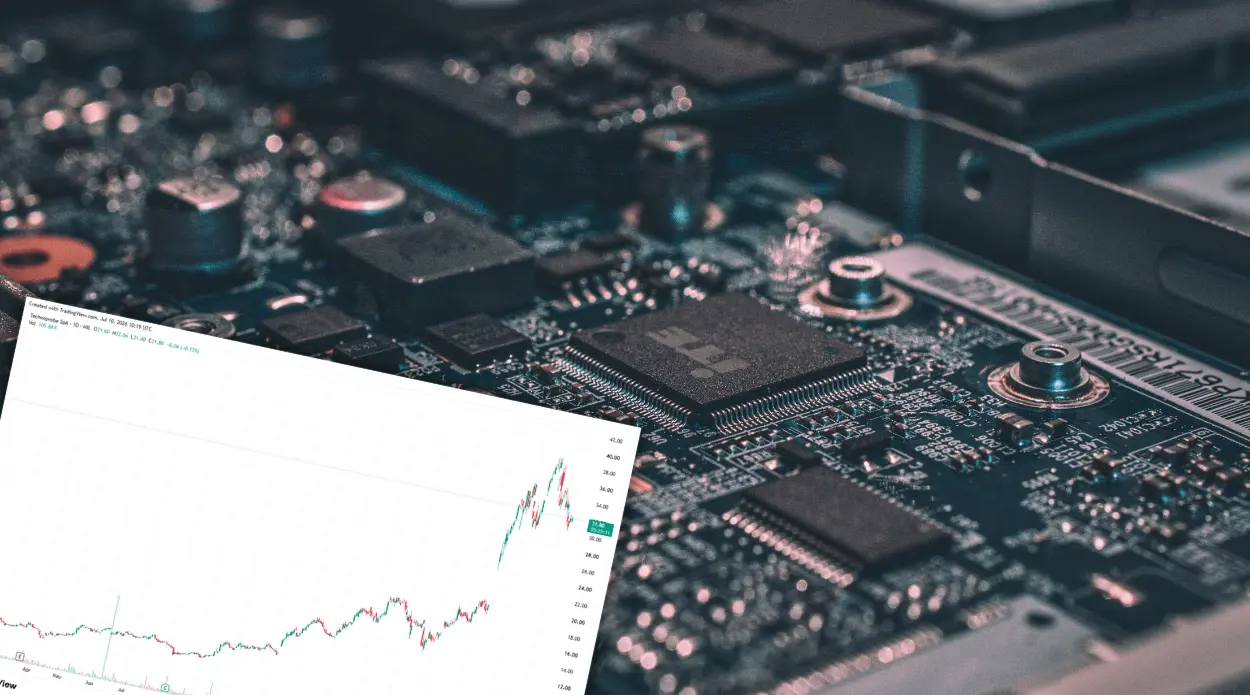
To capture the week’s trajectory, note that the shift occurred on Tuesday and Wednesday, when President Donald Trump’s rhetoric and the actual exchange of blows between the US and Iran intensified. The Wednesday session was particularly dynamic, determining the weekly declines in Europe, while Wall Street managed to build a counterweight to the downward momentum in the tech sector, operating under the shadow of the expected debut of the Korean semiconductor manufacturer SK Hynix in the US market – seen as expanding the field where investors can find their chance in the hottest sector of 2026.
The Strait of Hormuz war returns to markets. Oil prices again threaten recession
The resurgence of the Middle East war and the risk of a renewed closure of shipping in the Strait of Hormuz means that problems investors thought solved are returning to the markets. This is clearly seen in the oil market, which, thanks to the ceasefire between Iran and the US, reached June levels before the war and was one of the foundations of the indices’ march to historic highs. The return of the war means that the good finish of Q2 – set against June oil declines of about 20% – must be revised, if not corrected.
Nevertheless, investors are aware that at present neither side of the conflict can win the war quickly and decisively, so in the near term the topic of a ceasefire and a diplomatic solution, likely including the reopening of shipping in the Strait of Hormuz and eliminating the risk of oil price spikes, should return. At the market level, the goal is to prevent high oil prices from pushing the Fed toward necessary rate hikes and from triggering a recession, which is the greatest enemy of every bull market.
Paradoxically, the more potential declines in equity markets and oil price spikes, the greater the chances that the TACO-Trade idea will return, i.e., bets on the emergence of a TACO mechanism, in which the US president will simply soften his fears of falling stock prices on Wall Street and trigger a bear market with serious economic consequences.
The great test of Wall Street’s resilience
In the near term, the return of the sharp phase of the Middle East conflict will compete for investors’ attention with the quarterly earnings season. The first to fire will be the banks’ results. In fact, of the 30 S&P 500 companies releasing quarterly reports this week, more than half will be in the financial sector.
The problem is that bank companies performed well in June and July – in recent weeks the Invesco KBW Bank ETF gained over 11% – so the results must be good for the bull rally to have a chance to continue.
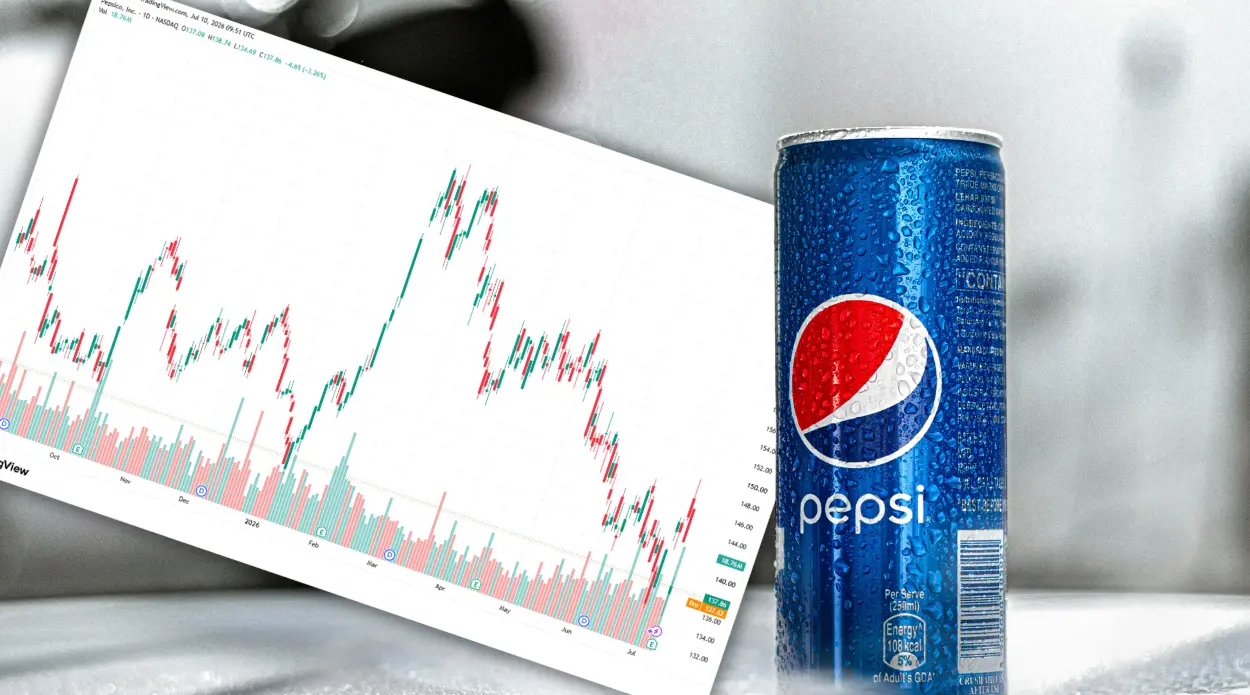
Looking at how the market reacted to PepsiCo and Delta Airlines’ results – both fell after publishing good reports – there is a risk of selling the facts.
The test of market resilience to profit-taking will also be the acceptance of reports from GE Aerospace, Johnson & Johnson, and UnitedHealth Group, which will show the rationale for rotating capital from the tech sector to the broader market and expanding the bull run into other sectors. Finally, ASML Holding and Taiwan Semiconductor Manufacturing results will be the first test of acceptance of semiconductor sector companies’ results.
The mix of rising oil prices, the Middle East war, and high expectations for companies guarantees a higher dose of volatility in the markets over the next three weeks, which will also answer questions about how the markets will shape up in Q3 and generally for the second half of the current year.