Historical reversal of the premium on the Warsaw Stock Exchange. The small-cap segment diverges from WIG20 and mWIG40
It is worth noting that sWIG80 has been significantly diverging from mWIG40 and WIG20 since the beginning of the year. The YTD return rate is only 4.6%. In terms of the price-to-book ratio, the small-cap segment shows a long‑unseen discount of about 20% relative to blue chips.
Historically, this relationship was reversed – sWIG80 companies were quoted with a premium relative to WIG20 companies.
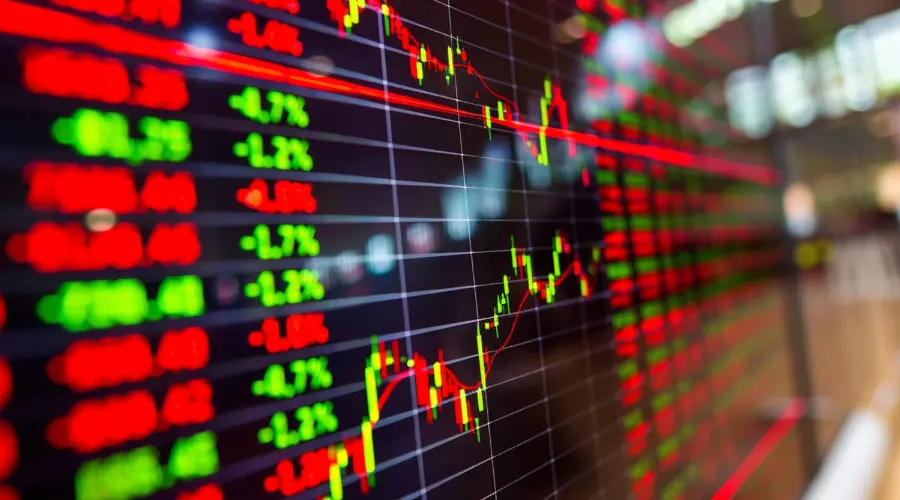
The color red also dominated the rest of the Old Continent – Germany’s DAX fell 1.37%, and France’s CAC40 fell 0.51%.
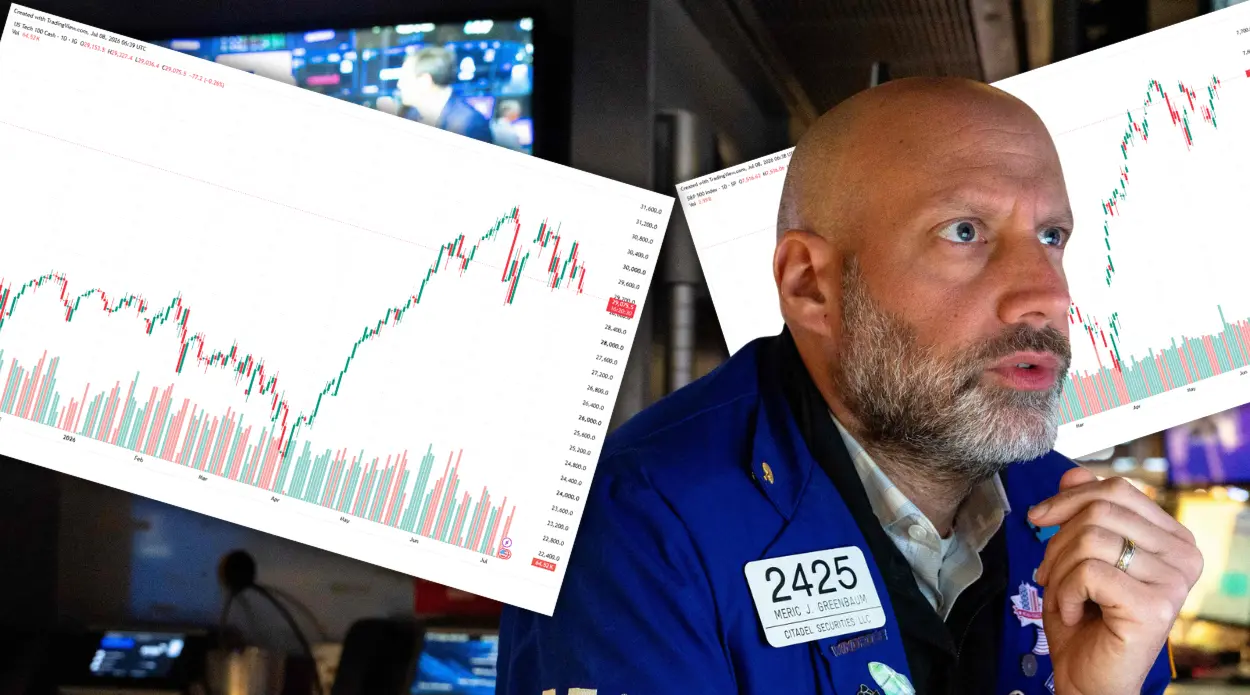
Pessimistic sentiment moved across the ocean, further aided by escalating tensions in the Middle East. The main indices on Wall Street after a successful Monday recorded a solid discount – the S&P 500 fell 0.45%, and the tech Nasdaq fell 1.16%.
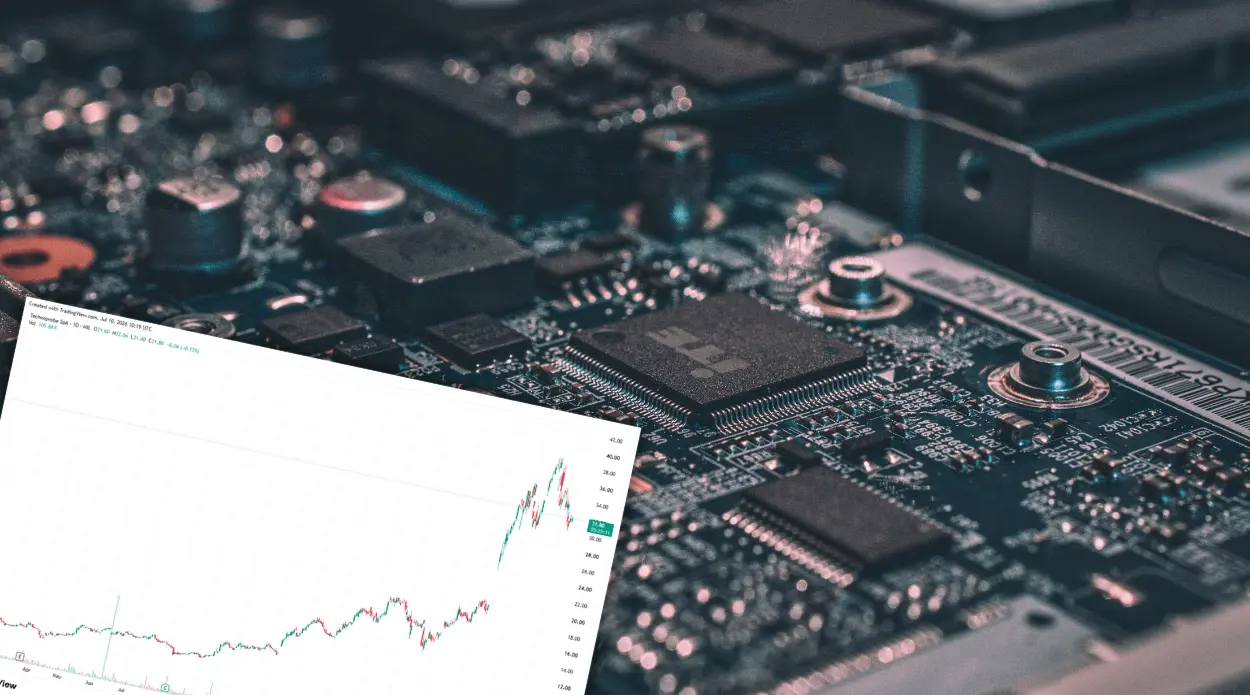
The sell‑off focused mainly on semiconductor companies – Micron shares fell 3.71%, AMD fell 6.51%, and Intel fell 9.66%. “Value” companies performed much better, confirming the thesis that a correction in the U.S. equity market does not necessarily mean a complete capitulation of bulls, but has a good chance of taking on the character of a “rotational correction.”
Night raids by the USA on Iran. Oil rises 5%, and Asian markets drown in blood
After a brief pause, the headlines returned to the Middle East. In response to Iranian attacks on commercial vessels passing through the Strait of Hormuz, U.S. forces carried out a series of strikes on 80 targets in Iran overnight.
Additionally, the U.S. Treasury Department withdrew on Tuesday the license suspended under the preliminary agreement that lifted sanctions on the sale of Iranian crude oil.
Despite Tuesday’s attacks on ships, on Wednesday early in the morning tankers carrying crude oil continued to pass through the Strait of Hormuz. On Tuesday, the price of “black gold” rebounded by more than 5%.
In our opinion, after the deep discount that appeared on the wave of the agreement between the U.S. and Iran, there is still room to “build up” the geopolitical premium in the commodity price.
At the time of writing this commentary, a rather pessimistic picture emerges from the Asian session. Korea’s Kospi is down for the second day in a row, approaching a 5% discount. Japan’s Nikkei follows, losing more than 1.5%.
Hang Seng stands out very positively in this context, gaining over 3%. The relative strength of Chinese and Indian indices suggests a rotation of capital within the emerging markets basket. Futures contracts on European indices indicate a break below the threshold.
In our opinion, without de‑escalation signals from the Middle East, today’s session on the Old Continent will have a falling character.