Minutes from the latest FOMC meeting with Kevin Warsh’s first participation
In June the Fed unanimously kept the federal funds rate range at 3.50–3.75%. The statement was brief but clearly emphasized persistent inflation, supply shocks, energy prices, and a commitment to restoring price stability. This reinforced an interpretation of the meeting closer to a scenario of maintaining restrictive policy rather than a rapid return to cuts.
June projections added a more restrictive view of the rate path. The median forecast for the federal funds rate at the end of 2026 rose to 3.8% from 3.4% in March. The median PCE inflation for 2026 was raised to 3.6% from 2.7%, and the median core PCE to 3.3% from 2.7%. For bonds and the dollar, it will matter whether the minutes show broad support for this change or a more cautious reaction to a one‑off energy price shock, especially since the market is record‑low on short euro, franc, Canadian dollar, or yen positions and has already priced in future dollar strength (based on CME currency contract positioning).
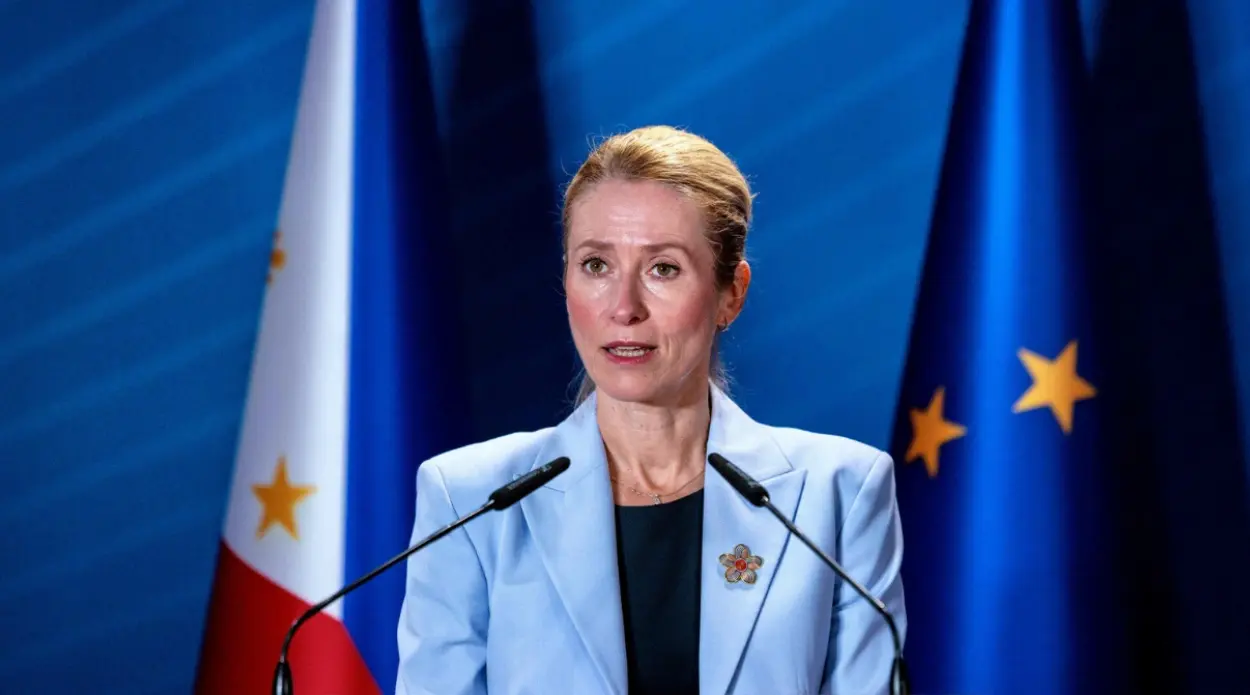
A separate source of uncertainty may be the Fed’s new communication style. Kevin Warsh took over as chair on May 22 and is also the FOMC chair. Some analysts assume that today’s minutes may contain fewer details about the committee’s internal discussion than previous releases.
Warsh avoided forward guidance in the statement and at the conference, so similar sparseness may appear in the minutes as well. The document could be shorter and less helpful for investors seeking a detailed map of FOMC views.
Inflationary backdrop strengthens a more restrictive reading
In May the PCE deflator rose 4.1% year‑over‑year, and core PCE by 3.4%, clearly above the Fed’s target. Higher consumer inflation expectations also emerged from a New York Fed survey. Annual expectations rose in June to 3.7%, three‑year to 3.3%, and five‑year remained at 3.0%. Tensions around the Strait of Hormuz and higher oil prices pushed bond yields to a four‑week high near 4.565%.
The counterweight remains the labor market. The June BLS report showed employment outside agriculture up only 57,000, an unemployment rate of 4.2%, and a decline in labor force participation to 61.5%.
Average hourly wages rose 0.3% month‑over‑month and 3.5% year‑over‑year, and April and May data were revised down by a total of 74,000 jobs. This does not close the Fed’s path to a rate hike but provides an argument for caution if weaker employment starts to outweigh inflation risk.
The reaction after publication may depend on several excerpts. If the minutes show that many FOMC participants viewed a hike as a realistic option for upcoming meetings, two‑year bond yields and the dollar could maintain an advantage.
If the document emphasizes uncertainty on growth, weaker labor market data, and the need to observe further readings, part of the September hike valuation may be pulled back.