I. The savanna law, or the biological error in software
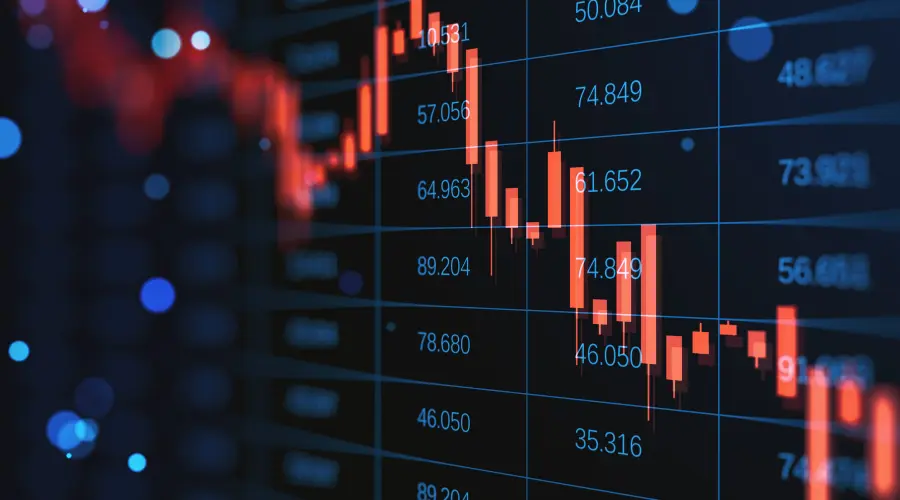
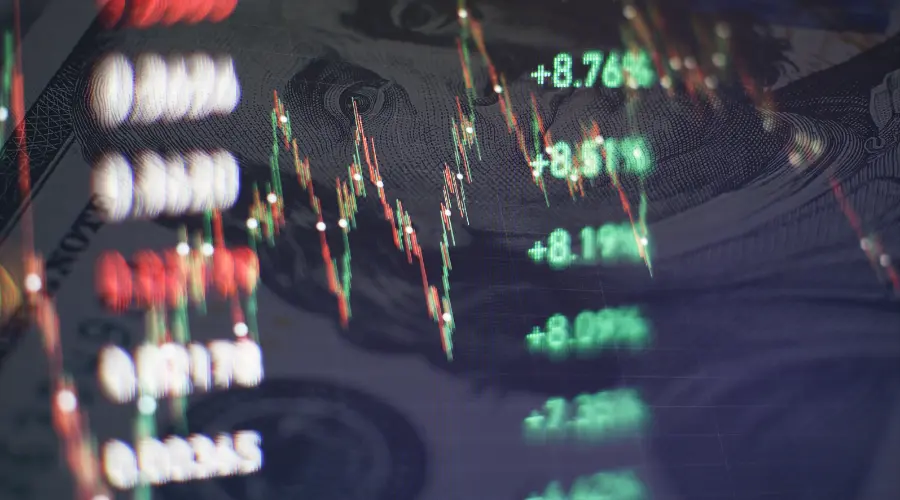
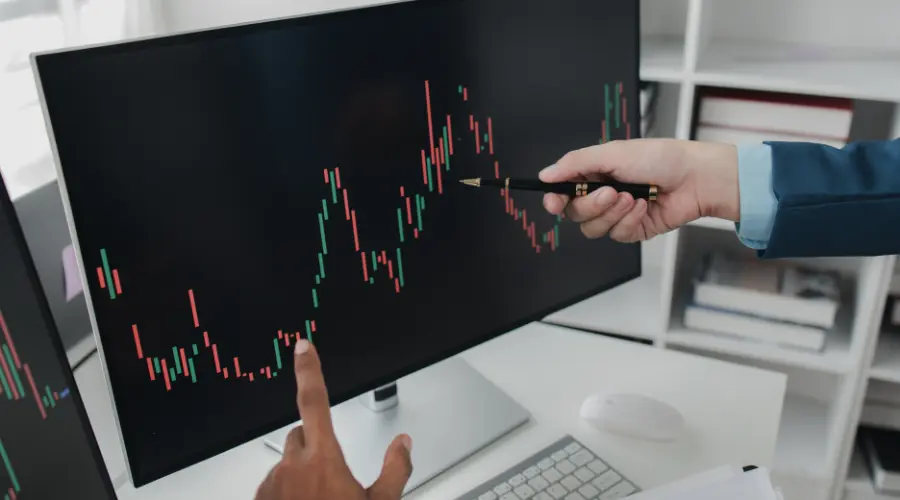
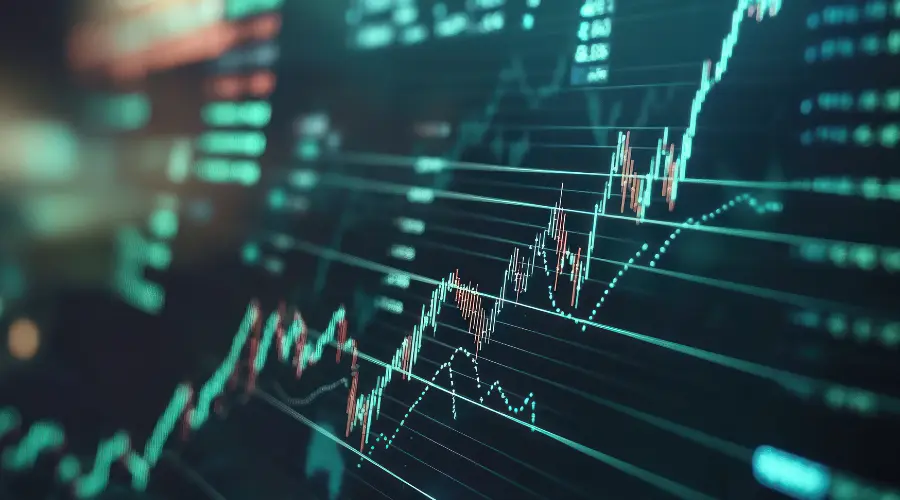
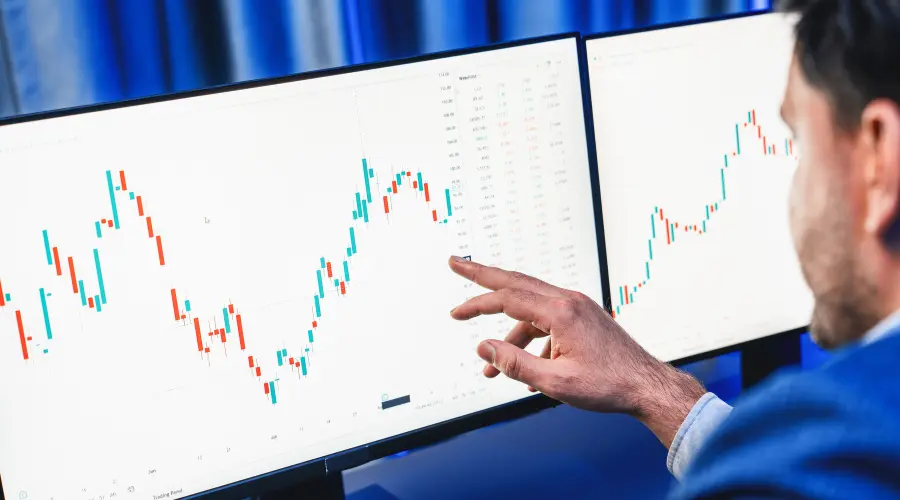
It’s Tuesday at 9:30 am. You’re sipping coffee, staring at flickering bars on the screen. You look at EUR/USD and see that textbook “head with shoulders”. It looks so perfect that you almost beg for a mistake, because your imagination has long stopped analyzing and has simply begun… to want. I have bad news. Your brain is turning you into a horse, and you’re participating in it – willingly.
To understand why we read markets so terribly, let’s go back thousands of years. Imagine your great‑great‑great‑grandfather somewhere on the savanna. He had no time for fundamental analysis of bushes. Either he assumed that the rustle he heard was a lion and ran away, or… well, he wouldn’t have become your ancestor.
Only the most panicked survived. And that’s the problem – we inherited the brain of the biggest cowards in history, and now we try to use it to make money. In cognitive psychology this error is called pareidolia. It’s why you see a smile in a car bumper and faces in the clouds. The problem is that today, when moving capital, we rarely look at the clouds. We look at charts. And suddenly in completely random, statistically noisy price action, we spot “cups with ears” or “double bottoms”.
Let’s say it out loud: the currency market is a gigantic, trillion‑dollar Rorschach test. We look at an abstract price blot and subconsciously project our hopes, panic over loss, and whether yesterday’s dinner harmed us onto it. Daniel Kahneman won a Nobel for that, and we keep doing the same: we trust the fast, over‑excited “System 1”. It tells you: “Buy, because it’s fleeing!”, while the wiser, lazy “System 2” hasn’t even had time to wipe its eyes. On the exchange, this intuition is worth fortune‑telling from coffee grounds. Burton Malkiel rightly called short‑term price moves a simple, random wander.
II. Self‑fulfilling prophecy, YouTube shamans, and fear‑eating machines
Skeptics usually present a steel‑clad counterargument: “Hold on! Technical analysis and those formations do work sometimes!”. Yes. But not because Fibonacci’s golden ratios hide a cosmic truth about the economy. They work because of the power of herd momentum. Imagine a million traders looking at the same chart and succumbing to the same pareidolia. Everyone sees a price hitting the “magic support line” and firmly believes the price will bounce off it.
They shout “Buy”. Capital pours into the market, physically driving the price up. It wasn’t a line predicting the future – the crowd created it. It’s a self‑fulfilling prophecy driven by irrational enthusiasm described by Robert Shiller. The magic is that we agree on the same optical illusion.
You’ll say that today markets are ruled by High‑Frequency Trading algorithms. Machines don’t feel fear of a margin call and don’t suffer from pareidolia. They see only a river of zeros and ones. Yet we still feed them fuel. Bots perfectly optimize micro‑moves, but it’s our human panic that builds the powerful surges they surf on.
When a crisis erupts, people hysterically look at monitors, not source code. Even if we covered ourselves in 4K screens and macro‑economic indicators, deep inside we’re still scared savanna gatherers. Instead of lions we fear the Fed’s hawkish decisions, and we’ve replaced a jaguar with a smartphone and a brokerage app. The mechanism is ruthlessly the same.
Let’s get grounded – we don’t read markets at all. We simply browse them like a mirror, stubbornly searching for faces in the clouds. Where in all this market “gurus” from YouTube or X, drawing colorful triangles and ellipses on charts, claim they’ve found the code to the market Matrix? In reality they resemble shamans predicting from a bird’s flight. They’re not shamans; they’re brilliant illusionists. They monetize the fact that as a species we panic over chaos and will pay any money for someone who, with a certain voice, draws an upward arrow on our chart. By the way, the more monitors I see on a trader’s desk, the more I suspect they’re trying to mask a lack of strategy – selling the illusion of control in an environment that naturally thrives on chaos.
And we buy it because our brain begs for any foothold. We naïvely believe that the blue support line will protect our savings like a financial sedative.
III. The myth of hard science and the digital savanna
That’s why volatility in Forex can be so brutally detached from fundamentals. When inflation data (e.g., NFP) is released, the market rarely reacts to the raw numbers. It reacts to their emotional digestion by the crowd. If investors see in the data confirmation of their fears, the price goes to the neck, and the drawn resistances break like dry matches. Rational models become junk because you can’t fit a human panic coefficient into a spreadsheet. In geopolitical crisis moments the dollar gains – not because the US economy is invincible, but because the terrified crowd seeks a safe harbor. Fear turns off calculators and turns on primal instincts.
Since we know our mind is an evolutionary saboteur, let’s play it with open cards. Awareness that we’re looking at a psychological Rorschach test is half the success. The next time you feel an adrenaline surge and a desire to risk half your capital because the candle pattern perfectly forms an inverted bat (yes, that exists!), pause. Take a breath. Remember the relative fleeing across the savanna. Release System 1 and slowly activate System 2. By being conscious of your biological limits, you’ll protect your deposit from painful execution. After all, predators on the digital savanna don’t have fangs – they have commissions and margin‑call orders.
Understanding this trap also exposes a powerful myth: the belief that economics is a hard science. We’d love to believe that. That’s why we dress markets in expensive suits and stochastic models to feel control over a phenomenon entirely dependent on human whims. Meanwhile sudden spikes on charts are a recording of the global mood’s ECG. Prices don’t jump because physics changes. They jump due to a shift in the emotional consensus of millions of minds. As George Soros brilliantly put it in his theory of reflexivity, prices and our reactions to them cannot shape economic reality in reverse. The crowd does not observe the market. The crowd is the market. Ultimately, the global currency trade is simply the world’s most expensive theater. The script is written by central banks, the director is often AI, but the lead roles have been played by our own fallible nature for centuries.
That’s why this spectacle still fascinates us. Looking at fading Japanese candles, we rarely seek truth about the economy in them. Subconsciously we try to give meaning to chaos. As long as we’re human, we’ll keep seeing faces in the clouds and bats on charts. Understanding that we carry in our heads a brilliant, though evolutionarily flawed, brain is the best investment we can make. And that knowledge is absolutely worth its weight in gold.
Mikołaj Morawski