The "618" festival, originally launched by JD.com, serves as a market barometer of sentiment in China.
A bloody bath for giants and a boom in artificial intelligence
This year’s reading from Counterpoint Research, covering May 26 to June 21, delivered grim news. Most key brands recorded double‑digit sales declines.
Honor saw a drop of 33%, and Xiaomi fell 24%. What caused this massacre? The AI revolution, which devours massive component resources. The crisis is visible not only in the PC market but across all other tech sectors.
The massive expansion of AI data centers has driven RAM and flash prices to astronomical levels. Smartphone makers, faced with rising production costs, had nothing to fall back on.
Forget last year’s aggressive price cuts. As Ivan Lam of Counterpoint Research notes, some smartphone models were pricier than their pre‑year counterparts, and discounts were exceptionally shallow, both in scale and in the portfolio of discounted products.
See also: Nvidia and Alphabet stocks react to the giants’ clash. One may fall behind.
Huawei goes against the grain, Apple pulverizes reality
Against this bleak backdrop, Huawei performed phenomenally.
The Shenzhen conglomerate (now almost absent in Europe and banned in the US) was the only major player to record sales growth, up an impressive 19%, securing a leading position with 21% market share.
Chinese consumers fell in love with the Enjoy 90 Pro Max, and strong results, amplified by successful promotions, also boosted the flagship Mate 80. Huawei proves that strong consumer patriotism and a solid portfolio can break market apathy.
Meanwhile Apple, despite a 9% sales decline, managed to climb to second place on the podium. The American giant launched its festival offensive a month early. The strategy worked, but required significant concessions.
Thanks to a mix of official discounts, platform e‑commerce subsidies, and trade‑in programs, customers could save up to 2,000 yuan (about 295 USD) on iPhone 17 Pro models.
Yet Tim Cook has no reason for full celebration – the benchmark from last year was set extremely high, as promotions on the iPhone 16 line were much more aggressive.
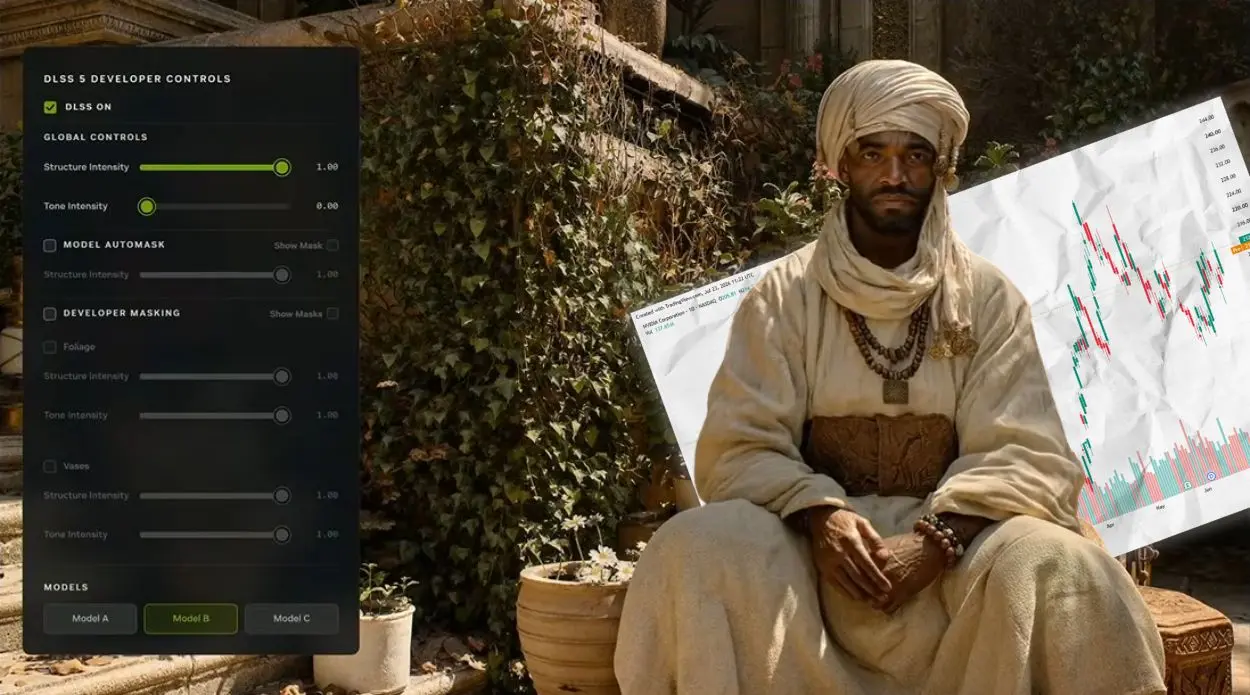
Despite the gloomy news from China, Apple shares rose 1.31% to 312.66 USD at the July 6 close.
Chart. Apple stock price
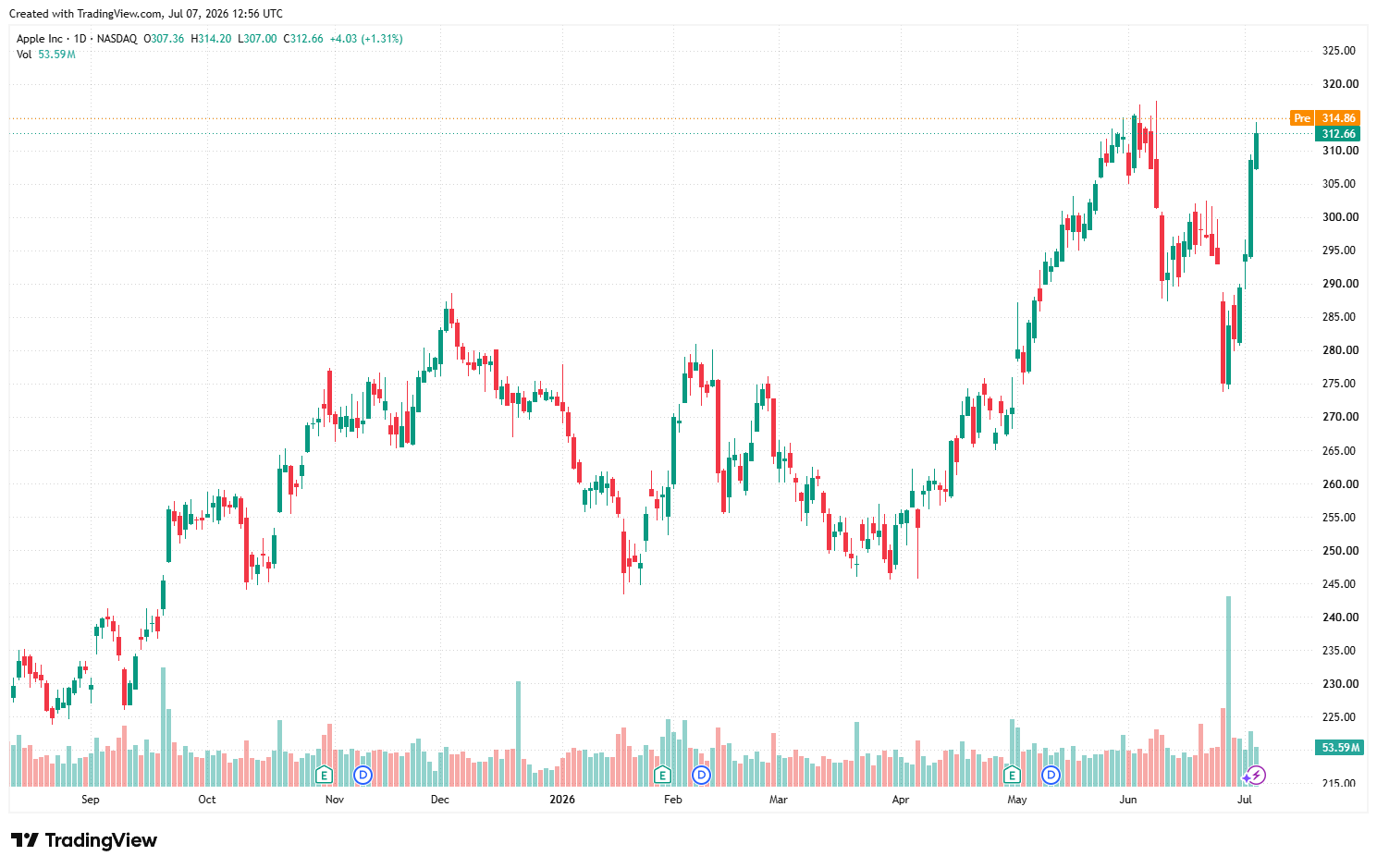
Source: TradingView.
See also: The giant’s shares fell 55%. Will a nostalgic pirate breeze help the struggling company?
The specter of a global slowdown becomes increasingly real
The 618 festival crisis is not only a problem of expensive components but also a deeper cultural and economic shift.
Once a one‑day event, today a nearly month‑long campaign simply tires Chinese consumers of something akin to our "Black Friday", which electronics markets try to stretch into a "Black Week" without offering any noticeable deals.
Extending discount periods has delayed the “special deals.” Moreover, weaker consumer sentiment in China effectively dampens appetite for non‑essential spending.
The new smartphone now loses to pragmatism.
Although June brought a temporary, cyclical rebound compared to May, analysts are not deluded. The tech industry in China faces lean months. The market is entering a seasonal slowdown phase.
According to Counterpoint Research, the entire year will close with a deep, double‑digit drop in supply volume.
For investors, this is a clear signal that hardware margins will be under strong pressure until the AI craze stops draining the memory market.
See also: Will the market collapse due to the gaming sector? The giant warns! Its shares are taking an unprecedented turn.
Source: Reuters.