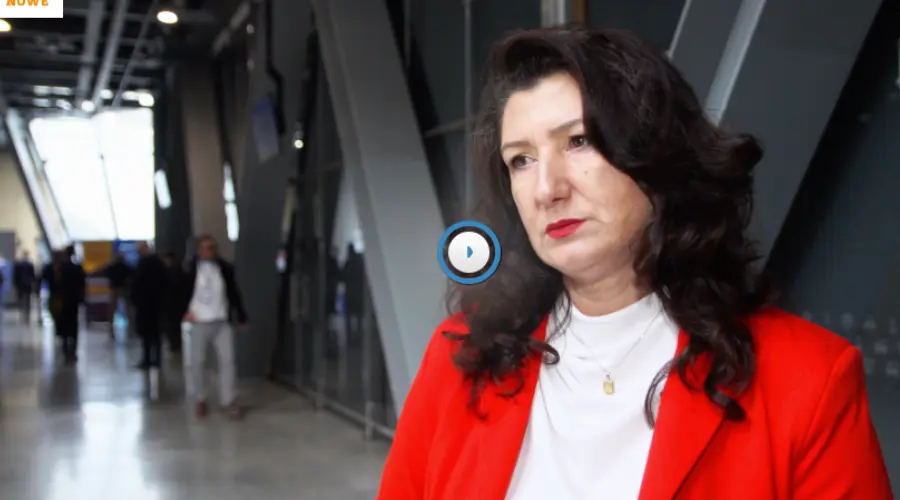
Jolanta Sobierańska-Grenda, over whom the specter of resignation had recently hovered due to her failure to receive a vote of confidence, now finally wants to assert her presence in the Ministry of Health. Her sluggishness in action had been one of the reasons for criticism from opposition politicians. In light of the ministry’s plans, one should not expect this time to be different. The Ministry of Health has decided to grant nurses and midwives new competencies. Those performing this profession will be able to carry out many of the same tasks as doctors.
Nurse like a doctor?
A draft amendment to the Act on the Profession of Nurse and the Profession of Midwife was published in the Government Legislative Center. The current provisions were introduced in 2011. According to representatives of the Ministry of Health, they do not meet current needs, so some of them must be changed.
The ministry, by introducing changes, wants to give nurses and midwives greater competencies. According to the assumptions, they will be able to prescribe certain medications, issue sick leave up to 5 days related to the provided service, and even in some situations declare death. This refers, for example, to a situation where death occurs after prolonged palliative care.
“The proposed regulation aims to organize scattered solutions, increase the transparency of regulations, adapt them to current realities of the functioning of the healthcare system and provide adequate legal framework for the further development of the professions of nurse and midwife” – we read in the justification of the amendment.
The ministry’s idea sparks controversy
The changes the ministry plans aim to increase the prestige of the professions of nurse and midwife. It is currently unknown whether higher salaries will accompany the new competencies. These issues are increasingly emotional in the healthcare system, especially concerning doctors. The ministry wants all doctors’ incomes, both from public institutions and private practice, to be recorded and available to the ministry.
However, this is not the issue related to nurses and midwives that, in connection with the proposed amendment, is causing controversy. It concerns changes in the training of midwives, who currently study in a separate program. According to the ministry’s plans, they would first participate in nursing studies, and only later undertake something akin to a midwifery specialization. The idea is criticized by professional organizations representing midwives, as well as the professional self-government. Critics believe it will affect the preparation for the profession, emphasizing that midwives’ tasks go far beyond just giving birth. This includes postpartum care, health prevention, and care for women during menopause.
The ministry defends its idea by stating that such a solution will increase the flexibility of those preparing for the profession, giving them the possibility to also work as nurses. In the ministry’s view, this is intended to respond to the needs of the times, including shortages of medical staff.
Before the law reaches the Sejm, it will undergo 30‑day public consultations that may indicate a need for changes in the prepared regulations.
See also: Is the health service situation plunging the Tusk government? NFZ in an increasingly difficult situation