Stock market investors know that order book transparency is the absolute foundation of trust in trading platforms.
The Big Five on the regulator’s carpet
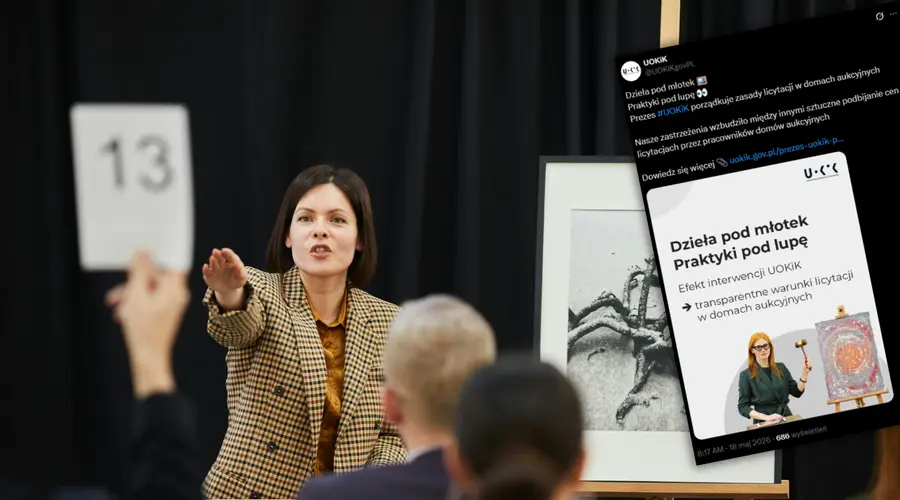
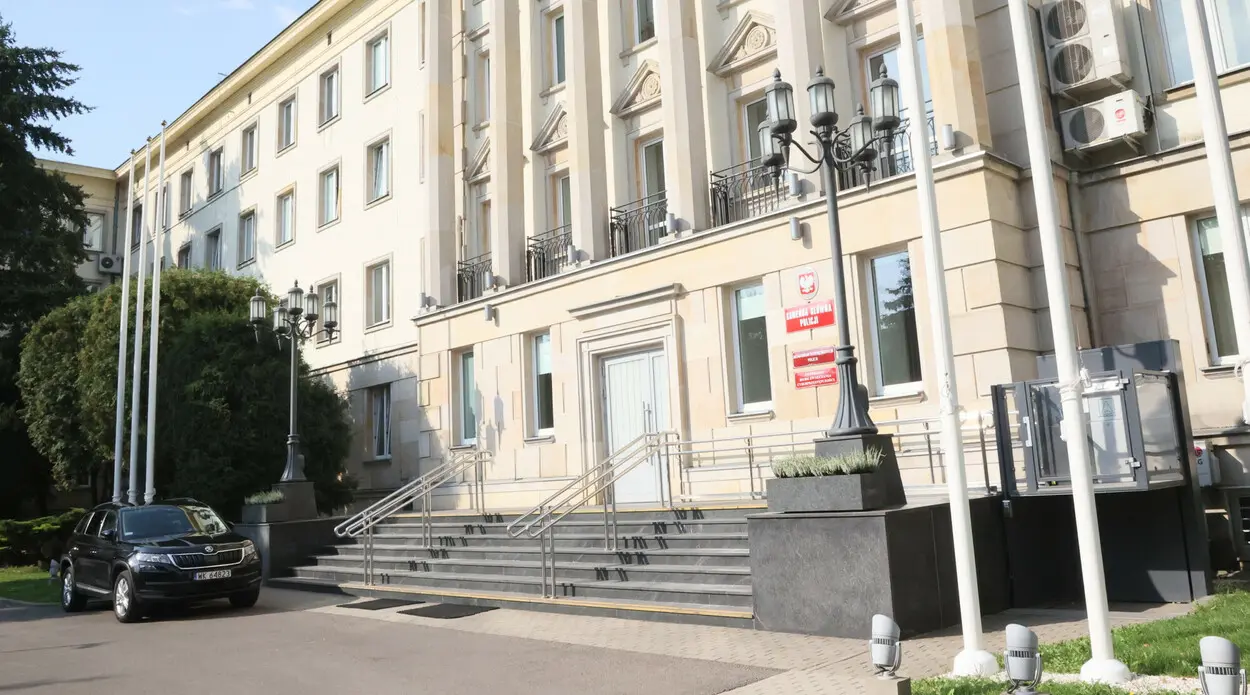
UOKiK’s control showed that on the Polish art market, worth hundreds of millions of PLN, Wild West rules have prevailed for years. The regulator decided to put an end to this and scrutinized the five largest institutions in the country: Desa Unicum, Sopocki Dom Aukcyjny, Dom Aukcyjny Polswiss Art, Agra Art and Rempex. The investigative proceedings aimed at a meticulous verification of the contract templates, regulations and complaint procedures in use.
The Office firmly called on these entities to immediately change practices that violate collective consumer interests or contain prohibited clauses. The result of the decisive UOKiK President’s decision is the final elimination of all irregularities, but the behind‑the‑scenes actions may surprise even seasoned market players.
See also: Price fixing in Polish stores. UOKiK President: “Five years of overpaying”. Check if you lost money
Hidden employee, i.e., artificial price inflation
The most controversial practice involved a mechanism that MMO players would call the presence of hidden bots inflating prices in the digital economy. It concerns the so‑called guaranteed price, a strictly confidential minimum amount agreed between the seller and the auction house, below which an item simply cannot be sold. The UOKiK President’s analysis shows that four of the five controlled entities (Desa Unicum, Sopocki Dom Aukcyjny, Agra Art and Rempex) guaranteed themselves in official regulations the right to actively participate in their own auctions.
Auction house staff, posing as ordinary customers, bid up to the guaranteed price, sometimes even outbidding their own previous offers. From the perspective of modern economics this is a pure illusion of demand, reminiscent of stock market wash trading.
To ensure consumers are not misled, we asked auction houses to cease the practice of inflating prices to the guaranteed price. Buyers at auctions might not know they were bidding against auction house staff. Each overbid could be treated by them as genuine interest in the work and a real offer to purchase it. This could completely change auction dynamics and artificially model the prices of listed items\
- explains UOKiK President Tomasz Chróstny.
Such actions distorted the picture of genuine interest and artificially inflated final prices.
See also: UOKiK strikes at a giant. 15.3 million PLN fine and refunds for affected customers
Catalog scrutiny and the end of avoiding responsibility
The regulator examined not only the auction process itself but also several other provisions that severely impact customer interests. The office raised concerns about unlawful restrictions or complete exclusion of auction houses’ liability for hidden physical and legal defects of objects, as well as for errors in catalog descriptions.
Moreover, the possibility of changing auction terms after it has started, withdrawing objects by the auctioneer without providing valid reasons, or the possibility of re‑running an auction after a so‑called “re‑bid” was questioned. UOKiK also challenged incorrect deadlines regarding the right to withdraw from a contract and the filing and handling of complaints.
It is commendable that the entire Big Five – Desa Unicum, Sopocki Dom Aukcyjny, Dom Aukcyjny Polswiss Art, Agra Art and Rampex – fully cooperated with the Office and promptly adapted to the UOKiK President’s remarks.
See also: Bolt shifts responsibility onto consumers even when they are not at fault? UOKiK accuses the carrier
Source: UOKiK