Below we explain why the coffee roasting model only after an order is placed changes the game – and why this trend is worth understanding whether you’re a coffee lover, entrepreneur, or simply observing the evolving habits of Polish consumers.
The coffee market in Poland – numbers worth knowing
The coffee market in Poland is one of the fastest-growing segments of the food industry. The average Polish person drinks over 90 liters of coffee per year, and the bean and premium coffee segment is consistently growing at the expense of ground and instant coffee.
Concrete changes in behavior drive this trend:
- Increased consumer awareness – more buyers read labels and ask about roast date, not just price.
- Boom in coffee equipment – Poles are mass‑investing in pour‑over, automatic machines, and accessories for alternative methods.
- The third wave of coffee – coffee stops being an anonymous "wake‑up" product. It becomes a taste experience that can be consciously chosen.
The result is a dynamic rise in the number of small, artisanal roasteries. Consumers ask less often "what brand" and more often "who roasted it and when".
The model that changes everything: coffee roasted only after the order
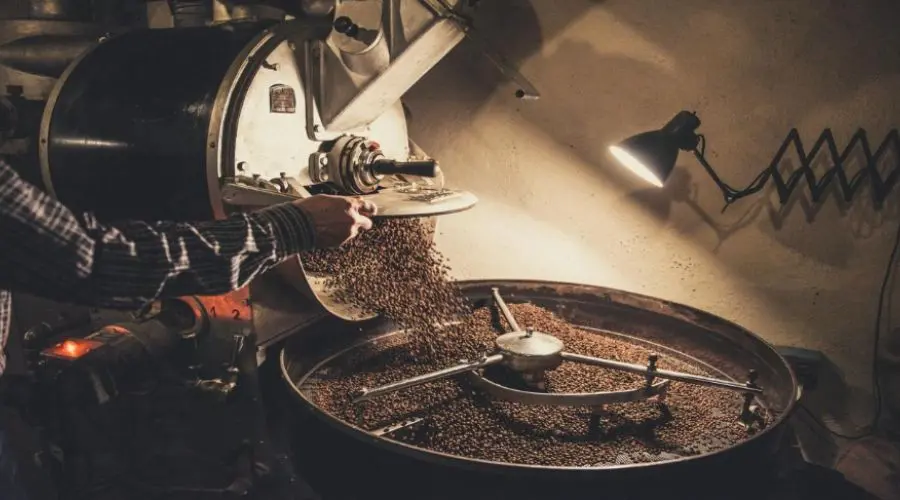
Most roasteries – even artisanal ones – roast coffee in advance and keep the finished product in stock. Ritual Coffee does the opposite: the order comes first, and only then does the entire process – roasting, packaging, and shipping – begin.
This key difference directly translates into cup quality.
Why does freshness matter so much? After roasting, coffee is a living product – it loses aromas almost immediately upon contact with air. Essential oils oxidize, sweetness disappears, and depth of flavor diminishes. Coffee from a supermarket that has sat in a warehouse for months and on a shelf for weeks before reaching you tastes exactly as if it had been sitting – heavy, bitter, lacking character.
Industrial dark roasts are not accidental – they’re a way to hide flaws and age of the bean. Coffee from a manufactory roasted 48‑72 hours before shipping doesn’t need that camouflage.

Good specialty coffee doesn’t taste only bitter
Many people are surprised at first contact with freshly roasted specialty coffee. Suddenly it turns out that coffee can be naturally sweet. It can have chocolate, caramel, tropical fruit, or citrus notes – without any added aromas or additives.
This is the result of bean quality and precise roasting, not marketing.
Each bean behaves differently and requires an individual approach:
- Ethiopia – light, floral, with tea and citrus aromas.
- Brazil – nutty, chocolatey, mild, and well balanced.
- Honduras coffee – excellent balance of sweetness and gentle acidity, rich cocoa, nut, and vanilla notes. Grown at 900‑1260 m above sea level in the San Pedro de Copán region, it holds an SCA certificate above 82.5 points.
Small roasteries work on smaller batches precisely to extract the best from each bean. There’s no room for a single universal roast profile for all raw materials.
Customers ask about roast date – not price
This is one of the biggest changes in the Polish coffee market over the last decade.
The conscious coffee consumer today:
- checks the roast date on the packaging (not the expiration date),
- asks about the country and region of origin,
- is interested in the processing method (washed, natural, honey),
- invests in a burr grinder and brews coffee right before drinking.
And very often – after that first truly good cup – they don’t want to return to what they drank before.
Why artisanal manufactory wins against big brands?
In a large production plant, priorities are clear: scale, durability, uniformity. The product must be identical in every batch and survive months in the supply chain.
In a manufactory, the logic is reversed. The priority is taste – here and now, in a specific cup, for a specific customer.
The "roast‑on‑demand" model used by Ritual Coffee manufactory eliminates storing finished product. Coffee doesn’t wait. The customer places an order, the bean goes into the oven, and the finished package goes straight to the door. This production philosophy is impossible to apply in large corporations – but it’s what determines the difference in flavor.

How to store freshly roasted coffee to preserve its quality?
Even coffee roasted 48 hours ago will lose its potential if stored poorly. The four main enemies of coffee are: oxygen, moisture, light, and high temperature. A detailed guide on this topic can be found in the article which coffee is best for a machine – but here are a few absolute basics:
- Original packaging with a reversible seal – it lets CO₂ out but blocks oxygen in.
- Dark, dry cupboard – away from the oven, sink, and direct sunlight.
- Not in the fridge – coffee absorbs odors like a sponge, and condensation after removal destroys bean structure.
- Grinding just before brewing – the contact surface of ground coffee with oxygen is thousands of times larger than whole beans. That makes a huge difference in the cup.
Good coffee starts much earlier than in the machine
Many people look for the perfect machine, believing that the equipment makes the coffee. The truth is simpler: even the most expensive machine won’t rescue old, poorly stored beans.
The most important thing will always be the bean and its freshness. That’s why more consumers consciously seek a roastery that will deliver coffee prepared specifically for their order – not a product that has been waiting on a shelf for weeks.
Coffee is a fresh product. And that’s when it tastes best.