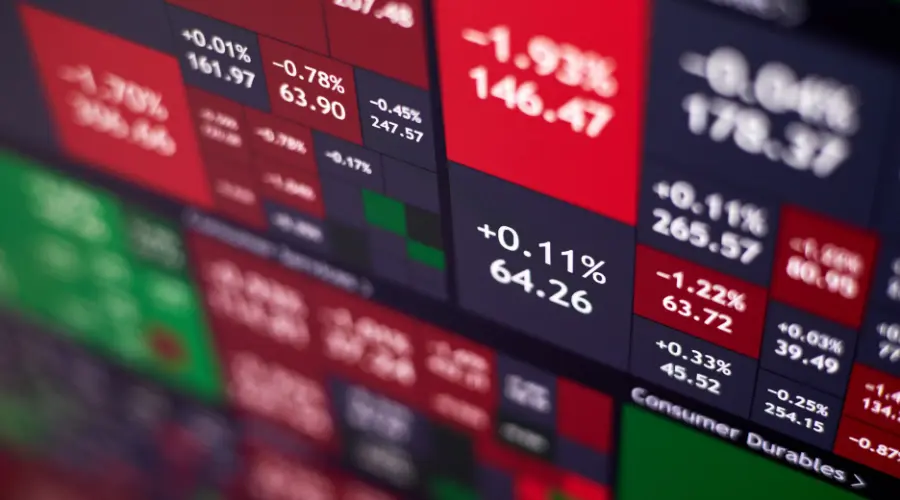
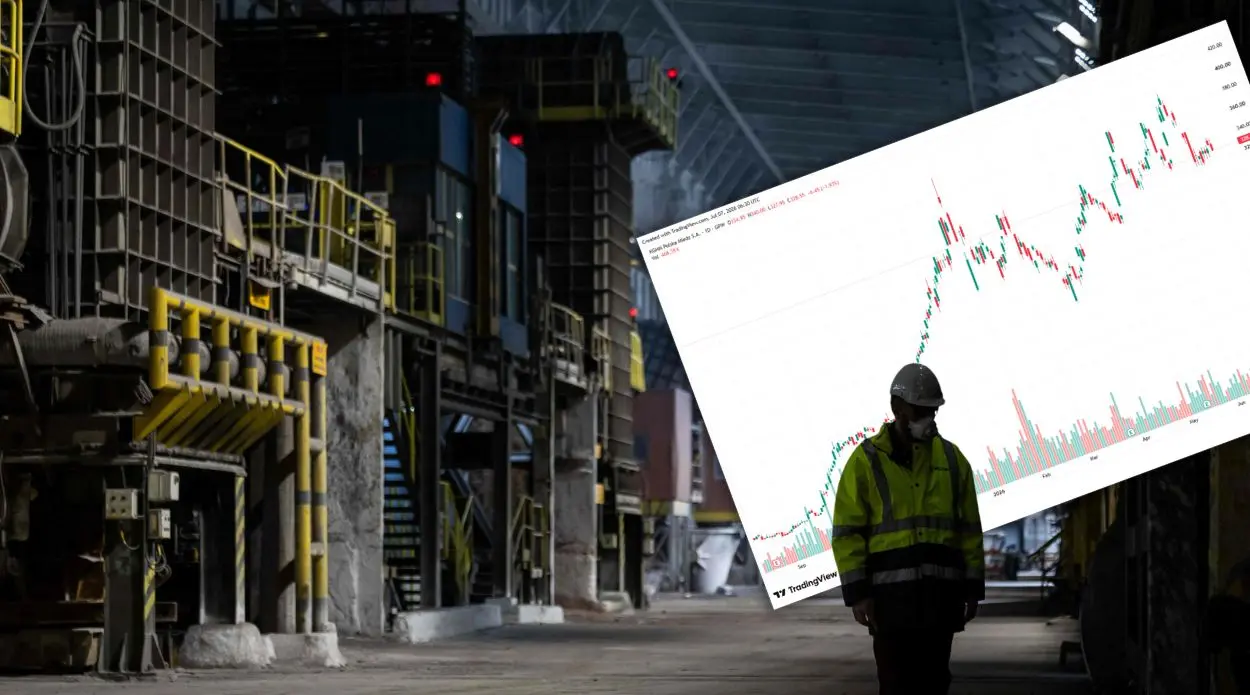
Ultimately, the WIG20 fell 1.01% on Thursday, the mWIG40 0.18%, while the sWIG80 dropped 0.57%. Among the blue chips, 19 companies slipped, and only KGHM managed to finish above the line, with its shares rising symbolically by 0.35%.
The Thursday weakness on the Warsaw Stock Exchange was not an isolated case – in the rest of the Old Continent we also observed declines exceeding 1% for many indices. An important event on the domestic scene was Adam Glapiński’s conference after the RPP meeting.
The NBP president suggested that the condition for raising interest rates would be inflation exceeding the upper band of the target deviation and staying above that level for an extended period.
Such a scenario would require a permanent blockade of the Strait of Hormuz, which is definitely not our baseline scenario. Therefore, we maintain our assumption that the reference rate will remain unchanged until the end of 2026.
Declines after Record Gains on Wall Street
Meanwhile, on Wall Street, after Wednesday’s record-setting rally, a moment of mild cooling arrived. At the close, the S&P 500 fell 0.38%, the Nasdaq 0.12%, and the Dow Jones Industrial Average 0.63%.
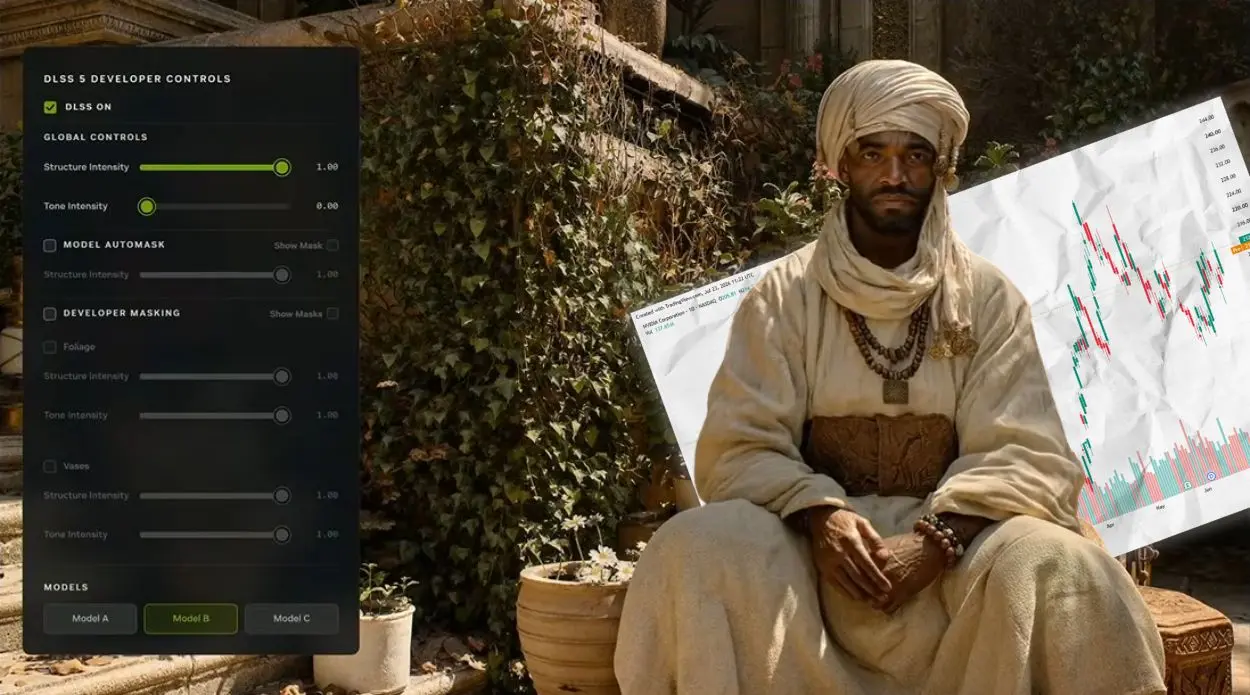
After an impressive series of gains, the semiconductor sector came under pressure – Intel shares fell 3%, and AMD 3.07%. Nvidia, however, emerged as a defensive play, with its price rising 1.77%. The rebound scale in the chipmaker sector is impressive – since the beginning of April, the Philadelphia Semiconductor Index (SOX) has gained almost 50%.
This growth momentum raises justified concerns about a short‑term correction. Investors remain focused on the ongoing conflict in the Middle East. There has still been no breakthrough in the peace agreement between the US and Iran.
Instead, in the Strait of Hormuz, hostilities resumed. The United States carried out attacks on Iranian military targets after Iran fired upon US Navy destroyers passing through the Strait of Hormuz. As after the Monday incident, the White House maintains that the ceasefire remains in effect.
At the time of writing, Asian markets are dominated by a red color. The Hang Seng is down about 1%, while Japan’s Nikkei is about 0.3% below the line. Futures on European indices suggest a continuation of Thursday’s discount.
Today, in addition to further reports from the Middle East, the focus will be on monthly U.S. labor market data, which, according to preliminary forecasts, should be weaker than March. The University of Michigan consumer sentiment report, which reached its lowest level since 1952 in April, may also generate significant interest.