Wall Street and Europe Make Gains. SpaceX Debut and Iran Pact Drive Markets
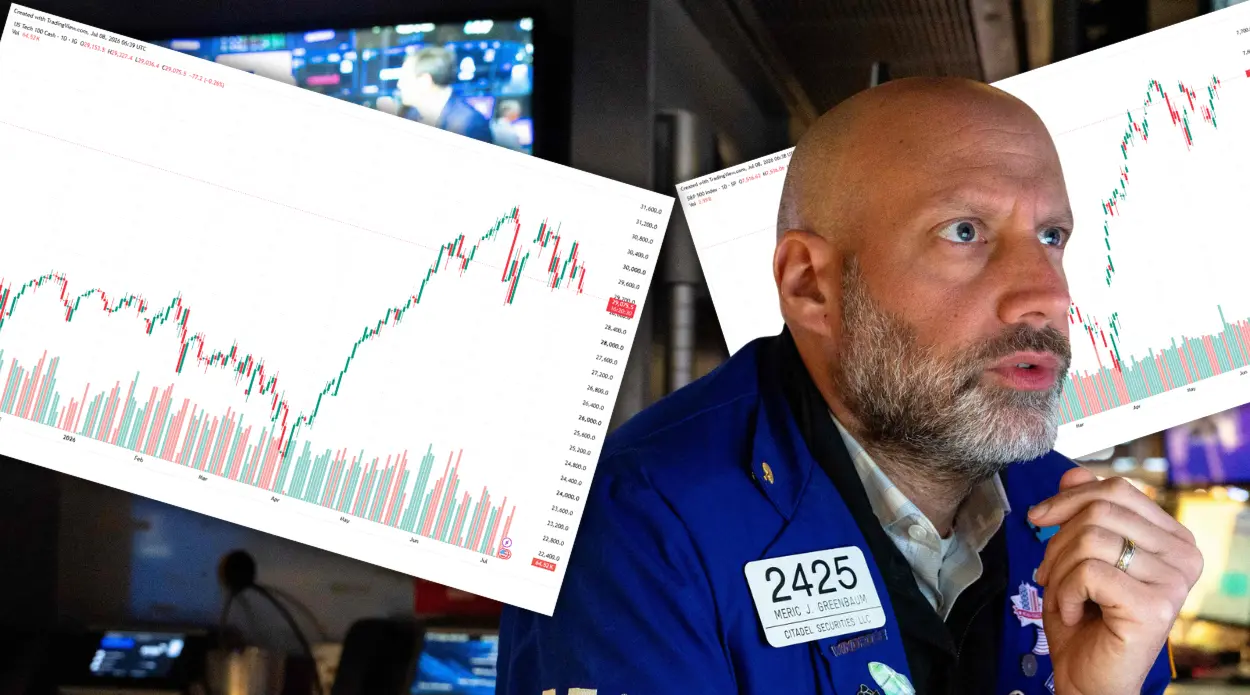
Additional support for the market came from persistent expectations around the development of the artificial intelligence sector and the highly successful SpaceX IPO, which became one of the main topics of the week. As a result, the major indices ended the week on a positive note – the S&P 500 and Nasdaq recovered earlier fluctuations, and Friday’s session delivered further gains supported by falling oil prices and improved risk appetite, although weekly gains did not exceed 1%.
In Western European markets the situation was even better. The STOXX Europe 600 index rose about 1.7% over the week, and investors welcomed both the drop in energy prices and growing hopes for de-escalation of the conflict in the Middle East. A key event was also the decision by the European Central Bank to maintain a hawkish stance on inflation. Banks, tourism companies, and airlines performed particularly well, benefiting from the prospect of lower fuel costs. The French CAC 40 ended the week with clear gains (+1.6%), and European indices approached historic highs, making up for earlier losses related to geopolitical concerns and oil prices.
Warsaw Leads Gains. WIG Gains 3%, but Small Caps Lag Behind
The situation in Warsaw looked even better, where after initial uncertainty, the rest of the week proceeded decisively under bull market conditions. The WIG index gained as much as 3%, but with a narrower market breadth.
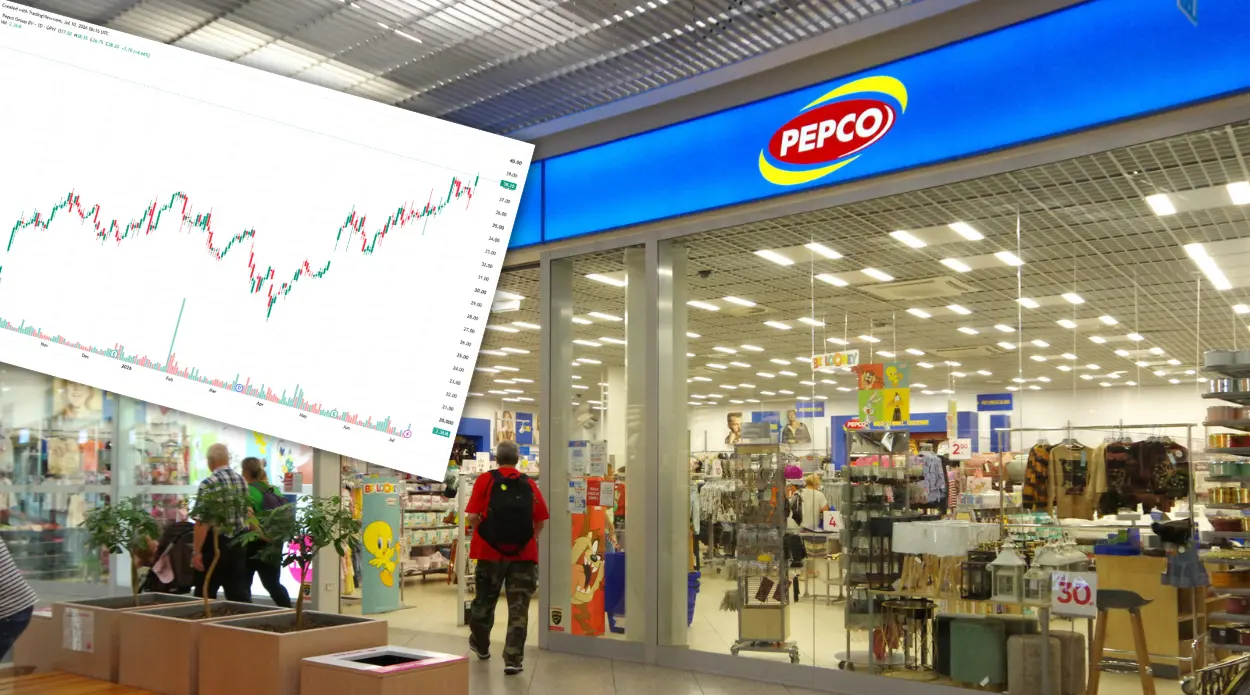
This gain was driven primarily by global purchases focused on WIG20 and partly on mWIG40, while sWIG80 lost 1.5%. Among large companies, banks performed very well despite negative comments from the EU Commissioner regarding SKD. The results were led by the two largest apparel companies – LPP and Modivo.
LPP reported good results, but concerns about a slowdown in Sinsay’s development left a mark on the share price, which fell almost 5% over the week. In the case of Modivo, a slightly better-than-expected reading was enough to lift the shares by nearly 9%.
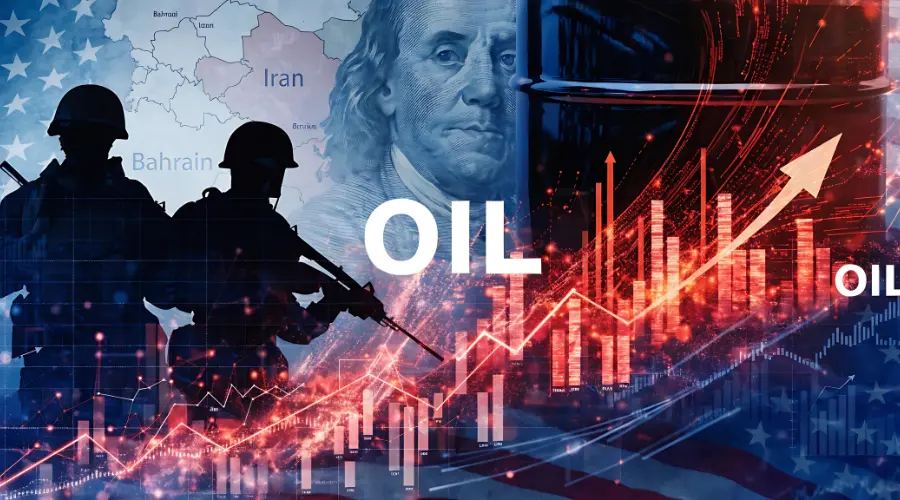
This week’s first key market sentiment driver is the information about peaceful conditions in the Middle East. The memorandum, which is to be in effect for 60 days, is scheduled for signing on June 19 in Switzerland, and the deputy Iranian Foreign Minister Kazem Gharibabadi confirmed the existence of preliminary agreements, such as opening traffic through the Strait of Hormuz.
From macro data, the most important should be those on industrial production and retail sales from the two largest economies in the world – the USA and China. The most important event in monetary policy will be the FOMC meeting – the decision on rates (likely unchanged) will be announced on Wednesday, and the market will focus on new macro projections from FOMC members and the post-meeting conference.