It was supposed to be beautiful and modern – you order a self-driving car through an app, hop in, and drive stress‑free to your destination while neural networks continuously analyze every meter of road.
Houston, Houston! We have a problem!
Reality turned out to be brutal and technological dreams were thwarted by technical problems.
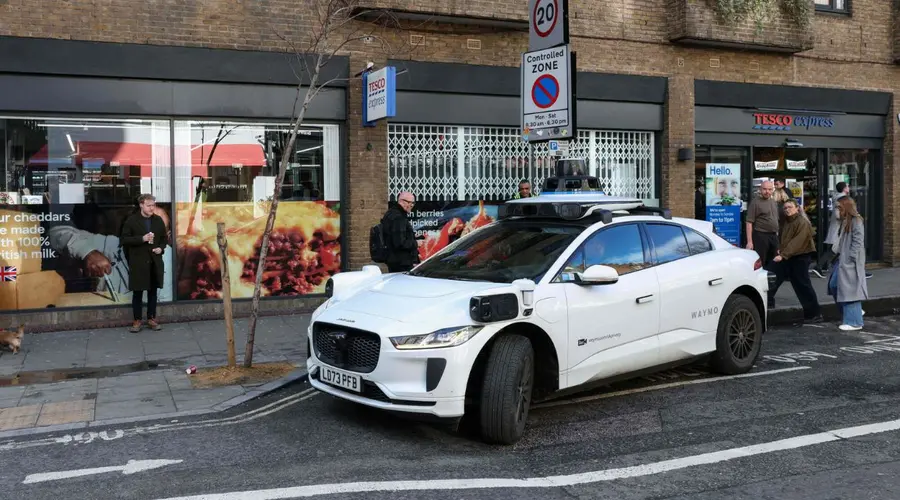
The Alphabet (Google) subsidiary Waymo had to suspend autonomous taxi services in all four U.S. cities: Houston, Dallas, San Antonio and Atlanta. Cars completely fail to handle heavy rains and flooded roads. The fleet block decision was made only a week after the company announced an official software maintenance operation aimed at fixing the issue.
Last Wednesday, an unmanned Jaguar I-Pace crashed straight into a flooded street in Atlanta and was stuck there for almost an hour. The vehicle was eventually removed by the company, but before that, the helpless robotaxi blocked traffic, amplifying driver frustration. Waymo representatives told the media that the downpour was so sudden it flooded the intersection before the National Weather Service could issue an official warning of a so‑called flash flood.
And that’s exactly the basis on which autonomous taxi systems operate. In a statement, the company emphasized that “safety is the highest priority” and that the unmanned vehicle simply stopped safely in difficult conditions. It’s just a shame it stopped in the middle of the road and in a constantly enlarging, deep puddle.
See also: German automotive industry in trouble? Chinese expansion at our western neighbors
Ineffective updates and the vigilant eye of NHTSA
From a technological perspective, Waymo’s situation looks very weak. Admitting faults during a recent maintenance operation covering about 3,800 vehicles, Waymo openly confirmed that there is still no “final solution” for the flooded road problem. Instead, engineers released a software update that was supposed to impose geographic restrictions during periods of elevated flood risk on high‑speed roads. As the Atlanta case showed, these measures proved insufficient.
The issue is being closely watched by the National Highway Traffic Safety Administration (NHTSA). The regulator confirmed that it is aware of the Atlanta incident, remains in contact with Waymo, and will take appropriate action if necessary. For the company, this is a huge reputational blow, given that this is not the only bug developers have been fighting for months.
See also: European Commission will make another move toward vehicle electrification? Companies will be forced to comply
School buses and accidents, i.e., a long list of robotaxi sins
It turns out that the recent incidents of traffic blockage due to heavy rain are not the only blunders of the American autonomous taxi pioneer. Last year, media circulated footage of a robotaxi illegally bypassing stopped school buses. In response to the PR fire, the company implemented a software update. Unfortunately, the cars still broke rules around yellow buses.
The current capitulation of Waymo to weather whims causes significant market turbulence. The biggest beneficiary of robotaxi problems could turn out to be Uber Technologies (UBER). Although Uber heavily invests in partnerships with autonomous technology developers, delays in full commercialization by competitors like Alphabet play to its advantage.
NYSE investors see that the traditional Uber business model (based on human drivers) remains indispensable, especially when difficult conditions begin to appear on the horizon.
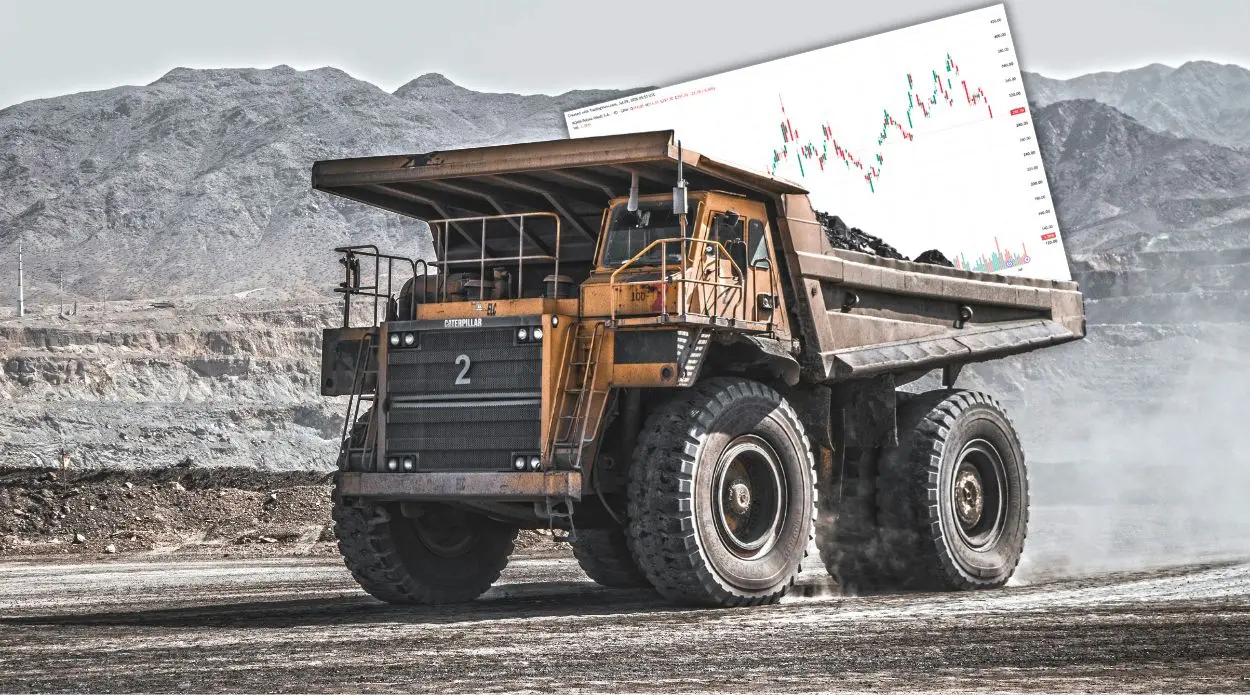
Uber Technologies stock price on May 22 (pre‑market data) rose by a modest 0.12% to a peak of 73.70 USD.
Chart. Uber Technologies stock price.

Source: TradingView
See also: Poles register more and more new cars. Low popularity of electric cars
Source: TechCrunch.