Diplomacy in a leather jacket – Huang joins the game
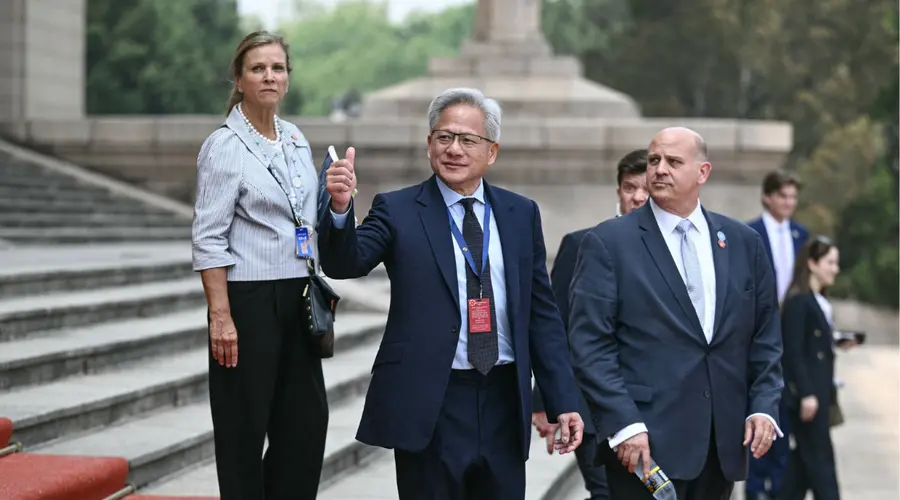
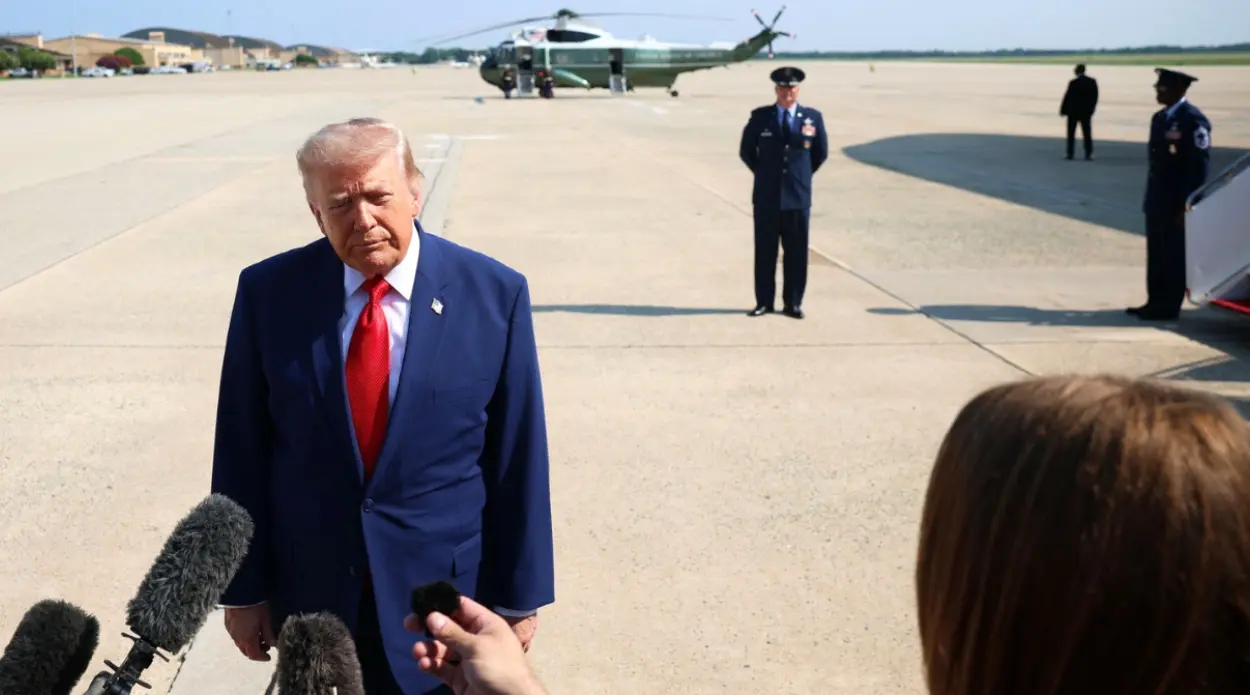
When the list of passengers traveling with President Donald Trump to Beijing was finalized, Jensen Huang was also included, which should not be surprising. The charismatic leader of Nvidia was invited by Trump at the last minute, joining the delegation during a stopover in Alaska. The U.S. administration sees the semiconductor sector not only as business but as a key asset in high-level negotiations. Huang, trying to save Nvidia’s dominance in the Middle Kingdom, bets everything on personal ties between Trump and Xi Jinping.
The stakes are huge, as Nvidia recently controlled about 95% of China’s advanced chip market and the country accounted for 13% of the company’s revenue. Today, amid restrictions, Huang openly admits that the company’s share of the AI accelerator market in China has fallen almost to zero. China has focused on diversification and has begun producing AI chips, mainly in cooperation with the U.S.-banned Huawei.
If the summit in Beijing does not bring a breakthrough, the world’s most valuable tech company could permanently fall out of the race for the Chinese AI market, which is estimated at an astronomical $50 billion this year alone.
See also: Nvidia, Intel and AMD stocks on the brink? AI devours the familiar industry
H200 on hold – billions of USD waiting in line
The situation around the H200 chips (currently the second most powerful unit in the “Green” portfolio) resembles a Godzilla vs. King Kong showdown. The U.S. Department of Commerce has already granted approvals to about 10 Chinese giants, including Alibaba, Tencent, ByteDance and JD.com. Each of these entities can purchase up to 75,000 H200 units directly from Nvidia or through authorized intermediaries such as Lenovo or Foxconn. The problem is that no delivery has yet been made.
Transactions are stuck in a geopolitical dead zone. On one hand, the U.S. sets tough conditions – Chinese customers must prove they have "adequate security procedures" and guarantee that the equipment will not fall into the hands of the military. On the other hand, Beijing has begun to employ a quiet resistance strategy. The Chinese central government, through officials and regulatory pressure, suggests domestic firms should refrain from purchasing U.S. equipment. It’s a brutal time game that gives local players like Huawei a chance.
DeepSeek loudly boasts of using Huawei chips, and for Nvidia this is the worst possible scenario – forced technological independence could lead to a competitive ecosystem that in a few years will be able to challenge the Hopper or Blackwell architectures.
See also: Nvidia shares (+1.75%) gain value, Microsoft (-1.34%) lose. Great U.S. economic data
Trump’s tax and logistics raising more controversy
The most astonishing element of this geopolitical‑technological puzzle is the agreement Huang was supposed to negotiate with Donald Trump. According to it, the U.S. would receive 25% of the revenue from chip sales to China. Since the law does not allow direct export duties, a bizarre mechanism was invented – every chip must physically pass through U.S. territory before shipping to China.
This solution provokes anger in the Great Red Dragon, as Chinese decision‑makers fear "interference" in equipment or the installation of hidden security holes during the forced stop in the U.S.
Huang is currently in a tight spot – he must satisfy Wall Street with company profits, deal with Trump’s protectionism, and convince Xi that his chips are not Trojan horses. The outcome of talks in Beijing will define the balance of power in the tech industry for the next decade.
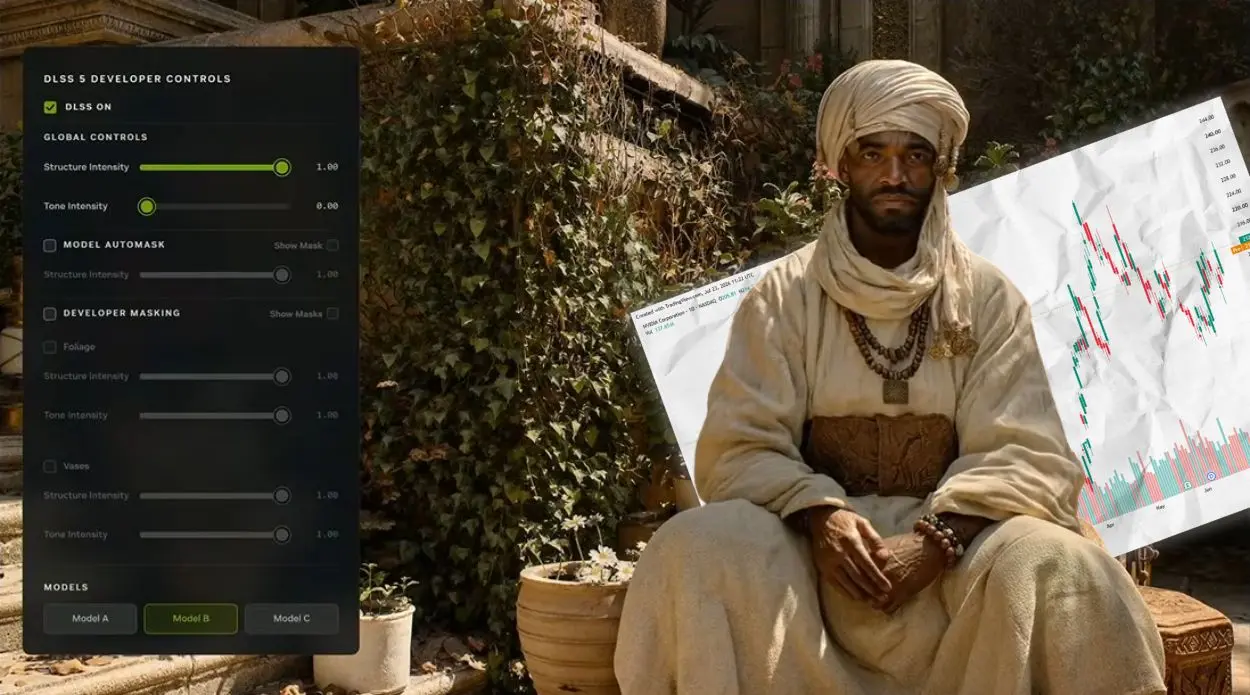
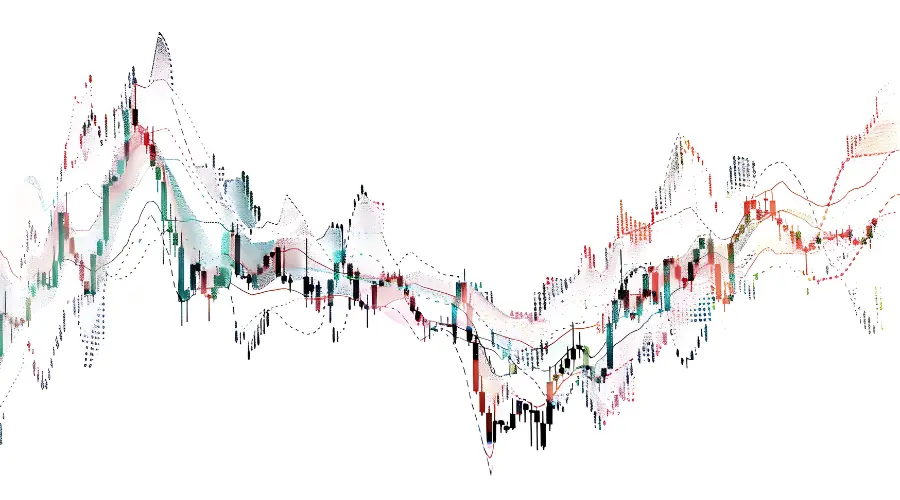
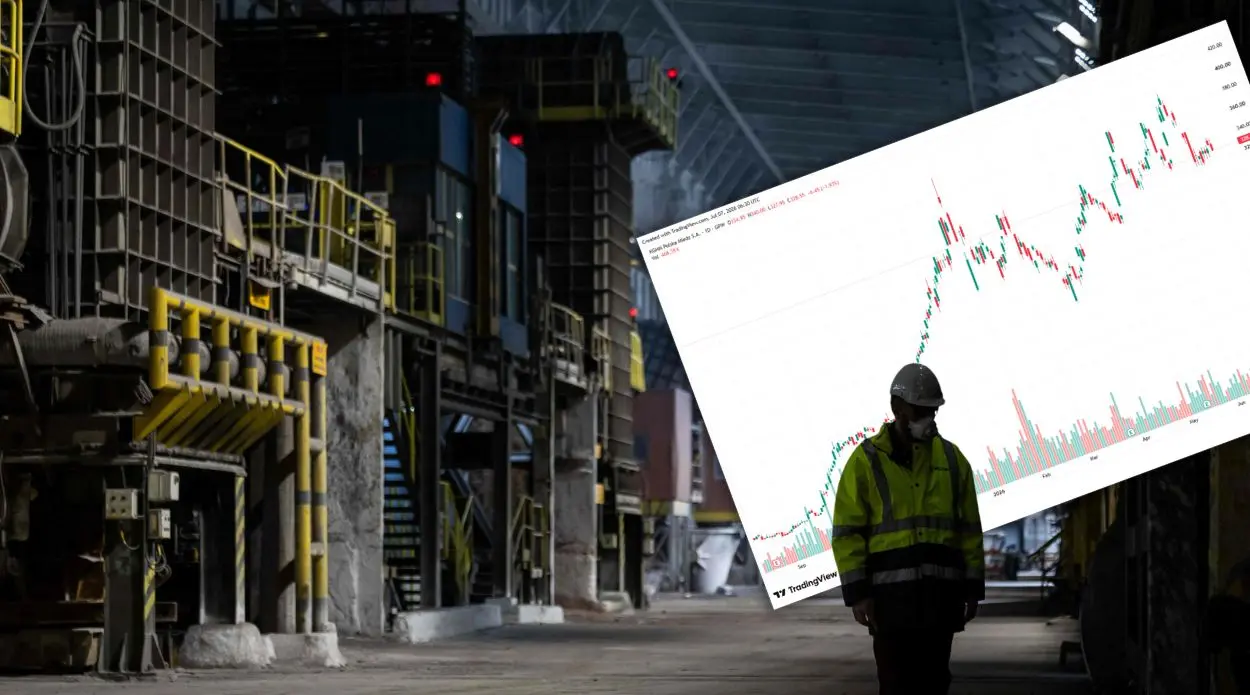
The price of Nvidia shares on May 14 will rise by 2.29% to reach $225.83.
Chart. Nvidia (NVDA) stock price

Source: TradingView
See also: Nvidia shares may soon cool down? Breakthrough info on H200 shipments to China
Source: Reuters