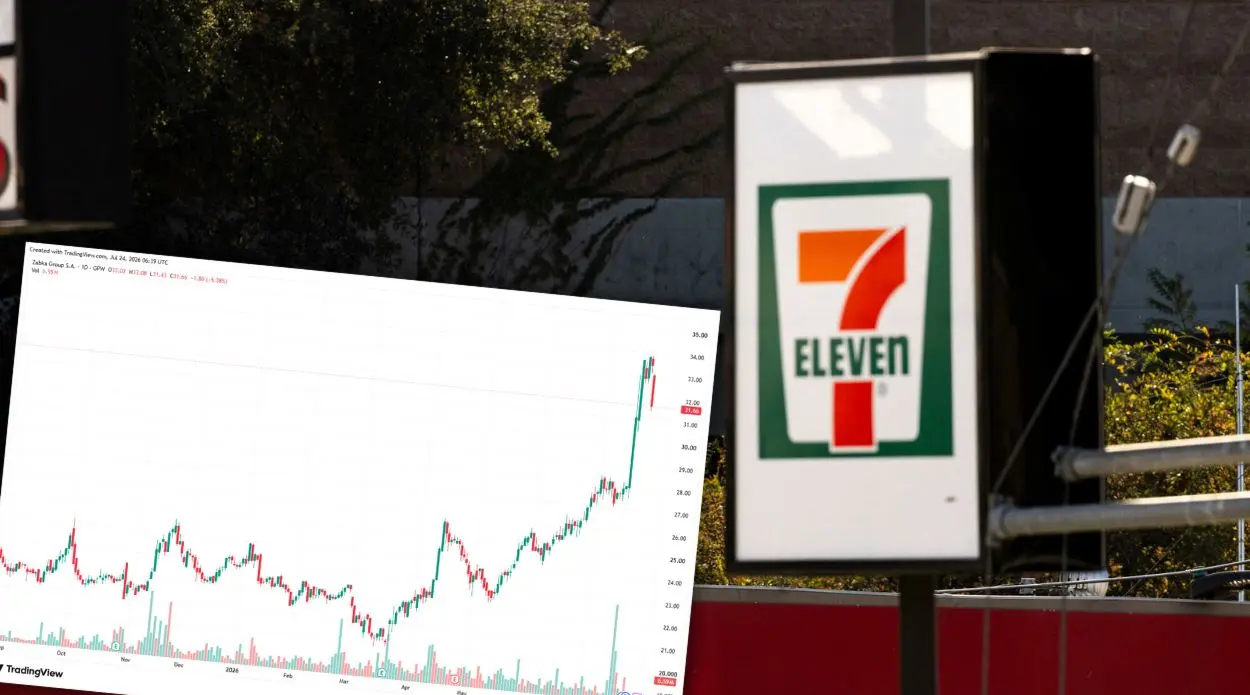
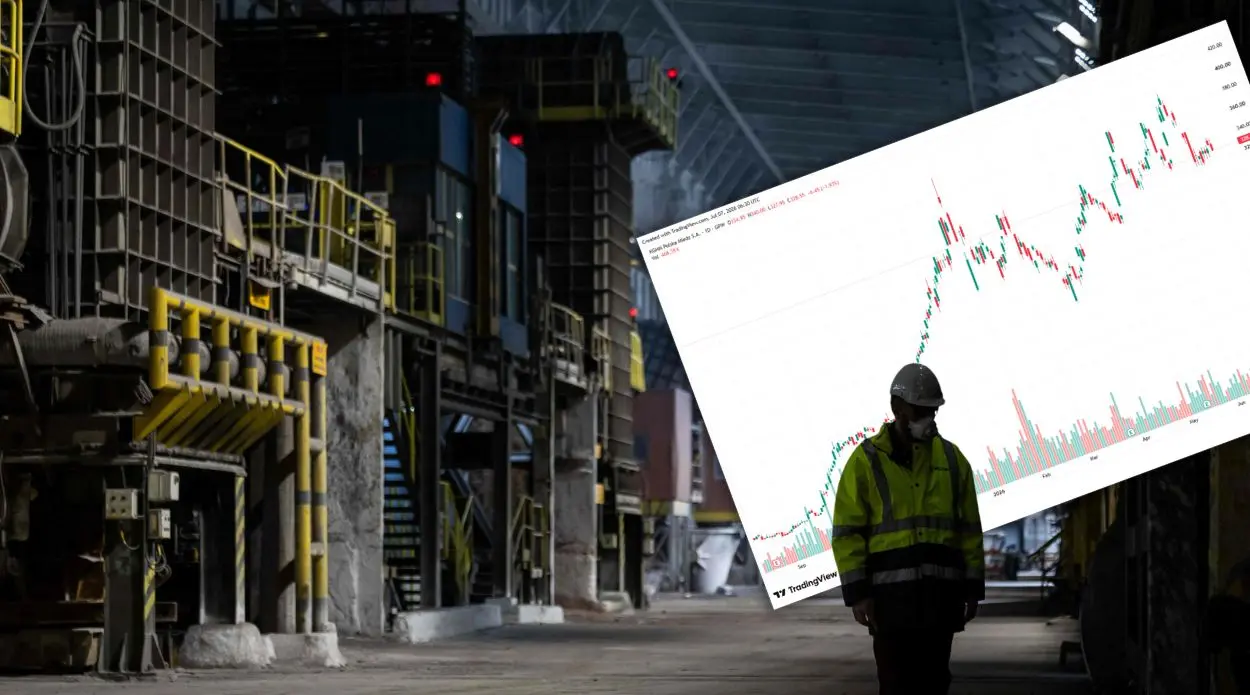
Among Polish blue chips, only four companies saw their shares rise. Of these, Kęty achieved the highest return, with published earnings estimates for Q2 receiving a very positive investor reaction. On the other side of the market were Modivo shares, which fell 3.60% in response to a target price cut in the DM PKO BP recommendation.
On Wall Street, the S&P 500 ended its fifth consecutive session in the red, losing a symbolic 0.05%. The technology Nasdaq was hit by a much larger discount, falling 1.09%.
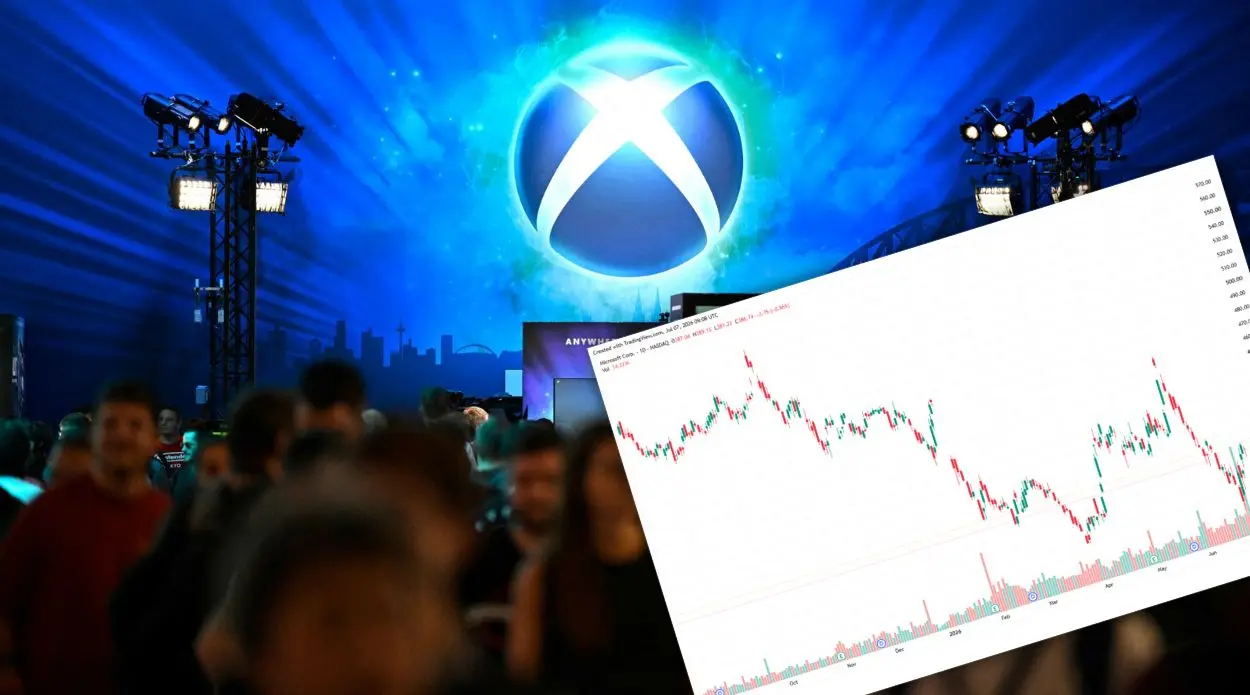
The very good Micron report published on Wednesday after the session was enough fuel for only Thursday’s session. In recent days, the context of price hikes for Apple and Microsoft products, driven by rising semiconductor market prices, has become increasingly important. It is hard not to notice the increasingly clear narrative that rising AI infrastructure costs may eventually slow investment in the sector.
On Friday, an additional burden for the entire AI-related segment came from reports by "The New York Times" suggesting that OpenAI may postpone its Wall Street debut to 2027.
OpenAI pushes back its major IPO on the exchange
The postponement of the public offer is to be explained by investment banks advising the company on the IPO. Among the main reasons cited is the recent increase in volatility of AI companies in the broad sense. It is worth noting that at the beginning of June, OpenAI filed a draft prospectus with the U.S. Securities and Exchange Commission, while the debut was originally planned for the end of Q3.
Meanwhile, in the Middle East, the weekend saw another unsettling rise in tensions along the USA–Iran line. After a prior incident in the Strait of Hormuz (a commercial ship was hit by a missile from the IRGC while deviating from its designated route), U.S. armed forces responded with a strike on Iranian military targets.
Thus both sides raised mutual accusations of violating an agreement reached a week earlier. The weekend exchange of blows has so far not continued. However, we note that such incidents will likely remain an integral part of the "Middle East landscape" in the coming weeks and months. Therefore, the drop in oil prices to pre-war levels is considered an overly strong reaction.
At the time of writing, sentiment on Asian markets remains mixed – about 2% of the year‑to‑date Hang Seng is gaining strongly oversold, while the current growth leaders, KOSPI and Nikkei, are losing about 2% and 1% respectively. Futures on European indices suggest an opening with slight gains. We expect the same after a weaker week on the Warsaw Stock Exchange.