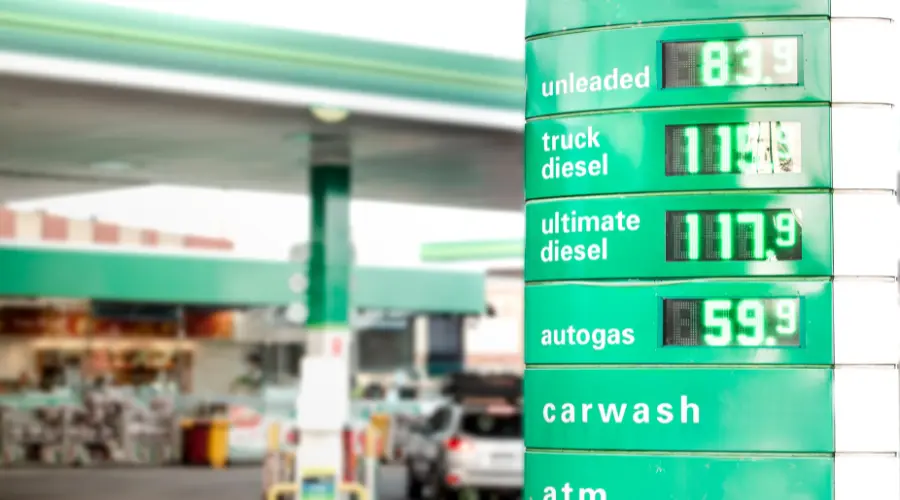
In terms of aviation fuel – the company’s business model assumes shifting most of the fuel price risk to the chartering party. A standard charter agreement is based on a seat price, which includes a base fuel price and a fuel surcharge indexed to current market levels.
Because the surcharge is calculated for the next month based on the average fuel price of the previous month, the company remains exposed to the risk of a sudden short‑term rise in fuel prices – this risk is mitigated through hedging.
The CEO also did not signal any problems with fuel availability at key airport hubs. In summary – we do not expect a material impact of the escalation of the conflict in the Middle East on the company’s volumes in the current year.
We do not rule out a certain negative impact on profitability, but at the current stage we assess it as limited. Importantly, some competitors do not hedge fuel costs, which could give the company a competitive advantage.
1Q26 Results Preview
In 1Q we assume about a 10% rise in aviation operations, with the momentum weighed down by a weaker-than‑expected March – resulting from the company’s exposure to the Middle East region, which led to a partial reduction in volumes. The company carried out additional ad‑hoc flights, which did not fully compensate for the earlier termination of part of the program by tour operators.
ENT uses hedging, which in our assessment effectively protected the company against spot price rises in aviation fuel. The positive valuation of open hedging instruments at the end of the quarter will be reflected in financial income and will partially offset negative foreign‑exchange differences related to leasing obligations.
As a result, unrealised foreign‑exchange differences from the balance‑sheet valuation – positive at PLN 101 million in 1Q25 – should reverse to negative (estimated about PLN 25 million). Weather conditions also impacted costs, notably aircraft de‑icing, which we estimate at about PLN 4 million – significantly above last year’s level.
Valuation and Key Risks
No material changes in our assumptions. We factored in higher aviation fuel prices alongside backwardation on the futures curve. At the same time we slightly revised down the assumed operational growth rate, reflecting the impact of higher prices on tour operator demand.
Fuel costs represent about 10% of the average tourist package price, so the prolonged period of elevated fuel prices may limit the growth dynamics of carrier capacity.
The company should, however, benefit from the competitive environment – some players do not hedge their aviation fuel exposure and may be forced to exit the market, which in the long run should support ENT’s market position.