Digital optimization that is supposed to bring millions of labor hours
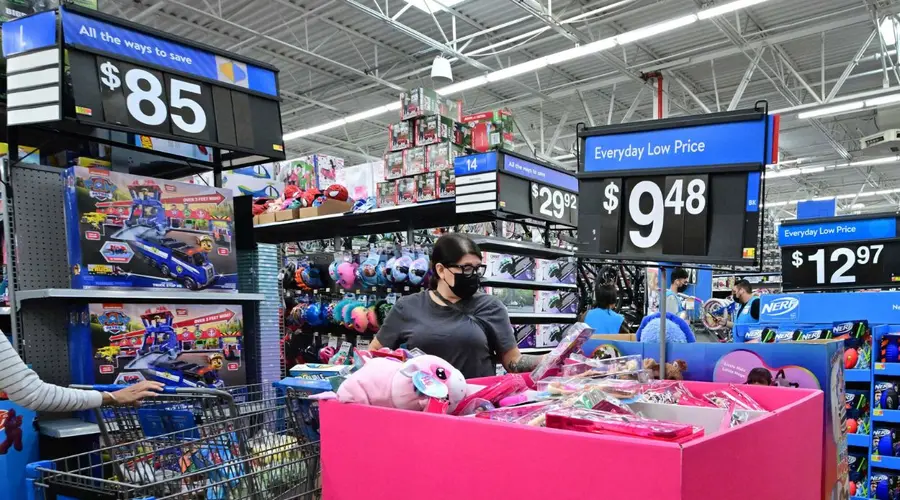
Digital shelf labels (DSL) are not a technological novelty, but Walmart was very attached to the analog standard of paper labels.
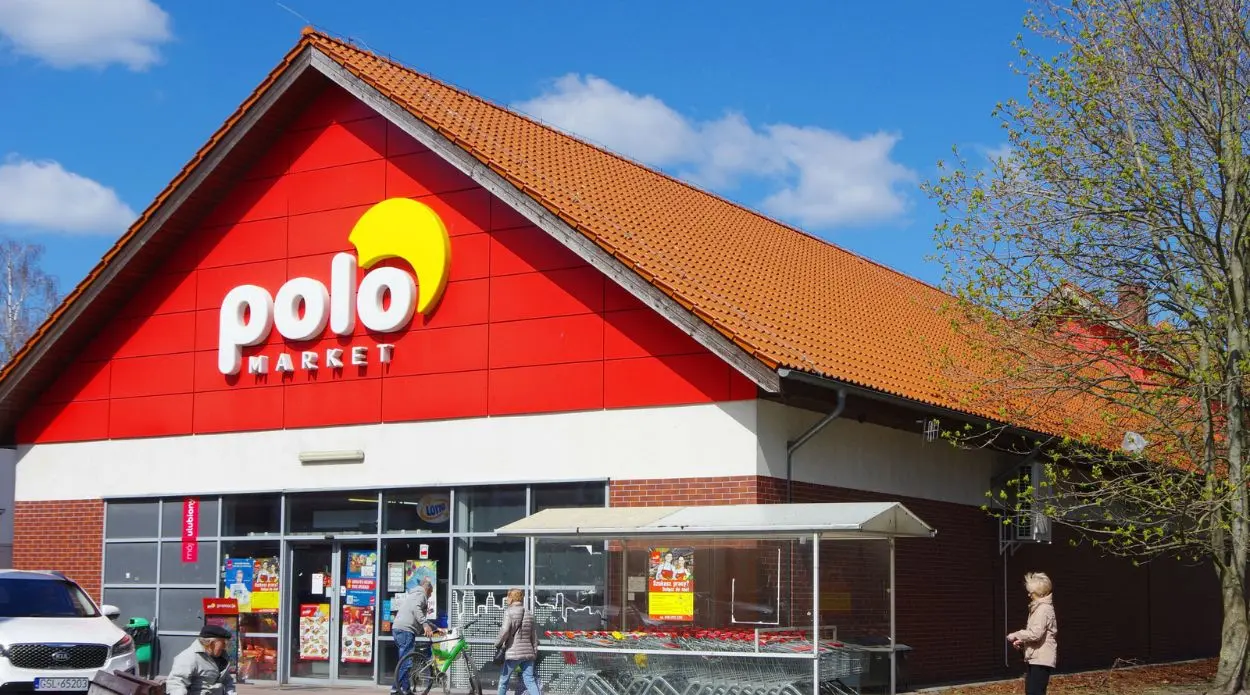
It should be noted that digital labels have been operating for over two years in the Lidl chain in Poland. In recent months Walmart ran tests of a new system – Amanda Bailey (team leader in Ohio) claims the new solution cuts the time spent on the tedious task of changing paper price tags by about 75%.
The leader adds that across the entire chain this amounts to millions of labor hours, translating into billions of USD in annual savings.
The system of digital labels is also meant to be a significant environmental relief, because printing labels in 4,600 stores required huge amounts of paper.
See also: The giant lost in court! The avalanche of problems has started. Pentagon blockade is just the beginning?
The specter of surge pricing and fear of change
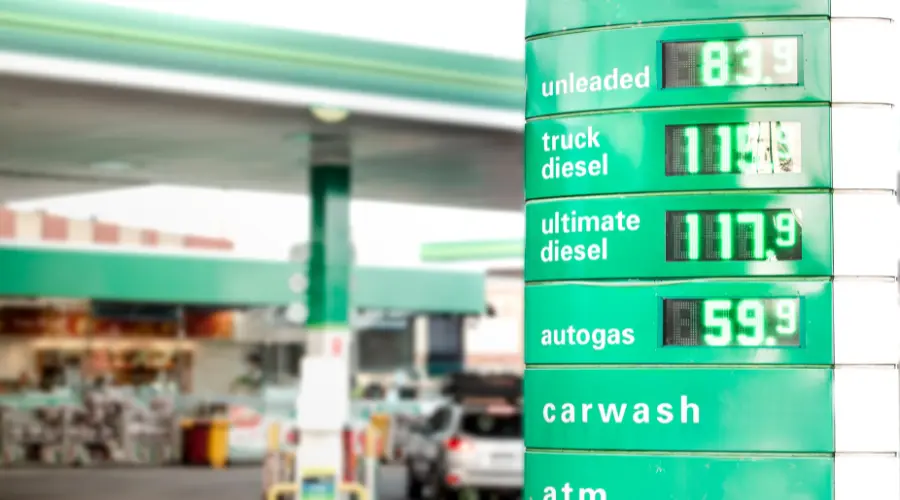
The current geopolitical situation means that the average American’s shopping is becoming increasingly expensive. The war in Iran, the blockade of the Strait of Hormuz, supply chain disruptions, and rising oil prices are causing some U.S. companies to introduce a special fee on oil‑dependent products.
American dissatisfaction is visible not only on charts and in spreadsheets but also on social media, where Americans post videos of high grocery prices.
For this reason, fear of introducing digital price tags is growing. The unstable geopolitical situation makes customers wary of surge pricing, i.e., dynamic price setting. The vision of a water bottle price rising on a hot day and falling before an approaching storm has become a real fuel for American politicians.
Although Walmart wants to finish digitizing shelves by the end of 2026, politicians intend to act.
Senator Ben Ray Luján and congresswoman Val Hoyle have decided to fight digital labels, pushing the “Stop Price Gouging in Grocery Stores Act” introduced in February this year. The bill proposes barriers and wide‑scale controls, including a ban on digital labels in grocery stores that do not exceed 10,000 square feet (about 930 m²).
Politicians argue that without strict restrictions and pre‑determined rules, corporations will sooner or later start exploiting legal loopholes to drain consumers’ pockets effectively and ruthlessly.
And all of this in real time using AI technology. It turns out that skeptical voices may have a lot of right.
See also: The global economy in trouble. The consequences of the war in the Middle East
Two patents that could change everything?
Walmart does not just intend to introduce electronic labels but also to completely change price setting in its markets. The United States Patent and Trademark Office granted the chain two patents in March 2026 – US‑12524778‑B2 and US‑12572954‑B2.
Both patents describe machine‑learning systems for automatic price setting.
Importantly, the diagrams of one of the patents clearly indicate that third‑party data can be used for price setting. The data to be considered include payment methods, customer identifiers, historical prices, and purchase history. Yes, that should raise concerns.
Interestingly, this type of dynamic pricing began to be tested by the PlayStation Store – players massively post screenshots on Reddit showing that the price in the PlayStation Store differs when logged in versus when browsing the store without logging into their account.
Cyberpunk reality, where prices are set not only based on global geopolitical events but also on your purchase history, is becoming increasingly real.
See also: Euro rate before solid rise. The bank talks about a “wave of positive sentiment”