






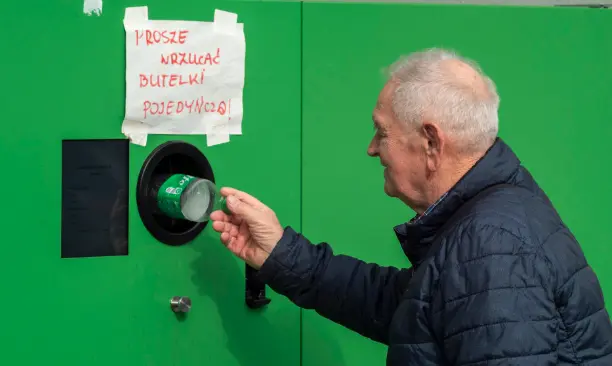


In a special letter to the head of government, its president Adam Abramowicz stresses that the system works very poorly, generating problems and costs for both entrepreneurs and consumers. – Moreover, it also produces a large CO2 emission, contradicting the main goal of its implementation, which is environmental care – notes the former spokesperson for small and medium enterprises.
"It has been six months since the deposit system was introduced in Poland. Before its introduction, we repeatedly addressed Ms. Minister Paulina Hennig-Kloska and Mr. Prime Minister, raising specific concerns about the draft law, and then about its implementation and operation. Our voice, as well as the concerns of other organizations, were not taken into account. We only received reassuring information from the Ministry of Climate and Environment that everything was under control and the system operated without objections. Unfortunately, reality looks completely different" – we read in the letter from the Employers' Organization, Chamber of Entrepreneurs.
– In the media, we immediately read reports about how strongly the deposit system hampers the lives of ordinary Poles and how it generates unjustified costs for the economy. Ministry of Climate and Environment officials, asked by journalists for specific data about the deposit system, such as the total amount of unreturned deposits, respond that they do not know and will only be able to provide the data after the end of 2026. This clearly indicates that the ministry has not implemented measures that would allow real-time monitoring of costs and system effectiveness – says Chamber of Entrepreneurs president Adam Abramowicz.
– It therefore seems – adds Dominik Marczyk, president of the Municipal Industry Chamber – that the creators of the Polish deposit system do not know: how much Poles paid in deposits, how many deposits were not returned, how much the entire system costs, or how much money has so far gone to system operators!
Entrepreneurs affiliated with the Employers' Organization, Chamber of Entrepreneurs, present in a letter to the prime minister an assessment of the deposit system after six months of operation. It is an assessment that calls for an alarm.
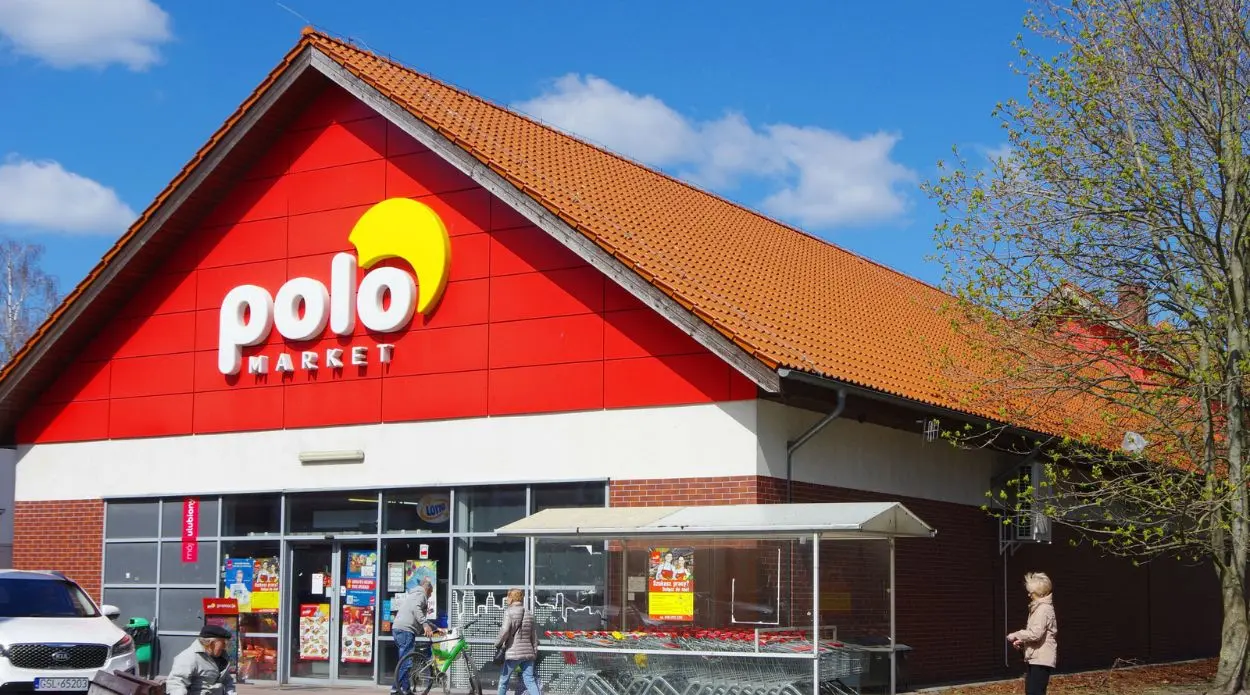
From the perspective of entrepreneurs operating in trade, Marek Theus, CEO of MerCo Sp. z o.o., owner of a chain of grocery stores in the Tricity, explains.
– First, not every package with the "DEPOSIT" mark is accepted by the operator's system. This leads to the cashier not being sure whether they can accept it if they do not personally check it via a dedicated app or via integration of the POS program with the operator's database. Moreover, if a package has the "DEPOSIT" mark but its code is not on the operator's white list, responsibility for acceptance falls on the cashier. Second, the system creates logistical and sanitary problems: collecting packages in grocery stores significantly violates sanitary-epidemiological regulations applicable to general grocery stores, because in practice it combines a food sales point with a waste collection site. Imagine how stored packages (especially cans) generate unpleasant odors. Third, there are frequent problems with settlements, payment bottlenecks, and frozen funds. The system also requires a large additional workload: acceptance, storage, handover, and settlement of packages. This translates into service costs, and manual collection at the register obviously slows down customer service and blocks sales – emphasizes Marek Theus.
Many entrepreneurs in the waste management sector also have concerns about the deposit system. Dominik Marczyk, president of the Municipal Industry Chamber, notes that there is currently a demand in the market for secondary raw materials sorted from waste, including household waste. Modern Polish companies have advanced technology that allows them to recover more raw materials for recycling. However, as a result of the deposit system, the most valuable raw materials are taken by the system operators, weakening the use of already modern facilities for recovering raw materials. – One must remember that these modern waste processing facilities, built for the 15-year-old source separation system in Poland, were effectively built with society's money: national and EU subsidies and part of the funds paid by municipalities to contractors for waste collection and disposal services. The deposit system weakens the potential of these facilities and causes the investments made in them never to be recovered – explains
The authors of the letter point out that this has a concrete impact on the cost of living for Poles. "If valuable raw materials are missing from the waste stream that currently ends up in the yellow bag/container returned by residents, and only troublesome and expensive waste remains, the waste processing facilities that sell secondary raw materials to recyclers must shift costs to municipalities to secure additional funds. This trend is already visible – the introduction of the deposit system causes drastic increases in waste collection across Poland. Meanwhile, the biggest profits from the deposit system are taken by the largest food conglomerates introducing drinks in single-use PET packaging" – we read in the OPRP letter to the prime minister.
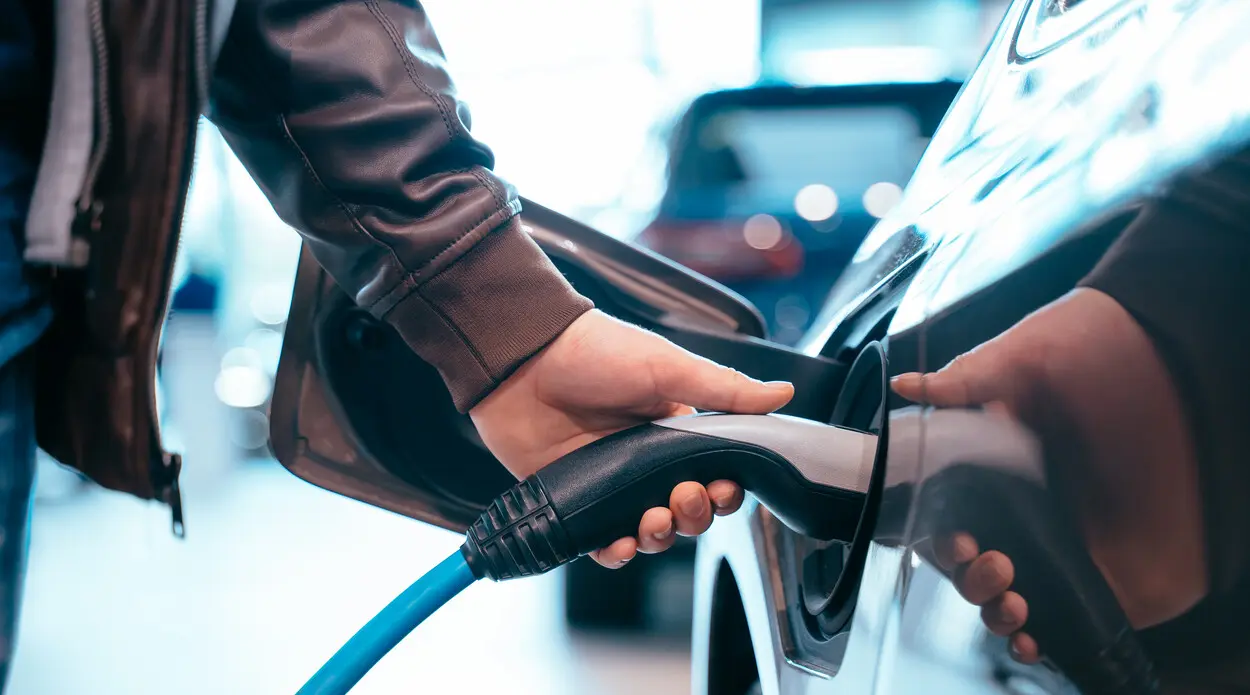
Even the main goal of implementing this system, namely environmental care, is not being achieved. Current regulations actually lead to a significant increase in carbon footprint through transporting waste via an alternative collection system, and largely through air transport (uncrushed bottles). The fuel used to transport waste to recycling centers by residents also matters.
– We were right to point out last year that the deposit system in the climate ministry's proposed formula is premature, inadequately prepared, costly, and inefficient. We warned that its implementation would cause organizational chaos and also increase burdens on entrepreneurs and consumers. We were not mistaken. Today, residents are already paying dearly for the introduction of the deposit system, and their costs will only increase. Therefore, we appeal to the prime minister to suspend the operation of this system, conduct an audit of its effects on entrepreneurs and consumers, analyze its effectiveness for environmental protection, and also to halt work on plans to include additional packaging in this system – summarizes Adam Abramowicz.