Taiwan’s “Woodstock of Artificial Intelligence”
There’s no better moment or more symbolic place to showcase power. GTC Taipei 2026 Conference, held alongside the Computex trade show (June 2-5), is not another dull corporate meeting for analysts. The Monday address by Jensen Huang (June 1, 11:00 local time, which is a ruthless 5:00 a.m. Polish time) has grown into the most important tech event of the year.
Nvidia’s CEO is not coming to Taiwan to show slides with a negligible improvement in chip energy efficiency. He intends to present a complete vision of the future—from server infrastructure, through physical AI and advanced robotics, to everyday consumer hardware.
Taiwan itself has become the absolute epicenter of the global AI supply chain, a green giant that seals this with astronomical investments of up to $150 billion per year and the construction of a Constellation campus. In close collaboration with TSMC and Foxconn, Jensen Huang is building an empire tightening the loop around traditional PC sector leaders.
See also: Nvidia Shares – What’s Next? Financial Results and Key Forecasts for Wall Street
Project N1X, a no‑holds‑barred assault on competitor territory
The biggest impact on the balance of power comes from what Nvidia will present for everyday users. The hottest market rumor that could soon become fact carries the codename N1X (or simply N1). It is supposed to be Nvidia’s first serious ARM SoC processor dedicated to laptops running Windows. The project, developed with MediaTek (responsible for the CPU) and manufactured by TSMC in 3 nm lithography, promises to be a true technological monster.
The specification is impressive—an integrated graphics system at the performance level of an RTX 5070, up to 128 GB of unified LPDDR5X memory, and unprecedented local AI algorithm processing power. A coordinated teaser from Nvidia, Microsoft and Arm announcing a “new era of PCs” (with geographic coordinates of Huang’s upcoming address) leaves no doubt.
This is a direct and brutal blow to Intel, AMD and Qualcomm, and a challenge to Apple’s M series in the high‑end AI PC segment. If these promises materialize, the current x86 giants could wake up in a completely new, extremely hostile reality. It’s worth noting that Nvidia’s CEO will also present the Vera Rubin architecture (the successor to the popular Blackwell).
See also: Record Nvidia, Record Expectations. The market tests the limits of the AI boom
Stock market mood swing, between “sell the news” and cosmic valuation
How will Wall Street react to such technological revelations? In the short term, market players may exercise considerable caution. Historical patterns from 2025 and 2026 clearly show that major presentations by Nvidia CEOs often triggered immediate profit taking, following the “buy rumors, sell facts” rule.
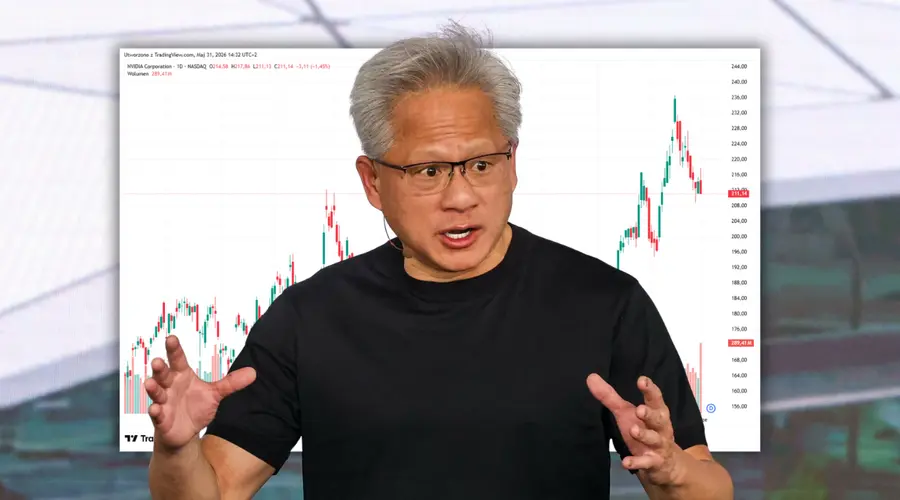
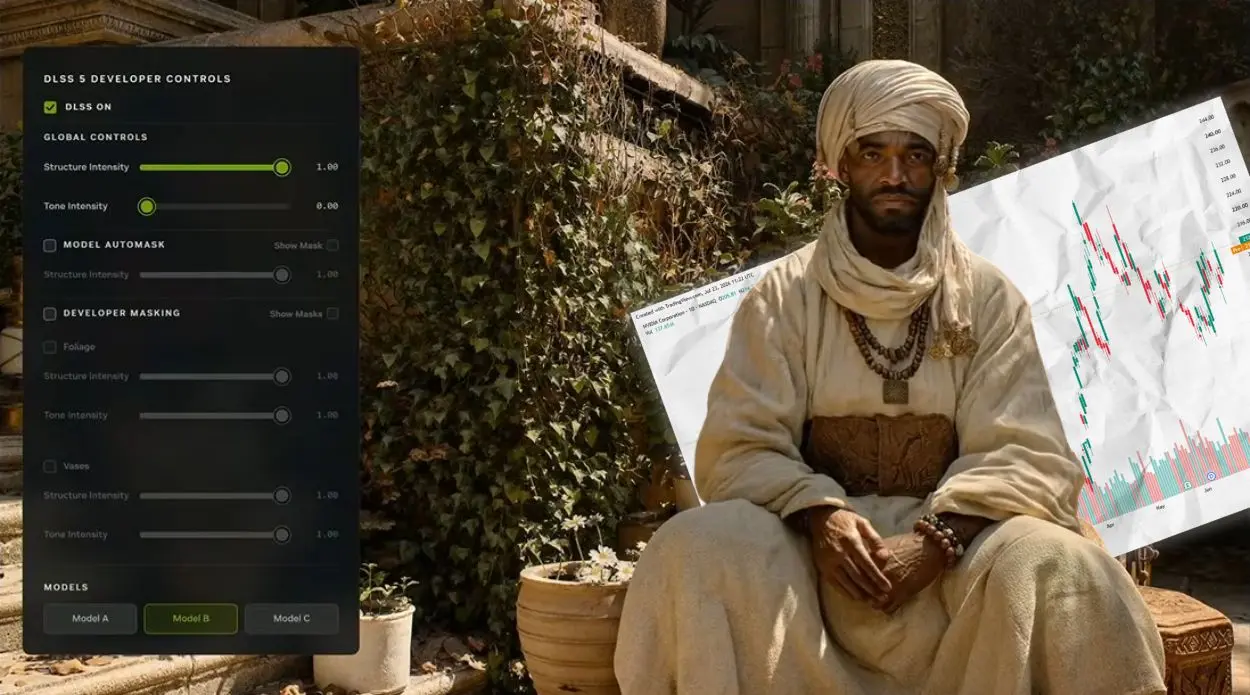
The market is sometimes tired of the AI hype, and Nvidia shares hover around $210‑$215 before the event.
Any stumble, lack of concrete release dates, supply‑chain calls or geopolitical risks in the Taiwan region could cause a temporary correction. However, in the medium and long term, Nvidia’s fundamentals look almost armored. Analysts maintain a strong “Buy” consensus with target prices of $290‑$305, indicating huge upside potential.
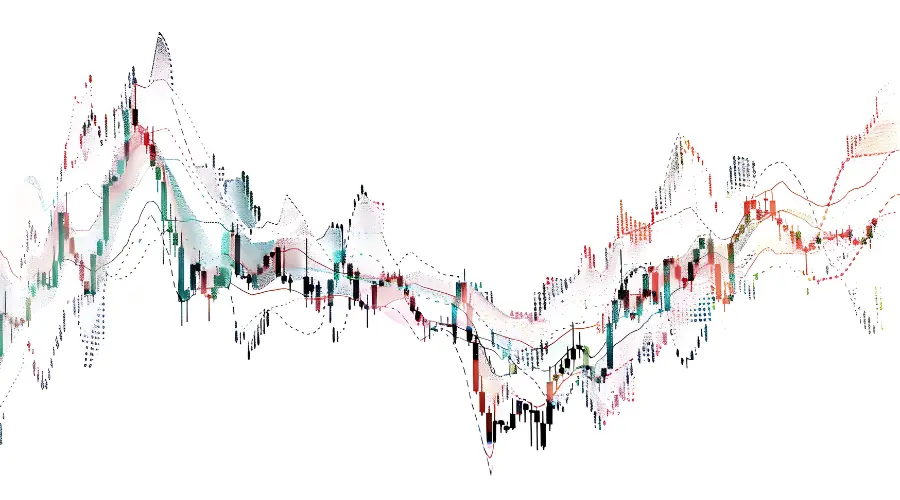
Chart. Nvidia (NVDA) stock price

Source: TradingView
See also: Nvidia Shares Before a Painful Fall? The Market Fears a New Tech Crisis
Source: TheVerge