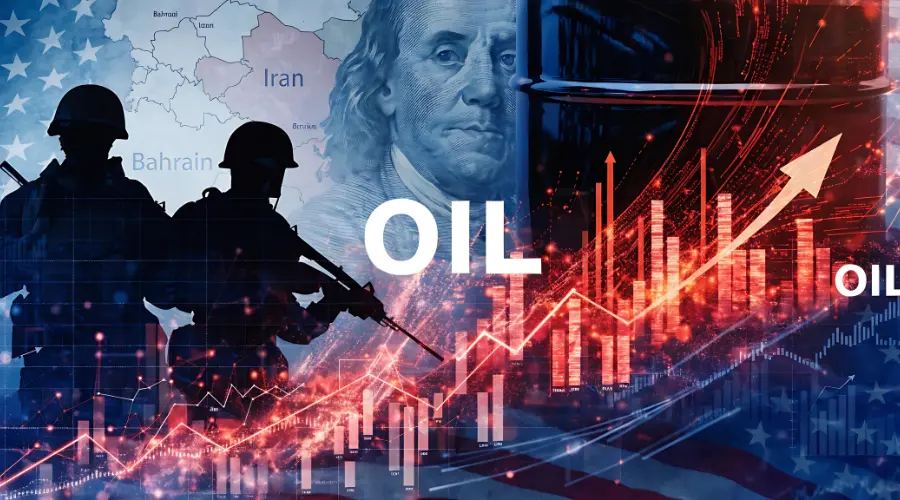
In Western Europe this eased pressure on the industrial and consumer sectors, but the scale of gains remained moderate due to ongoing uncertainty about the durability of the agreement.
Another factor limiting risk appetite was expectations regarding further Federal Reserve monetary policy. Subsequent statements from the agency were hawkish – they maintained a scenario of keeping high interest rates for an extended period, and even did not rule out another increase in the cost of money.
Correction in the Technology Sector
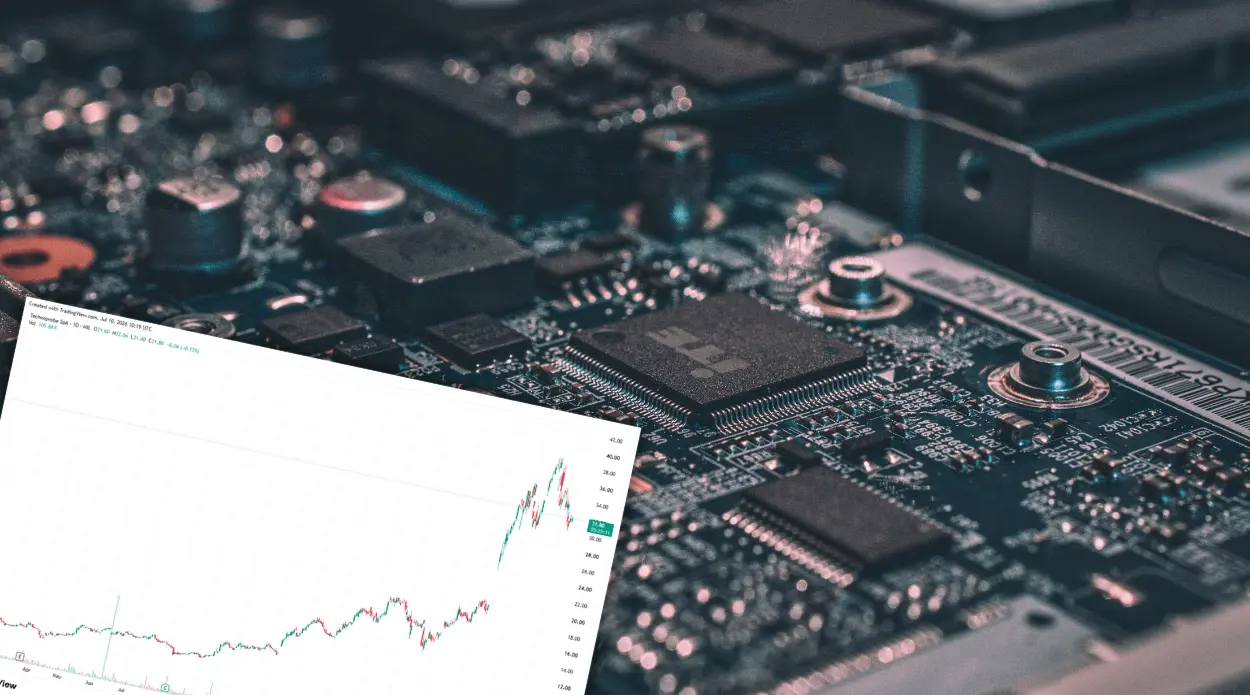
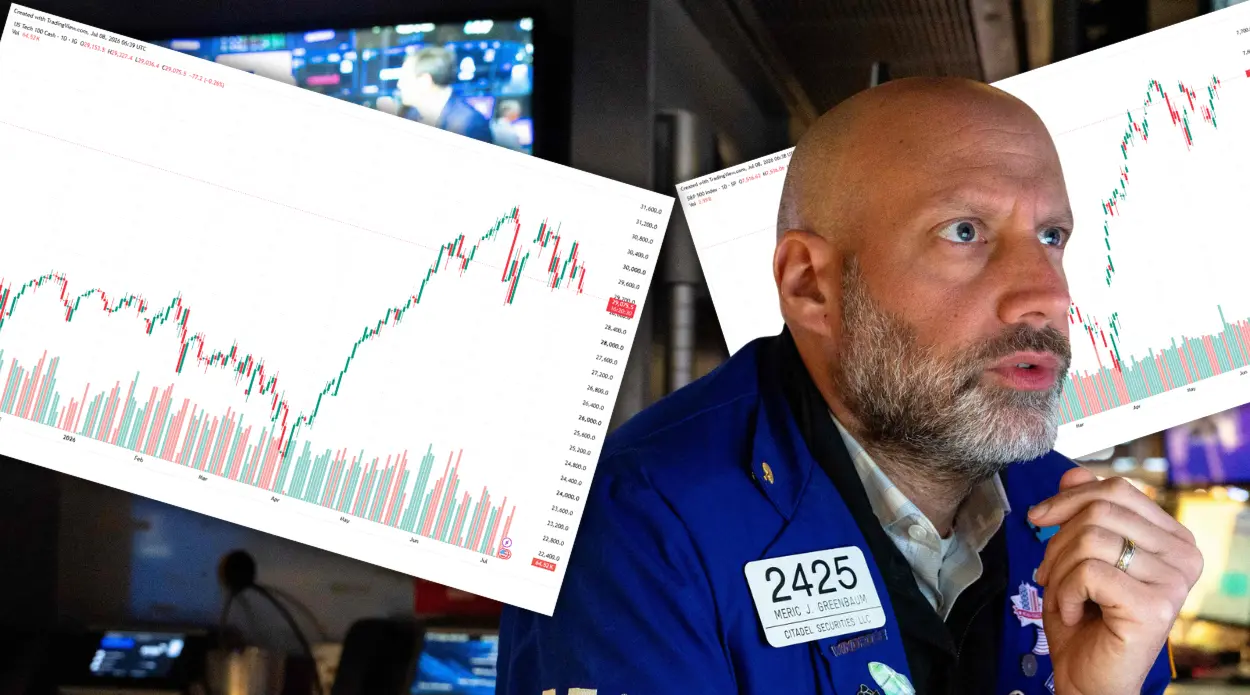
On Wall Street the main theme of the week was the deepening correction in the technology sector. Investors were taking profits after a strong rally in AI and semiconductor companies, fearing high valuations and the negative impact of sustained high interest rates on future sector earnings.
The largest tech firms and chip makers were particularly overvalued, weighing on the Nasdaq and S&P 500 indices. At the same time, the quarterly earnings season painted a mixed picture of the condition of US companies. Very strong results and optimistic forecasts from some semiconductor firms, especially Micron, periodically lifted sentiment, but the positive impact of the reports was dominated by a broad reduction in exposure to the technology sector.
As a result, US indices ended the week in decline, while European indices showed relatively greater resilience thanks to a smaller share of tech companies in the core index composition and improved prospects for energy‑price‑sensitive sectors.
KGHM fell over 10%
On the Warsaw Stock Exchange this time the scale of declines was higher than expected, and the WIG index fell 2.7%, with roughly equal overvaluation across mid‑cap and large‑cap stocks. In addition to global factors, a regional political risk emerged – the market fears that the scandal at the Southern Hospital in Warsaw will have a deeper, politically negative impact on KO, and thus a higher risk of its defeat in next year’s parliamentary elections.
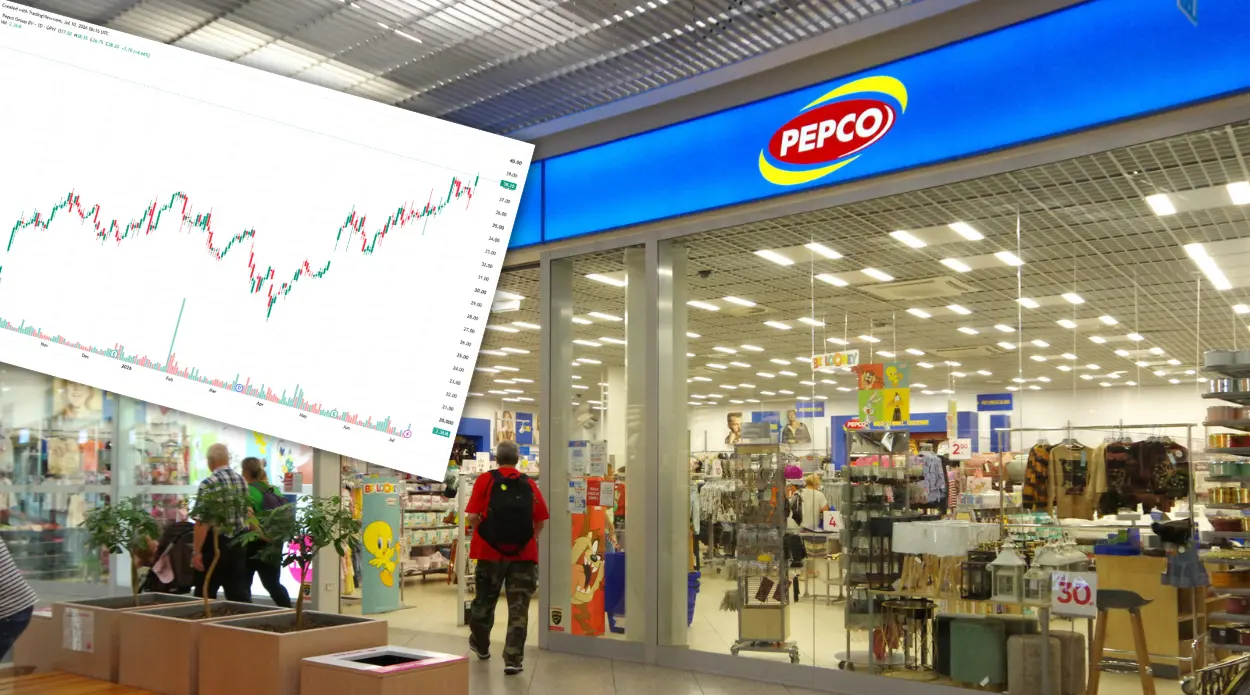
In the WIG20 index, KGHM fell the hardest, by over 10%. The strongest performer was Pepco, where the business restructuring issue is increasingly viewed positively by the market. The company’s shares rose 7%.
This week, the first holiday week, investors’ attention should be divided between the Middle East situation and important macro data that will not be missing. Exceptionally on Thursday, due to the US holiday, monthly data from the US labor market for June will be shown.
In addition, from the US we also have ISM indices for industry, Chicago PMI, or the ADP report, while from European countries we have a whole series of PMI indices for industry and services. Important from the ECB policy perspective will be the preliminary HICP inflation from the Eurozone published on Wednesday.