7 members for the hike
It is what analysts have been speculating about for a long time – the Bank of Japan raised interest rates to 1%. In theory, nothing extraordinary, except that we are talking about a country that for a quarter of a century was a global advocate of zero cost money.
The last time rates were this "high" in the Land of the Rising Sun was 31 years ago, so we can speak of an unprecedented situation. The decision-making body was practically unanimous, with a 7-1 vote in favor of the hike. The reason for this scenario is inflation in Japan, which is becoming the main problem, and the conflict in the Middle East further highlights it.
Interestingly, the CPI index is only 1.4%, but that is just an imagined picture, because the truth is that many elements are subsidized by the government, such as fuel or education. The truth is shown, for example, by producer inflation, which was 6.3% in May, and its dynamics were the strongest in 3 years. The BoJ statement included information that high oil prices will be reflected in consumer prices.
This means that inflationary pressure will spread across the entire economy, so the only appropriate direction is to raise rates. The key question for investors right now is: what next? It is speculated that there will be another hike this year, and next year rates could reach 1.5%. Despite today’s decision, the yen remains quite calm, and USD/JPY quotes hover near the "pain threshold", i.e. 160.
Positive 3.1%
Yesterday the final CPI inflation figure for the national economy for May was published – the preliminary estimate from two weeks ago at 3.1% was confirmed. Let us recall that analysts’ expectations were much higher, and a reading of 3.7% was expected. This is certainly a big surprise, as we rarely see such a gap between publication and expectations.
It is also a strong argument for the RPP that the current stance of keeping rates unchanged is correct. Delving into the CPI structure, we still observe a surprising drop in food prices on a monthly basis, taking into account higher costs on the supply side and the shadow of passing them on to the consumer. Looking at recent reports from the Middle East and the possible signing of an agreement this week, we see a prospect for oil price cuts, which could translate into lower inflationary pressure in the coming months.
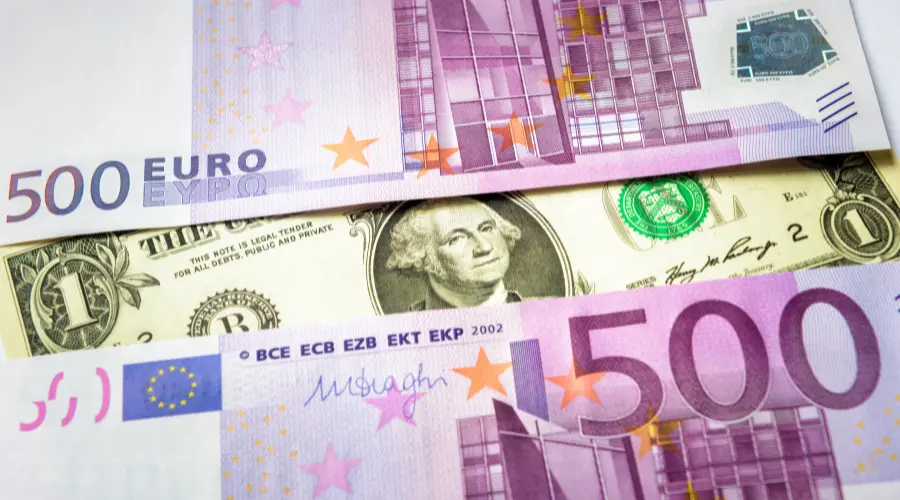
Even more importantly, the black scenario of stagflation symptoms in Poland is also moving away, i.e. higher inflation with a slowdown in economic growth. The national currency is stable this morning, and EUR/PLN is just below the 4.25 threshold.
Soft doubt
In recent days markets have been focused on the end of the war in the Middle East, and oil prices fell to around $80 per barrel in the case of WTI. Tuesday morning brings a slowdown in the pace of declines, and after a wave of optimism came a moment of doubt about the lack of details regarding this agreement.
Doubts also began to appear regarding the re-opening of the Strait of Hormuz for shipping and, above all, in what time normal oil or natural gas transfers will be restored to the world. Another issue is security: whether it will be possible to pass through this narrow choke point without obstacles and whether ships are truly safe.
Any signal that the agreement could be signed later may cause us to see volatility in oil prices again, which is very sensitive to any news. One issue remains: Israel’s dissatisfaction with the agreement, which it considers catastrophic. Failure to respect the peace plan assumptions could cause the negotiation table to tip again.