The slaughter of tech giants on Wall Street
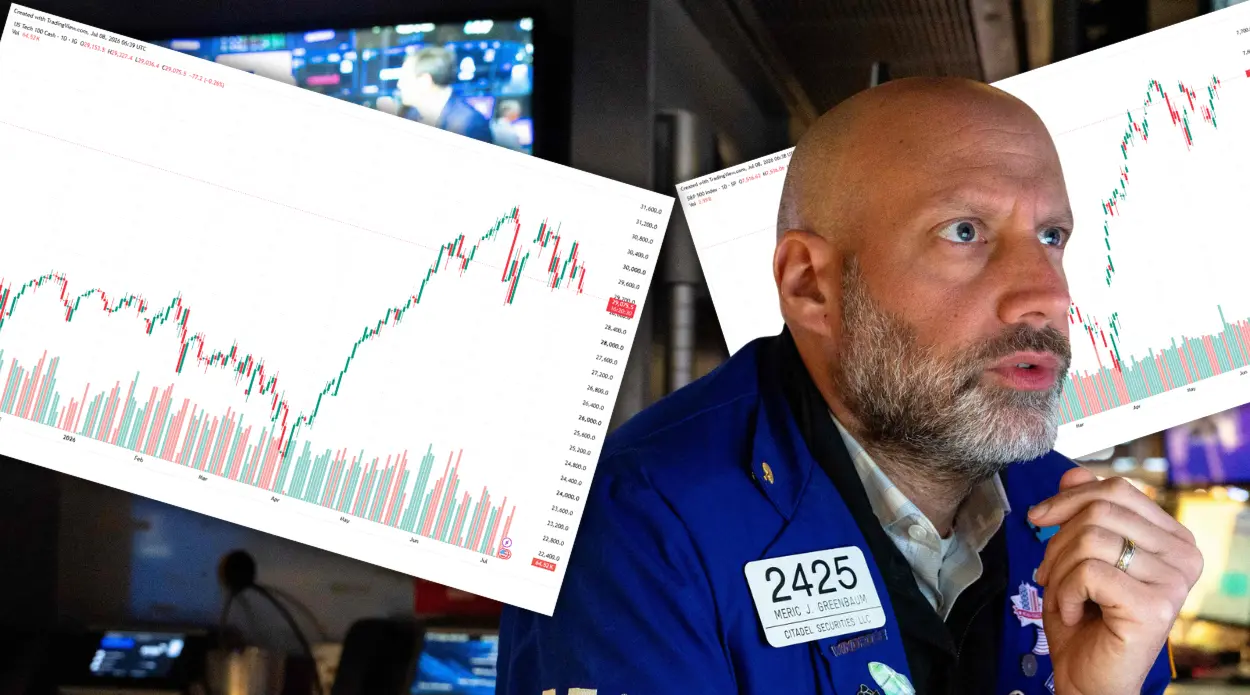
Following the KOSPI, other mid‑caps and ultimately the biggest blows from supply came – on the most important markets – with the Nasdaq Composite losing just over 4 percent. The weight of technology stocks cast a shadow over the S&P 500, which fell more than 2 percent, while the DJIA recorded a modest gain of 0.1 percent.
In Europe, Germany’s DAX fell about 1.4 percent, while France’s CAC recorded a modest decline of about 0.4 percent. Looking at the overvaluation in the US, two facts stand out. First is the dominance of technology companies in the overvaluation, and second is the relative strength of the broad market despite the weakness of the technology sector. In essence, comparing the S&P 500 to the S&P 500 Equal Weight index, which eliminates the dominance of tech companies by basket construction, reveals a 0.3 percent upside for the latter.
The rise of the so‑called market is complemented by the rise of the DJIA and shows that the week was not as bad as the index declines suggest, which are usually used to evaluate the most important exchanges such as the S&P 500 or Nasdaq Composite. Looking at the correction in the US technology sector shows that the balance of forces was somewhat more complex than just declines in the chip and AI basket. The overvaluation triggered by the Korean market slump does not change the fact that the Nasdaq Composite fell for five sessions that week.
The decline series was the first of its kind since the turn of December and January, which in itself indicates the need for a correction that is now taking place.
At the end of the week, Apple also stirred greater emotions, a company generally not associated with the AI sector. The tech giant’s shares fell just over 4 percent on Thursday after news that the company was forced to raise product prices amid rising chip costs. AAPL shares rebounded sharply on Friday but ended the week down just over 4 percent and, in a sense, dragged the MAG7 basket, measured by the Roundhill Magnificent Seven ETF, down nearly 4 percent.
Micron grows 850% annually, and Apple lacks AI chips
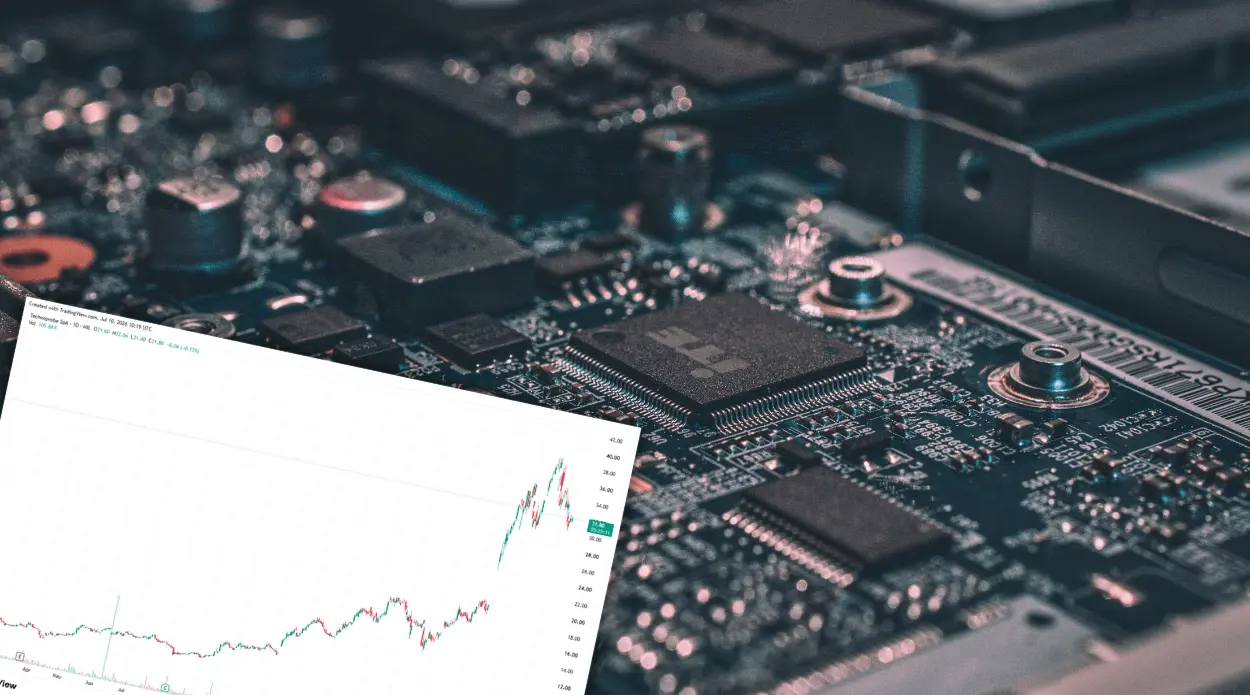
The paradox is that Apple’s difficulties accessing components confirm demand in the AI sector, which exceeds production capacity. The effects are visible in Micron Technology’s results, which lost just over 13 percent in the first three sessions of the week – driven by the previously mentioned downward impulse on the Korean market – before gaining just over 15 percent on Thursday when it announced quarterly results, boosting its annual gain to 850 percent.
Looking at declines in the US technology sector should not only be through the lens of necessary correction but also through the market‑risk relationship. The week’s end brought a strengthening of the dollar, which may not be as important for Wall Street as for other exchanges, but in itself shapes risk appetite.
The rise of the USD in global markets was linked to questions about the Fed’s future policy and the valuation of credit price hikes. Potentially higher rates usually curb demand for growth stocks and increase appetite for dividend stocks. The result is a process in which the technology sector sends corrective impulses to markets, yielding capital rotation to the broader market. Finally, it is worth noting the markets’ resilience to the Middle East situation. The exchange of blows between the US and Iran and Iran’s attack on one of the ships in the Strait of Hormuz did not prevent oil from staying at levels observed before the US and Israel attacks on Iran.
The final element means that sooner or later the anti‑inflationary impulse from that direction will be seen as conducive to the Fed not raising credit prices. The result will be a balancing of the market’s recent anxiety about hawkish signals from the FOMC and a strengthening indication that markets will continue to operate in a macro environment that has always been one of the most important foundations on which the bull market’s durability was based.