Fear of war subsides, and consumers suddenly regain confidence
Today’s June European ESI sentiment survey data will be released, showing whether the positive trend from last month has persisted in Poland. The index rebounded to 100.1 points, partly due to a clear improvement in construction sentiment and lower inflation expectations.
We expect that the generally calmer geopolitical situation in recent weeks may translate into better results for such survey-based studies.
Meanwhile, final US consumer sentiment data (Michigan Index) turned out slightly better than preliminary figures, though still below market consensus.
The overall index was 49.5 points compared to 44.8 points a month earlier, marking its first rise after three consecutive months of decline.
The forecast component saw a particularly strong improvement (50.7 from 44.1 points), while the current component improved less (47.7 from 45.8 points).
According to the study authors, the improvement was due in part to reduced concerns about the Iran conflict and lower gasoline prices.
Oil prices fall, gold at its lowest in months
The past week ended on a positive note for global markets. Brent oil prices returned to pre‑US attack on Iran levels (below $73 per barrel), although natural gas TTF prices, while lower, remain a third higher than in February (about €40 instead of €30/MWh).
This may be the echo of infrastructure damage caused during the exchange of fire between Israel and Iran, which was already reported to cause long‑term supply capacity problems.
Gold has traded in the $4,000–$4,100 per ounce range over the past week, the lowest level since October 2025.
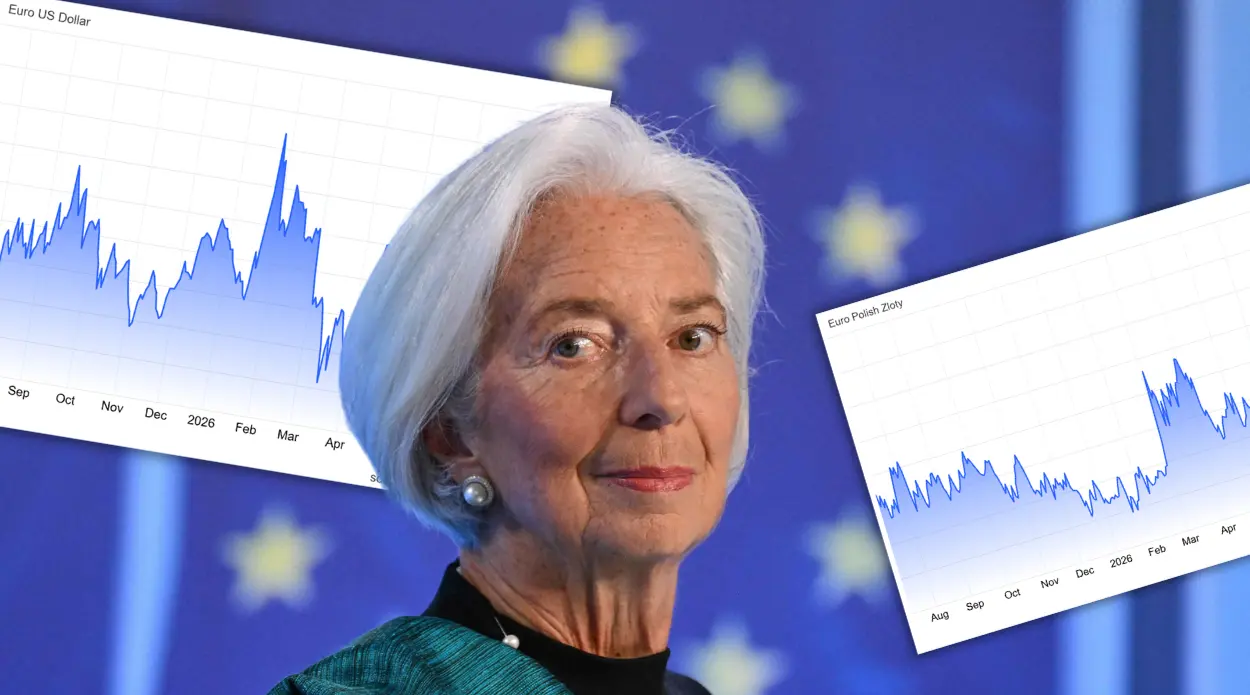
EURUSD rose slightly to 1.14 – still very low for the month.
In this context, the local market performed worse.
EURPLN remained high between 4.28–4.29, and the WIG index recorded weaker results than a week earlier.
On the interest‑rate market, we observed further strengthening of bonds by about 6 basis points, with simultaneous declines in IRS by about 3 basis points and FRA by 2–4 basis points.
ASW spreads narrowed by about 3 basis points.
On base markets, euro‑zone yields fell by about 1 basis point, while US yields fell 1–4 basis points, mainly on the short end of the curve.
This was accompanied by a small downward correction in expectations for the scale of Fed rate hikes.