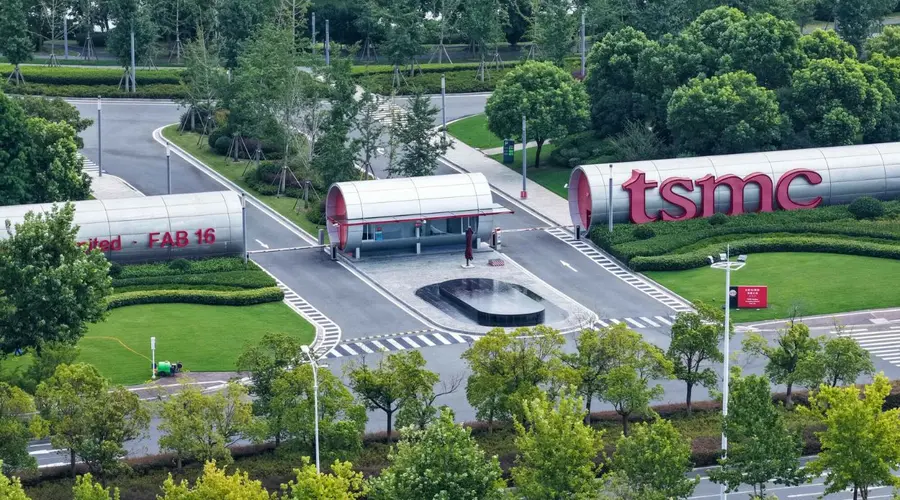
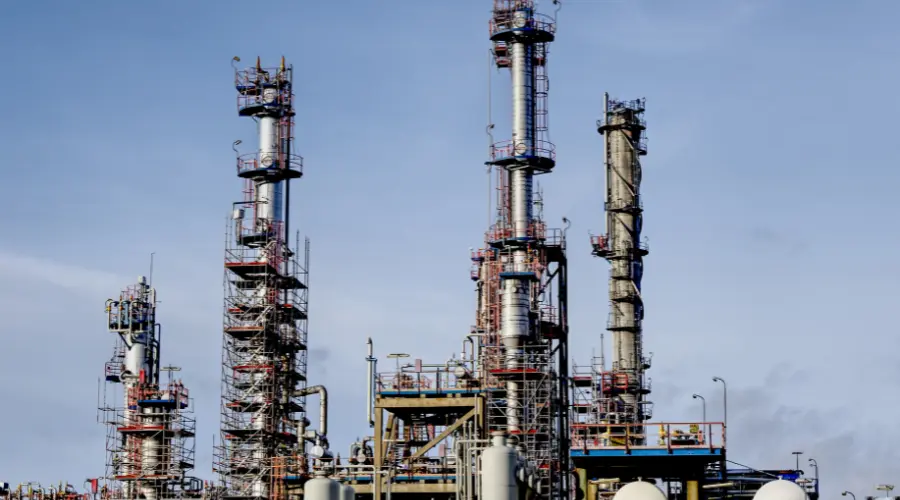
TSMC, Taiwan Semiconductor Manufacturing Co., is the absolute hegemon in producing the most advanced chips.
TSMC Shares and Financial Results That Didn't Satisfy Wall Street
The company reported on Thursday, April 16, a 58% increase in Q1 earnings. Importantly, it is the fourth consecutive quarter with a record result, surpassing analysts' expectations.
President and CEO C.C Wei expressed optimism during a call with investors, noting that “AI demand remains extremely strong.”
Despite such strong results, TSMC shares fell by about 3%.
About 61% of TSMC's Q1 revenue came from the High-Performance Computing (HPC) segment, including chips made for the largest AI architecture supplier, Nvidia. In the previous quarter, HPC revenue was 55%.
Gross margins at 66% clearly signal that technological dominance (7 nm and below processors account for 74% of revenue) allows TSMC to dictate prices to giants such as Apple and the aforementioned Nvidia.
Wall Street reacted with a sell-off for two reasons mentioned by Jordan Klein of Mizuho Securities. The first is the very weak performance of the smartphone segment, where revenue fell 11% quarter‑over‑quarter. The smartphone industry is a sizable market for chips.
The second reason for the declines is the geopolitical situation. The conflict in Iran not only raises supply‑chain concerns but has realistically changed the situation in the specialty gas market, such as hydrogen and helium.
Trump tariffs also loom, set to return in July. TSMC reassures that it has sufficient raw‑material stocks needed not only to maintain but also to increase production.
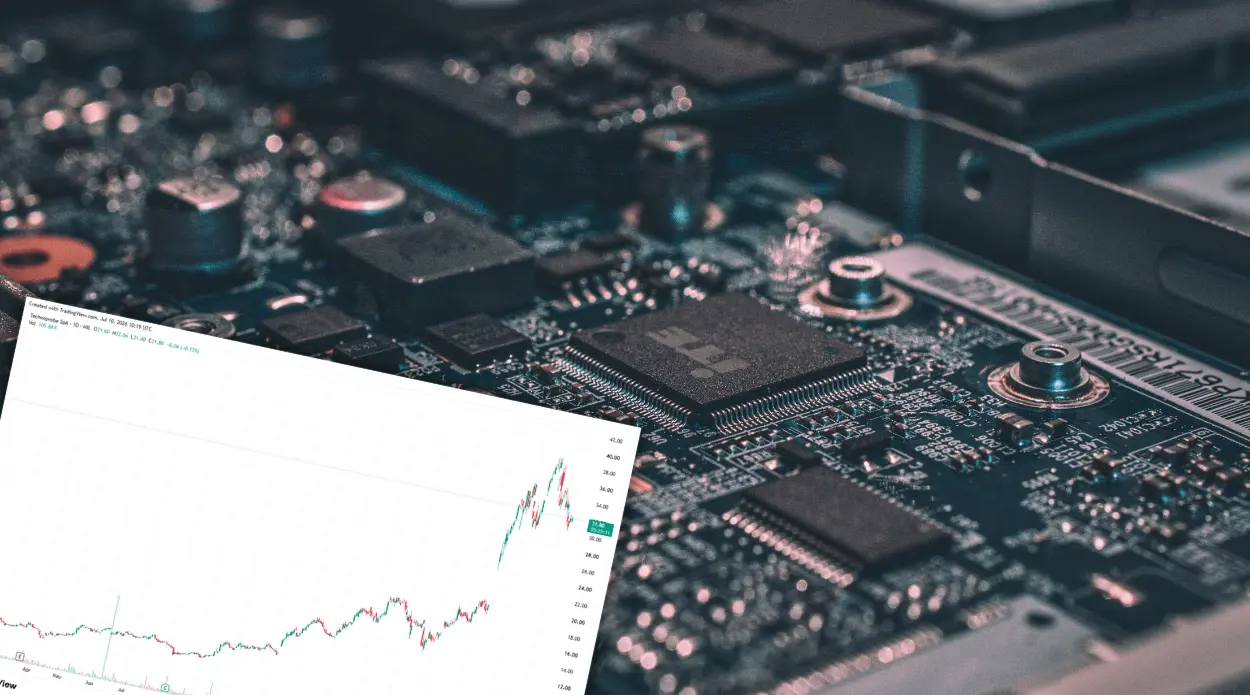
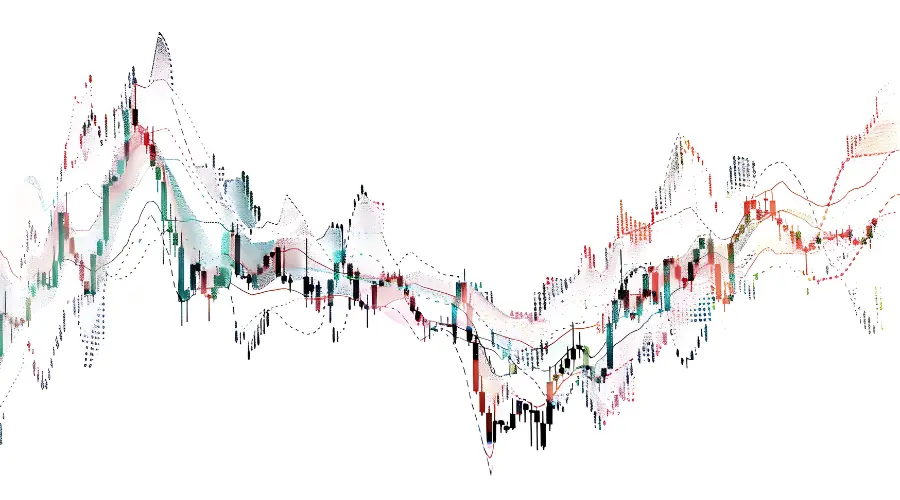
Chart. TSMC Stock Price

Source: TradingView
See also: Stock Market 2026 is preparing a surprise? “Investors should ensure their portfolios are ready for the upward trend”
ASML Shares Decline After Results
The Dutch company ASML is the only manufacturer worldwide of extreme‑ultraviolet lithography machines (EUV).
Yes, in the industry of the most advanced integrated circuits we have a monopoly. The company's shares fell on Wednesday by 6.5%, and on Thursday by another 3%.
It is worth noting that EUV machines cost over 400 million USD each and are essential for producing chips for AMD, Google, SpaceX, and Amazon.
The reason for such steep declines was the maintenance of forecasts regarding financial reports. As is easy to deduce, for Wall Street investors this is a signal of failure.
CEO Christophe Fouquet announced that the company could deliver 80 Low‑NA EUV machines (older‑generation machines) in 2027.
According to Barclays analysts, demand for 90 such machines in 2027 will exist. This small difference sowed uncertainty about the scaling pace of throughput not only for ASML but also for TSMC.
Chart. ASML Stock Price

Source: TradingView
Demand for AI chips continues to rise as expectations for artificial intelligence grow.
TSMC announced that in 2026 it plans to spend from 52 to 56 billion USD, a huge jump compared to 40.5 billion USD in 2025. These funds will flow into new fabs in Arizona. Interestingly, Intel has also entered the game, starting to catch up with TSMC in production despite issues with its 13th and 14th‑generation processors in 2025.
New commitments from SpaceX and Tesla show that the market is clearly seeking alternative throughput capacities.
The current market situation for TSMC and ASML resembles the 5% drop in Nvidia shares after a great earnings report, which was excellent, yet investors awaited a spectacular result.
All of this is a litmus test for the ballooning AI bubble, which, although showing no signs of bursting, is beginning to approach its climax.
Similarly, investor expectations and Wall Street.
See also: Cheap dollar and the U.S. market – opportunity or trap? The expert highlighted top picks for 2026