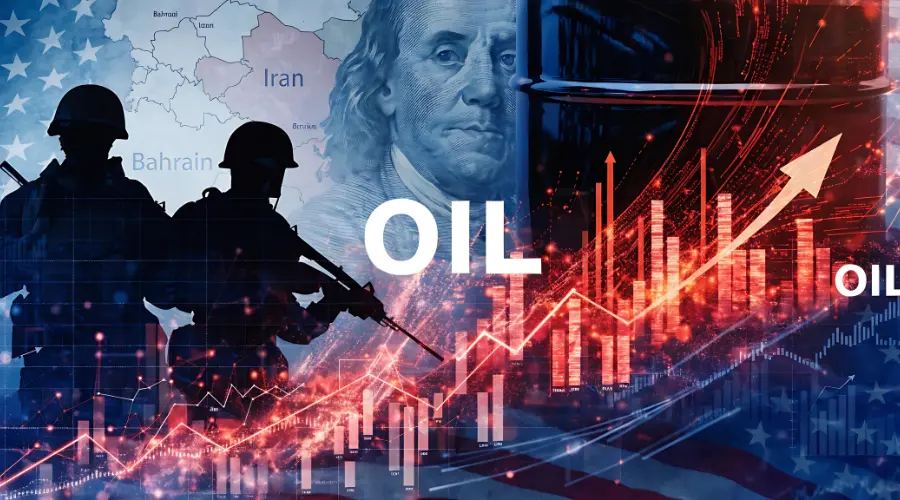
The WTI crude contract – the benchmark for the U.S. market – fell by more than 9 percent and already in the first half of the week built a foundation for gains in equity markets.
A brief pause in the bull attack was the reaction to the FOMC statement and the Fed Chair’s conference, read as hawkish, but ultimately the major indices ended the week with more or less dynamic gains.
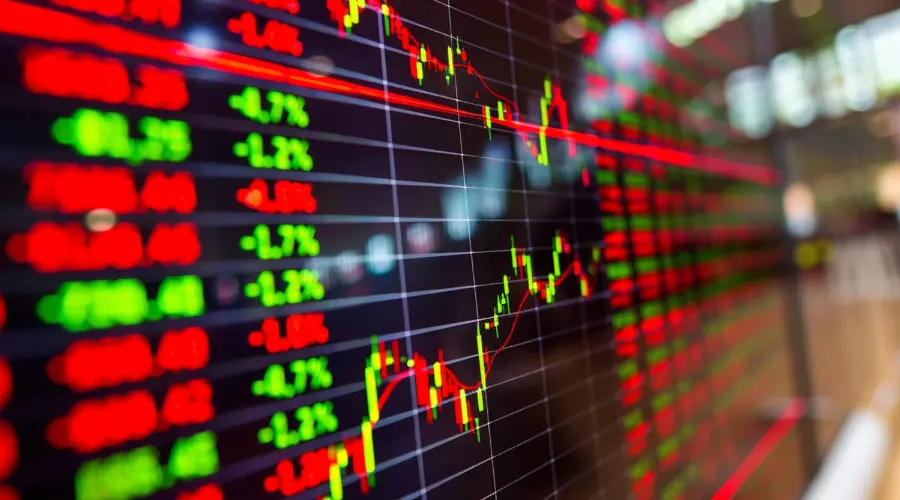
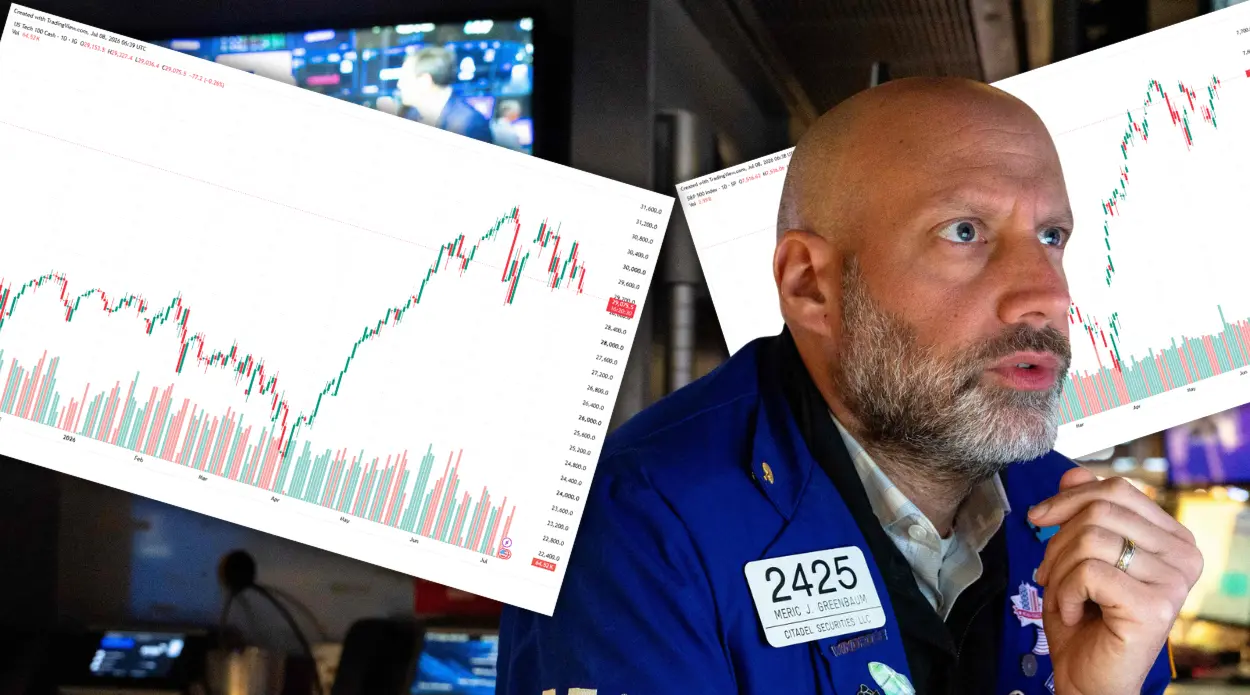
On Wall Street the DJIA gained 0.7 percent with a 2.4 percent rise in the Nasdaq Composite and a strengthening of the broad S&P 500 by 0.9 percent. The gains do not look impressive, but it should be noted that they were made in a holiday week that had only four sessions.
Europe responded with a 1.7 percent rise in the German DAX and an 0.8 percent gain in the French CAC.
New Wall Street records and the end of the Fed’s “promises” era
The gains were enough to lift the key indices close to bull‑market records, as the DJIA set new all‑time highs on three of the four sessions of the week. The whole sums up a picture of markets that more or less successfully played to extinguish the corrections from the first half of June and return to upward trends or sideways trends while awaiting new variables.
For a moment it is worth pausing at the new Fed Chair’s conference and the effects of the June FOMC meeting. Paradoxically, the FOMC statement itself did not bring surprises at the level of central bank policy.
According to expectations and what is happening in the economy, FOMC members sent a signal to the market that the next step in monetary policy could be a rate hike. The new Fed Chair also emphasized the FOMC’s attachment to price stability.
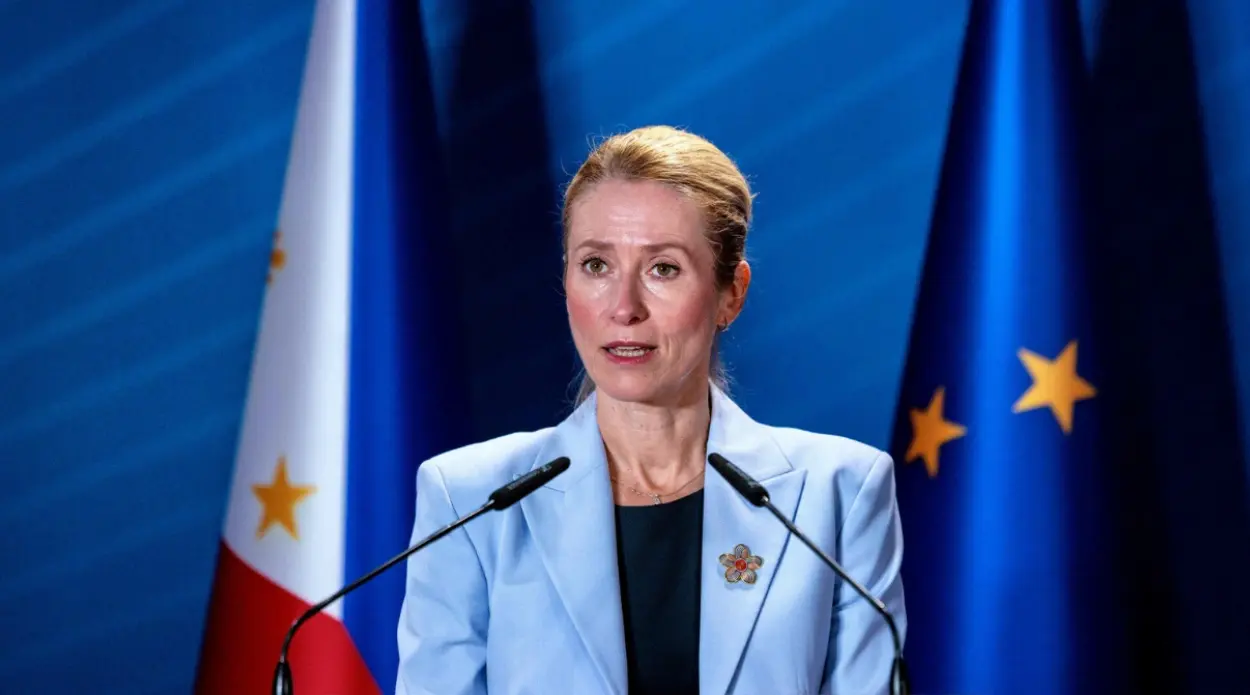
The remaining elements were already more interesting and foreshadow a change in the functioning of the Federal Reserve and the Fed’s relationship with markets. The first – symbolic signal – was the new Chair’s restraint from issuing a forecast on where rates are heading. The Kavina Warsh conference highlighted the indication that the Fed will in the future abandon market‑expectation management, and thus the policy introduced by Ben Bernanke during the financial crisis as a tool in a world where rates were zero or negative.
At the market level Warsh told investors there would be no Fed policy guide and a forced valuation of future credit prices by the market. It is also not impossible that future Fed Chair press conferences after FOMC meetings will disappear. The most important consequence will be a reduced dependence of markets on what the Fed promises.
In practice, this means a return to greater uncertainty and a larger dose of surprises, as it did in the days of Alan Greenspan. The above outline of forces may appear as new, but really one can talk about stabilization around known variables.
The earnings season will test the bull’s strength. Investors expect a 22 percent earnings rise
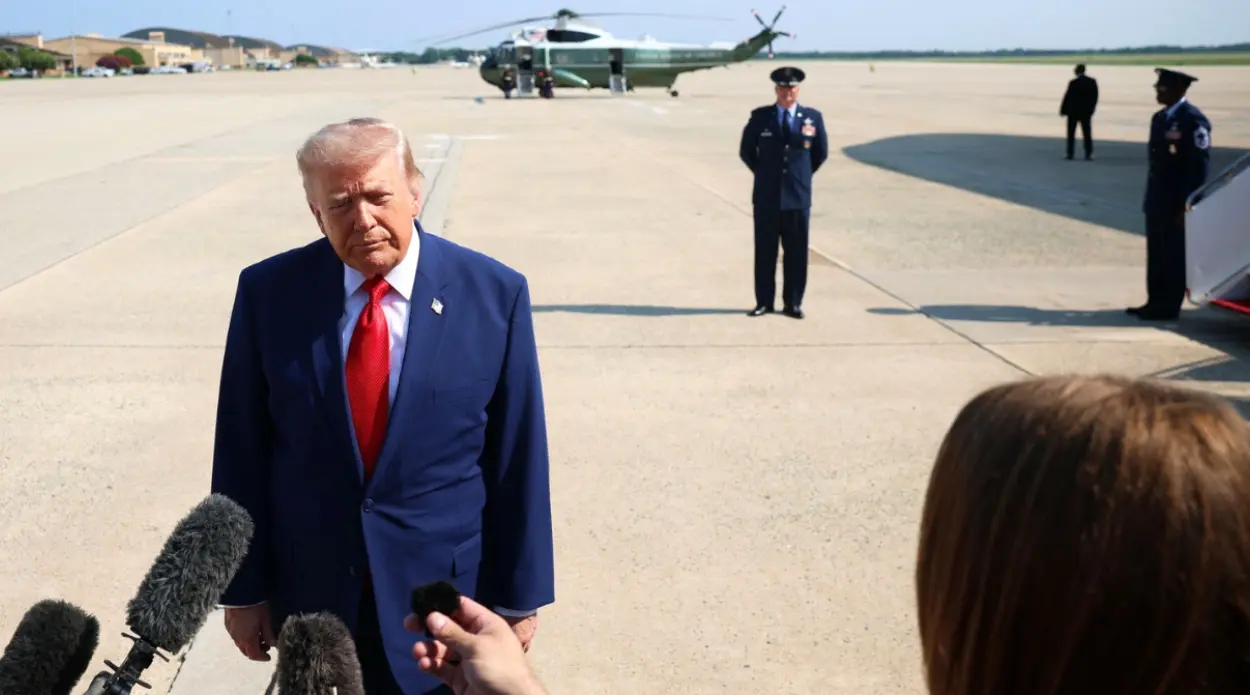
The end of the war in the Middle East is essentially priced. Investors are aware that Donald Trump is not interested in continuing the fight – which he himself said – due to the economic consequences of closing the Strait of Hormuz. Changes in the Fed’s operating model will also be gradual and probably will not be implemented before the end of 2026.
As a result, investors can operate in a force balance where expectations for a drop in oil prices – and indirectly the possibility of weathering a higher inflation phase by the Fed – and maintaining economic growth will themselves favor corporate earnings growth and the continuation of a good run in markets.
In the near future the test of the bull’s strength will probably be the Q2 earnings season, which may not be as impressive as the Q1 earnings season – a 29 percent earnings rise – but still more than very good, as it is hard to be offended by S&P 500 earnings that are expected to rise by about 22 percent versus Q2 2025.
In summary, the end of the war in the Middle East and the good condition of companies provide a mix that allows expecting higher price levels at the end of the year and a calm treatment of any correction that appears in markets, a few months regardless of the medium‑term economic outlook.