Technology Triumphs – Record Inflows into Nasdaq
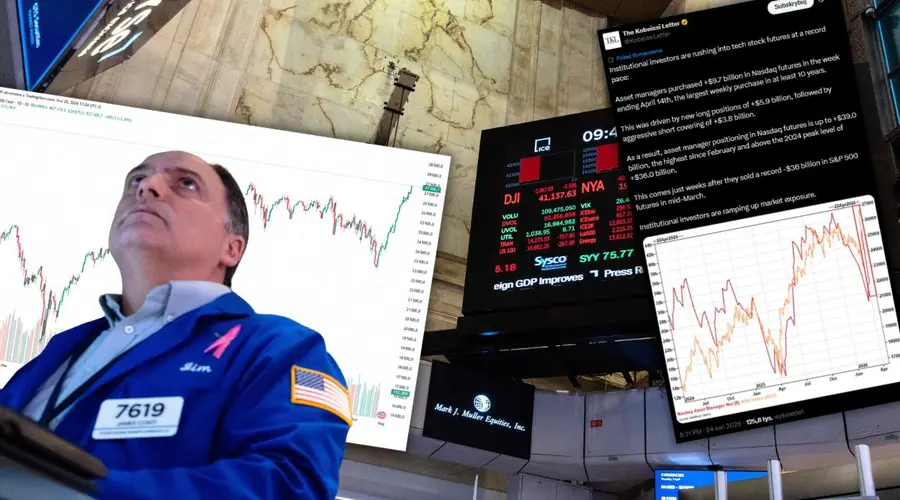
Stock market records are often closely tied to the slow building of a trend. This time it was something that more closely resembled a capital blitzkrieg. Over the week (April 7‑14) asset managers made purchases of Nasdaq futures contracts worth a total of $9.7 billion.
The most striking indicator of the event’s magnitude is that it is the largest weekly cash injection into futures for at least ten years.
Wall Street whales rarely show unanimity. Such “anomalies” usually occur when an opportunity appears on the horizon that cannot be ignored. Current investor moves clearly show that smart money has stopped playing diversification and has moved to aggressive financing of the tech sector.
It is not surprising to see such a decision given geopolitical uncertainties (both USA‑Iran and USA‑China) that make tech companies with almost unlimited AI development budgets the new gold.
Importantly, investors are no longer buying only promises and PR plays – they are buying real technological dominance at a time when the world looks at AI as a source of limitless stock market growth.
The position of tech companies is best illustrated by the fact that Nvidia, when publishing its quarterly results, can disappoint investors… with too low growth, or at least not as large as expected. Institutional investors behave as if the tech sector is completely immune to classic business cycle cycles.
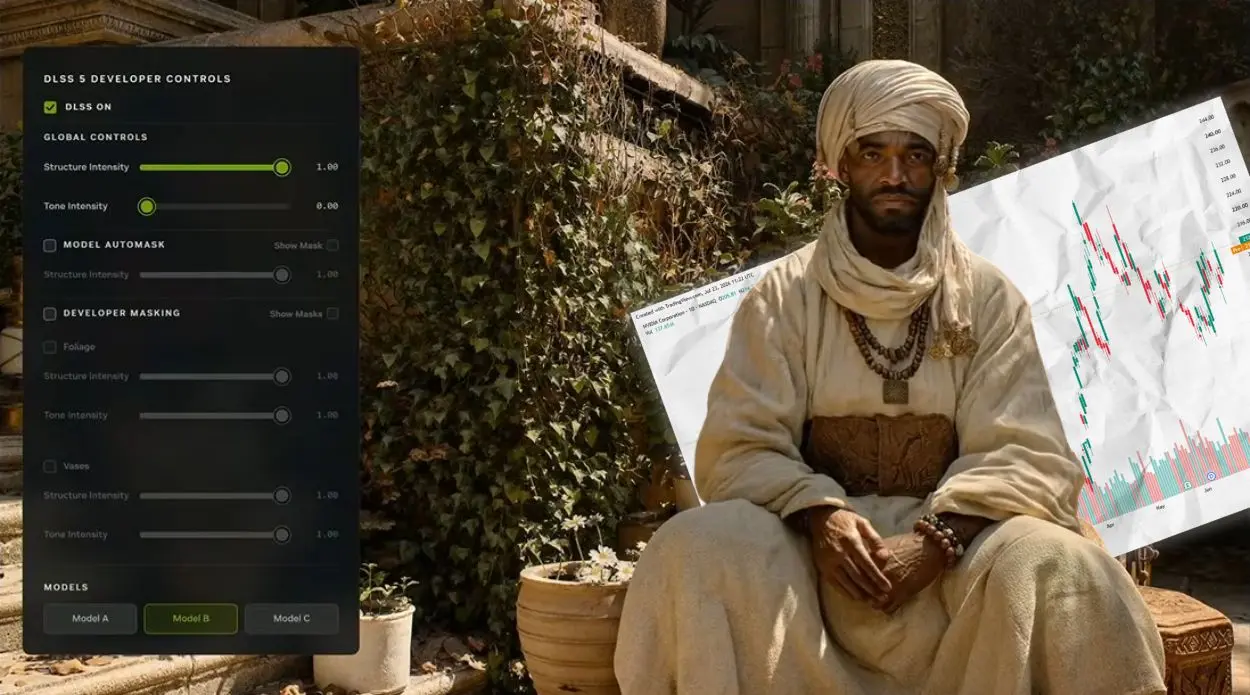
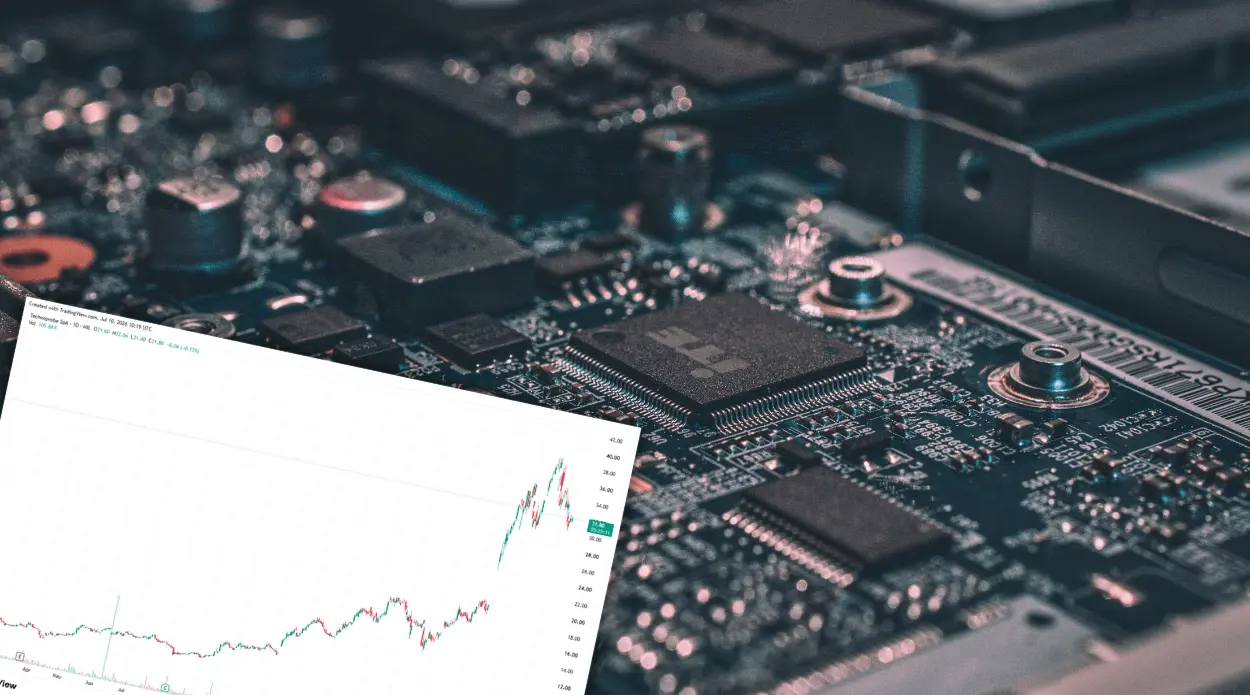
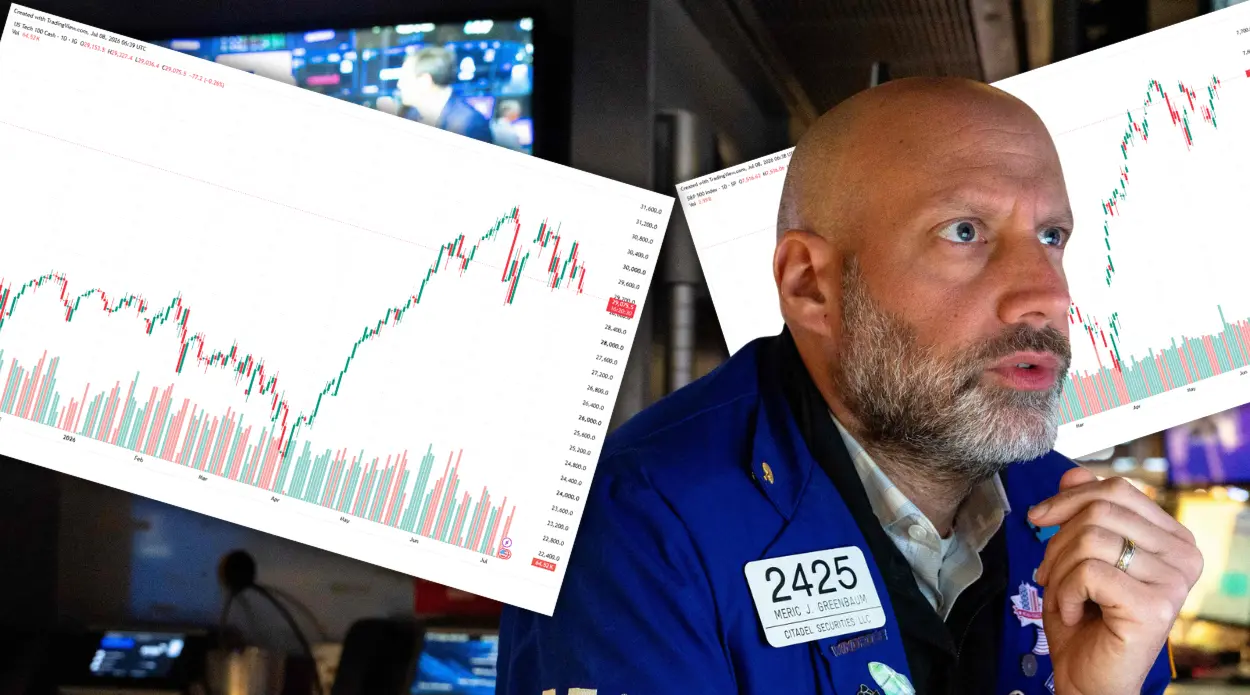
Chart. NASDAQ Price

Source: TradingView
See also: The market flooded with red. S&P 500, Dow Jones and Nasdaq Composite down. Wall Street looks at Iran
The Anatomy of the Nasdaq Rally – What Investors Are Betting On?
The analysis of the $9.7 billion allows us to draw interesting conclusions about fund management psychology.
In fact, a large part of the biggest Nasdaq rally in a decade, amounting to $5.9 billion, are entirely new long positions. This is a clear signal that investors believe in further Nasdaq 100 growth and want to be at the forefront. The remaining $3.8 billion is the result of so‑called short covering, i.e., a situation where investors who previously bet on declines are now aggressively closing short positions.
Bears who expected a correction in the Big Tech sector were brutally forced to buy back contracts, which acted as fuel for the growth spiral.
Thanks to this, the total assets under management invested in Nasdaq contracts rose to an astonishing level of $39.0 billion. It is worth noting that this figure surpasses the previous record from 2024, which was $36.0 billion.
The market is at a point where institutional players’ optimism is greater than ever before in this decade.
What is happening on Nasdaq now becomes even more interesting when we look at the broader market context.
Mid‑March 2026, the same asset managers made a record sell‑off of S&P 500 contracts, disposing of positions worth $36.0 billion.
This is a clear signal of massive capital rotation. Investors have decided that the broad market (represented by the S&P 500) carries too much risk associated with the traditional economy, banking sector, and consumption, which could slow down under the influence of interest rates. Instead, they bet on silicon giants that are breaking new records.
See also: Nvidia and Alphabet stocks react to the start of the giants. One of them may fall behind