Tension in the Middle East and Trump’s Threats
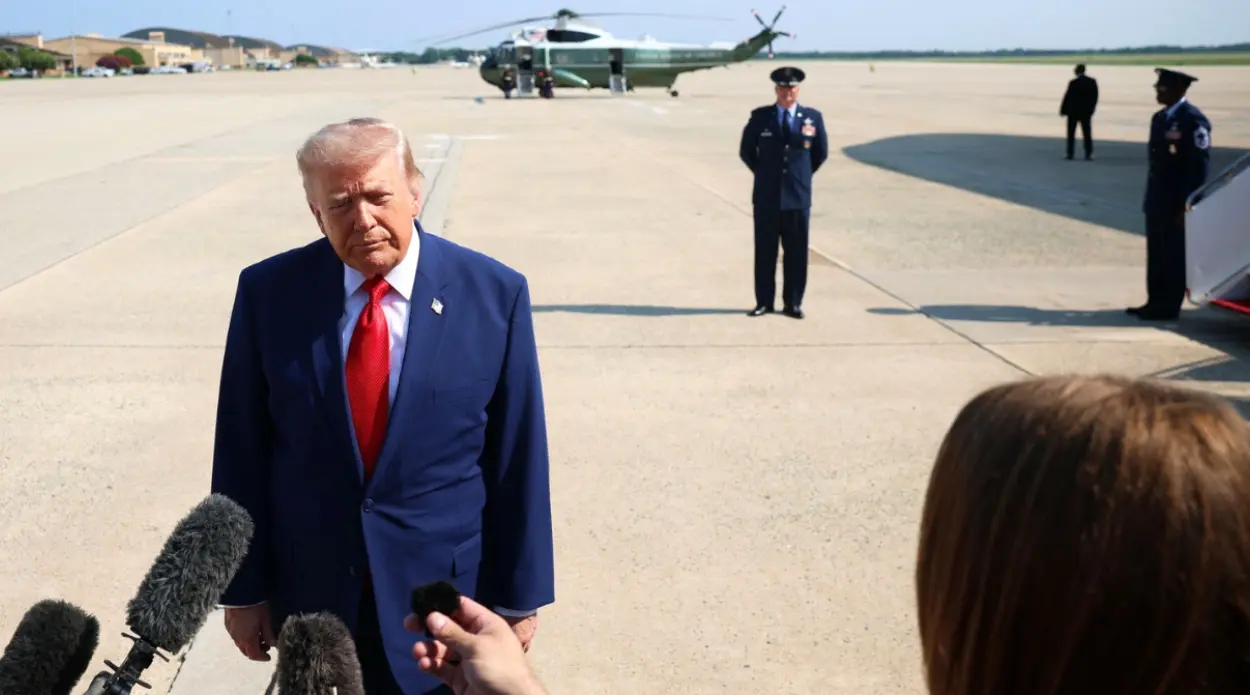
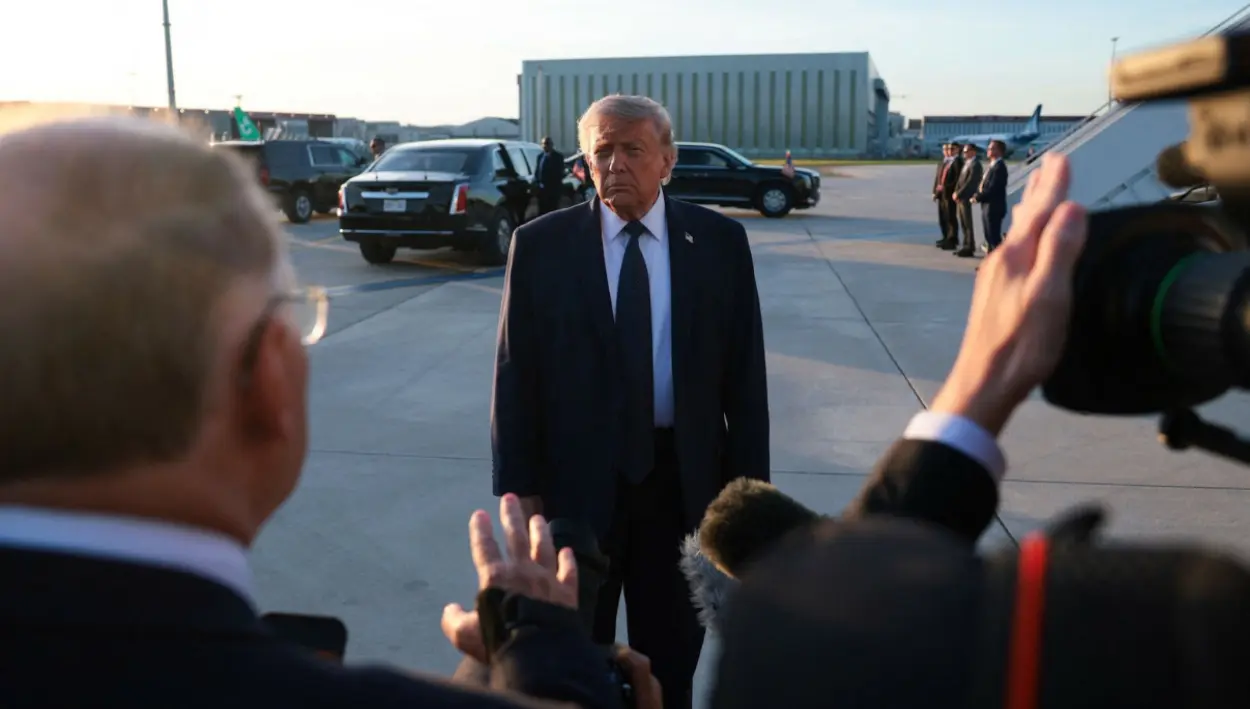
Iran and the United States established a communication line to prevent armed incidents in the Strait of Hormuz, which was created to support the implementation of a previously signed agreement that allows free passage of commercial vessels through the waterway for 60 days. On Saturday, D. Trump threatened Iran with destruction if it does not comply with the ceasefire.
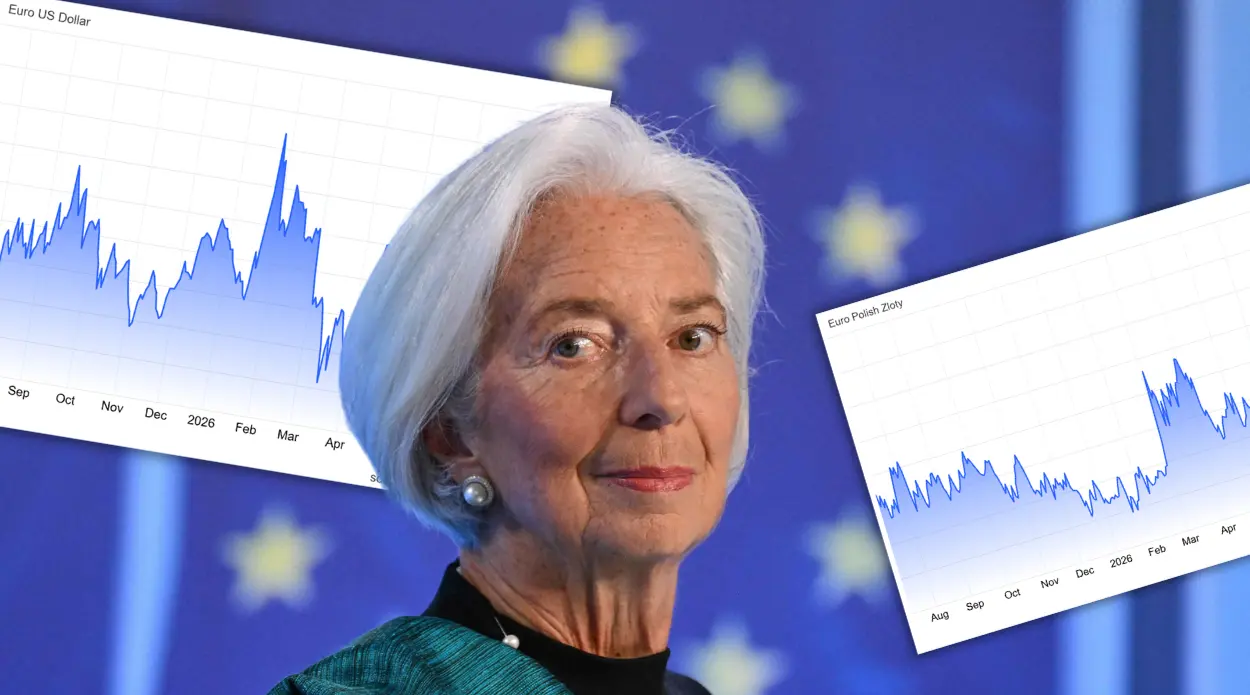
Earlier on Friday, the U.S. president threatened to impose a 100% tariff on goods from countries that introduce a digital services tax. The week starts with the EURPLN near 4.286, and the EURUSD rises at the beginning of the week to 1.14 (a significant resistance level). The euro may be supported today by an improvement in the June confidence index, and later in the week by a deterioration in non-agricultural employment in the U.S.
This week will be marked by inflation readings in the country and Europe, as well as PMI indices. A decline in inflation could favor a continuation of the downward move in domestic yields. Lower yields in base markets may be influenced by weak non-agricultural employment data. Today the forum in Sintra begins.
Ships Burn Despite the Pact, and Markets Shake Over AI
During Friday’s session, domestic stock indices fell by 0.2–0.7%. The gold slightly lost value from about 4.283 to about 4.29.
This behavior of the domestic currency was consistent with trends on other currency pairs, and against the euro it lost value against most currencies of both G10 countries and emerging economies.
In the domestic interest rate market, the decline in rates continued.
IRS rates fell by about 4 basis points, bond yields ended the day about 6 basis points below the opening. At the end of the day, 10‑year bond yields were about 5.28%, close to the support line (another support line near 5.20%).
Foreign Markets
In the last session of the week, equity indices fell to about 1% amid concerns about inflated valuations of AI‑related companies. Earlier, indices in Japan and South Korea recorded strong declines, and market sentiment was weaker after news of price hikes by Apple and a possible delay of OpenAI’s IPO. U.S. indices began the session with gains.
Saudi Aramco resumed oil loading at the Ras Tanura terminal after almost a four‑month pause, and production revival was also noted in Qatar and Kuwait.
EURUSD Rises to 1.143
The tanker movement began to rise gradually. Despite the agreement, one cargo ship was hit by a missile.
Tehran emphasized its right to control ship transport through the strait and warned Gulf countries of cooperation with the U.S., among other things after an attack on a ship near Oman the day before showed the fragility of the agreement.
Nevertheless, increased exports allowed for continued decline in oil prices to about $72 from about $74.
The EURUSD rate rose during the day to about 1.143 from about 1.137, continuing the rebound initiated on Thursday, although by the end of the day it fell to 1.139, aided by a bullish reading of the Michigan index (about 49.5 points from 48.9 points).
After a relatively strong opening, bond yields in base markets remained relatively stable, oscillating in a narrow range of about 4 basis points, but by the end of the day yields were near the opening levels.
At the end of the session, 10‑year German Bund yields were about 2.85%, and U.S. yields about 4.37%.