Nevertheless, the situation from last weekend shows that the chances of achieving lasting peace are quite fragile and a return to pre-war conditions regarding the Strait of Hormuz may never occur.
Return to negotiations between the USA and Iran
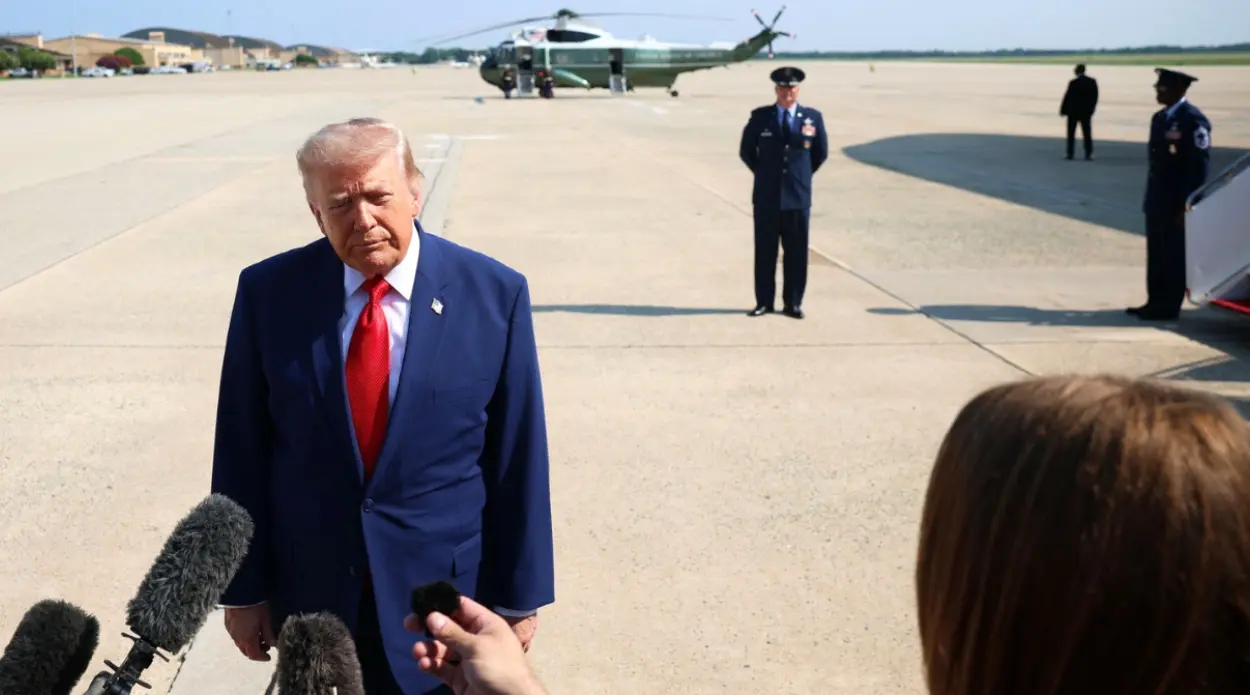
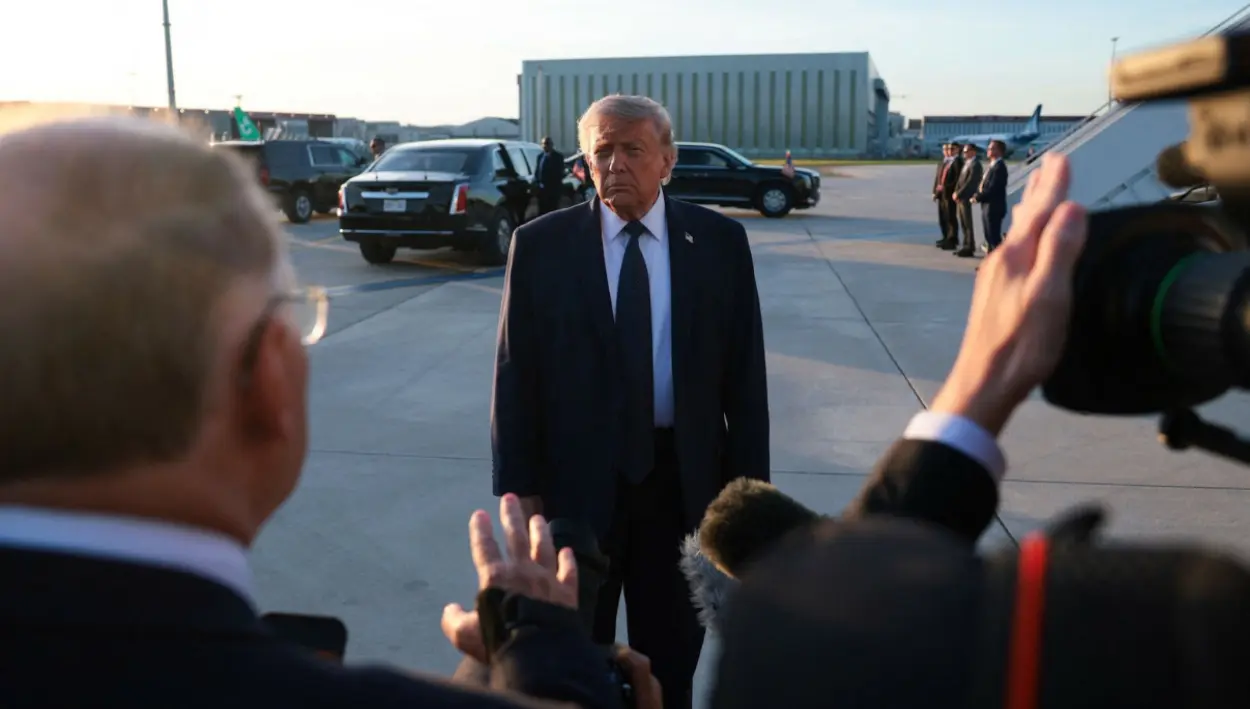
Monday morning brings another twist after Iran announced a second closure of the Strait of Hormuz and simultaneous threats from Donald Trump.
Mediators from Qatar and Pakistan announced the development of a mechanism aimed at ending military operations and establishing a communication line guaranteeing safe commercial shipping through the Strait of Hormuz.
Moreover, progress in talks on lifting sanctions on Iranian oil gives hope for stabilizing energy commodity prices, reducing some of the geopolitical risk premium and allowing emerging market currencies to breathe.
Quarter-end marked by a strong dollar
Despite a temporary calm on the Middle Eastern front, the U.S. dollar is not easily willing to give up its position. The dollar continues to exert mild pressure on regional currencies, keeps precious metals near this year’s lows, mainly due to high expectations of interest rate hikes.
If peace in the Middle East holds, expectations for hikes may prove to be a bit excessive, although Kevin Warsh announced significant changes in the Federal Reserve’s operations, to be summarized by several working groups at the end of the year.
It does not seem that before this report is published, and even more before the midterm elections, the Fed will decide to raise rates. Accordingly, the current strength of the dollar reflects ongoing market uncertainty, but it may fade with a clear improvement in the energy market.
In the midst of still uncertain macroeconomic prospects, capital naturally tends to consolidate around safe havens such as U.S. bonds or the USD itself. This structural strength of the dollar means that the Polish zloty, Czech koruna, or Hungarian forint must contend with pressure from the broader market, which also manifested during today’s session.
The zloty is also negatively affected by a series of mixed economic data. Retail sales show a slump in consumer confidence, and wages, while rising, are slower than market expectations.
Summer cucumber season or a chance for zloty strength?
Not only investors but also people heading abroad for holidays are asking what will happen to the zloty’s course in the coming weeks. Will the summer period bring a typical cucumber season, or will geopolitics bring significant volatility? Last year showed us that holidays do not have to be dull, mainly due to geopolitics.
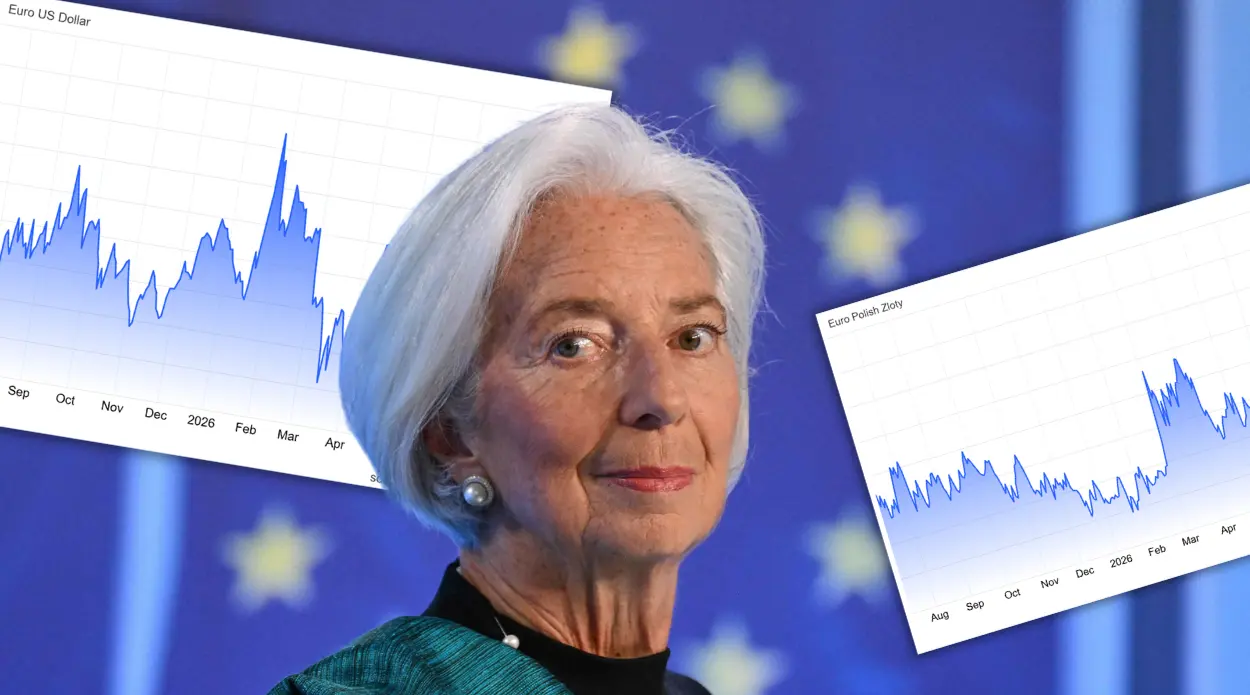
The zloty strengthened last year against the dollar from mid-April to mid-September by about 8%. This year, from the end of January, the zloty has lost about 7% against the dollar.
Statistically, July is usually positive for the Polish zloty. In the last 20 years, July has been the best month of the year looking at the average return of the real zloty rate, and in the last 30 years, July has been the second best month after December. If de-escalation in the Middle East continues and there is also a chance for normalisation in Ukraine, the zloty has a good chance of returning to the 3.60-3.65 range per dollar.
Current zloty rates against major currencies
Before 11:00 a.m., we pay 3.7270 zloty per dollar, 4.2689 zloty per euro, 4.6147 zloty per franc, 4.9238 zloty per pound