Further de-escalation and risk-on?
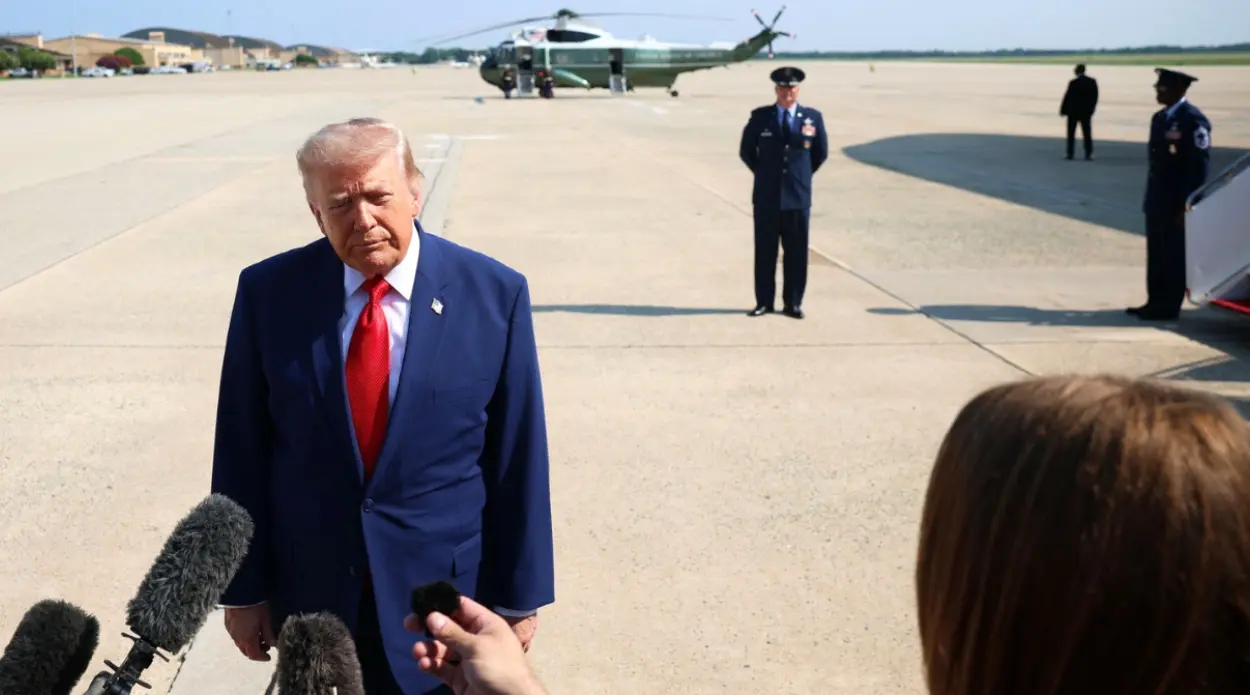
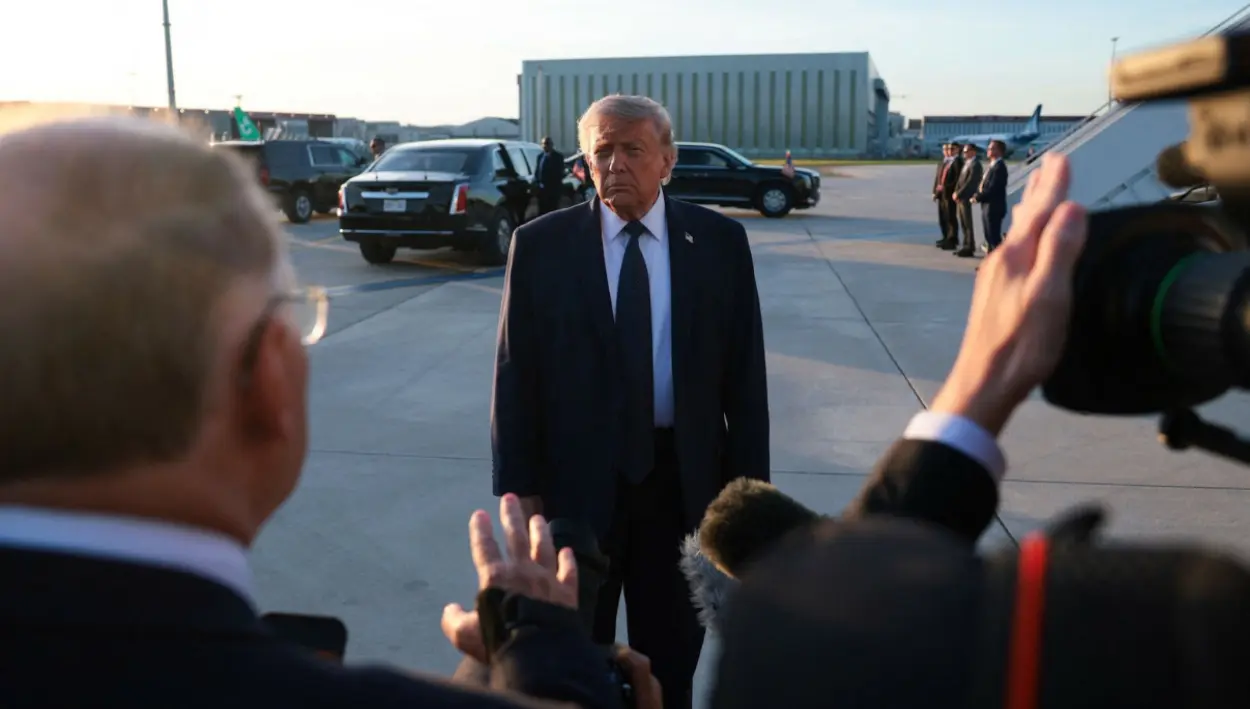
Al-Arabiya reported this morning that the talks on how to unblock the Strait of Hormuz have intensified, although earlier agencies had said that the parties were currently communicating through intermediaries from Pakistan. It is possible that Iran will present its response to the 14-point plan, which should be the basis for a preliminary peace agreement, and Trump believes it should be closed within a week (before his trip to China).
Later, tedious negotiations will remain, which could last 4 weeks or even longer. The key ball is therefore now on the Iranian side. It is possible that Tehran will want China to be involved in the process as well – for example by taking over Iranian uranium resources – which could put the US in a difficult dilemma. In any case, the Iranian issue will most likely be addressed during the summit talks (Trump-Xi) and Americans will insist that the Chinese "push" harder on Iran. The only question is what the price will be.
The regime in Tehran will undoubtedly want to "cook several roasts at once" – i.e. "hand over" its uranium to the Chinese and, with their permission, have some influence on transit through the Strait of Hormuz, and negotiate with Trump "squeezing" the maximum return on frozen Iranian assets and economic concessions. Will it succeed?
Financial markets are already starting to adopt the de-escalation scenario as default, focusing on other topics. For Wall Street this includes further reactions to positive Q1 earnings, although the publication cycle is gradually moving towards the end. In currency markets the dollar continues to weaken, although it lost the momentum of the move.
The strongest remain the antipodean currencies and the Scandinavian crowns, confirming the risk-on mode in markets. But the Norwegian krone reacted to the rate hike by Norges Bank to 4.25%.. Today the Swedish Riksbank also made a decision, but here they did not change (1.75%).
The yen has quieted the yen, although today the representative of the local finance ministry (Mimura) repeated that the market situation is closely monitored and decision-makers remain ready for potential actions.
Next week, meetings are scheduled between the US Treasury Secretary (Bessent) and Finance Minister Katayama, Prime Minister Takaichi, and BOJ Governor Ueda, where the topic of the yen's course will most likely be discussed in detail.
Today more attention will be drawn to the British pound in the context of the local elections taking place today in the Islands – they could bring weak results for the ruling Labour Party and simultaneously force a serious discussion about the reconstruction of Prime Minister Starmer's government. In addition, the macro calendar today includes, among other things, a series of less important labour market data (e.g. weekly unemployment), which will precede tomorrow's monthly US Department of Labor readings.
EURUSD holds gains
The prospect of de-escalation in the Middle East supports other currencies at the expense of the dollar. After today's move by Norges Bank, questions arise about the timing for other European central banks – although recently the ECB was somewhat cautious in its messaging, pointing out not only inflation risks but also economic growth – and a common denominator for many of them could be June.
Meanwhile, the FED will be busy in the coming weeks with the "governments" of Kevin Warsh, who will replace the departing chairman, but not from the FED – Jerome Powell.
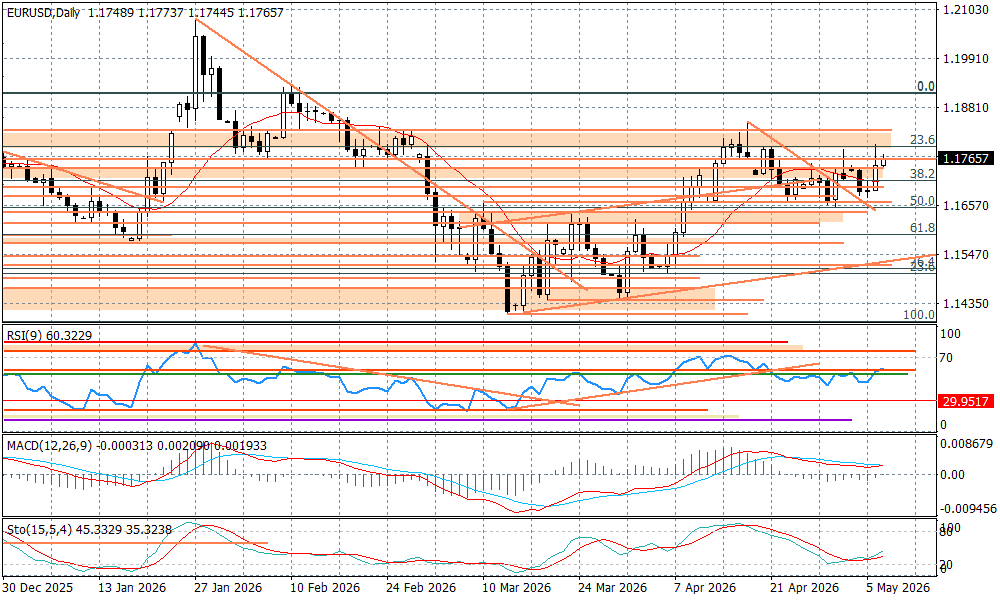
Daily EURUSD chart
Technically the setup is bullish, we are waiting for its confirmation in the form of a breakout of yesterday's peak, which would open the way to testing resistance from mid-April at 1.1848.