- In the annual view, the core inflation measure fell to 2.5%, the midpoint of the NBP inflation target range.
- In the monthly view we recorded the strongest price decline since 2016 – 0.5%.
- This is largely due to a drop in fuel prices (7.4% m/m) and food (0.7% m/m).
- More detailed data, including core inflation, will have to wait until July 16.
- We can, however, say with great confidence that after removing the most volatile components, inflation remained around 3%.
This is a message that fits the narrative presented at recent meetings by the Monetary Policy Council. As President Glapiński declared at the beginning of June – the level of rates is adequate to stabilize inflation under current conditions – we wholeheartedly agree. He also highlighted the lowest wage growth in five years, still positive in real terms (after inflation), the level of interest rates, and lower expectations for economic growth.
Inflation is not the only factor
Since the last meeting, the surprise has come from both wage growth (5.8%) and retail sales (3%), reducing fears of a so‑called second‑round effect. In simple terms – if further dynamic price increases are expected, the likelihood that employees will demand raises increases. Higher revenues can then translate into increased consumption.
This is important because the Monetary Policy Council has little influence over supply‑side inflation. By regulating the level of interest rates it cannot affect oil or natural gas prices on world markets. However, it can regulate domestic demand through appropriate monetary policy. Higher rates raise loan repayments, which shrink household budgets and leave less money for current purchases. High interest also discourages new borrowing and encourages saving in higher‑yield deposits.
Chart 1: Retail sales and consumer sentiment in Poland (2015‑2026)

Impact of data on RPP decisions
The RPP will sit again on July 8. After that we face a long break, as the August meeting is undecided.
The current reading seems to ultimately rule out the chances of rate hikes this year, which is confirmed by futures contracts that are cautiously beginning to price in cuts.
At this moment, a rate cut in 2026 is not yet the market baseline scenario; however, we cannot rule out a return to cuts in our view. It would require a lasting stabilization of maritime trade in the Strait of Hormuz and a reduction in international tensions – a possibly overly optimistic scenario.
Furthermore – in line with our expectations – domestic consumption would have to slow down further. Even assuming the above factors materialize, cuts are unlikely before the turn of 2026/2027.
Polish zloty reaction
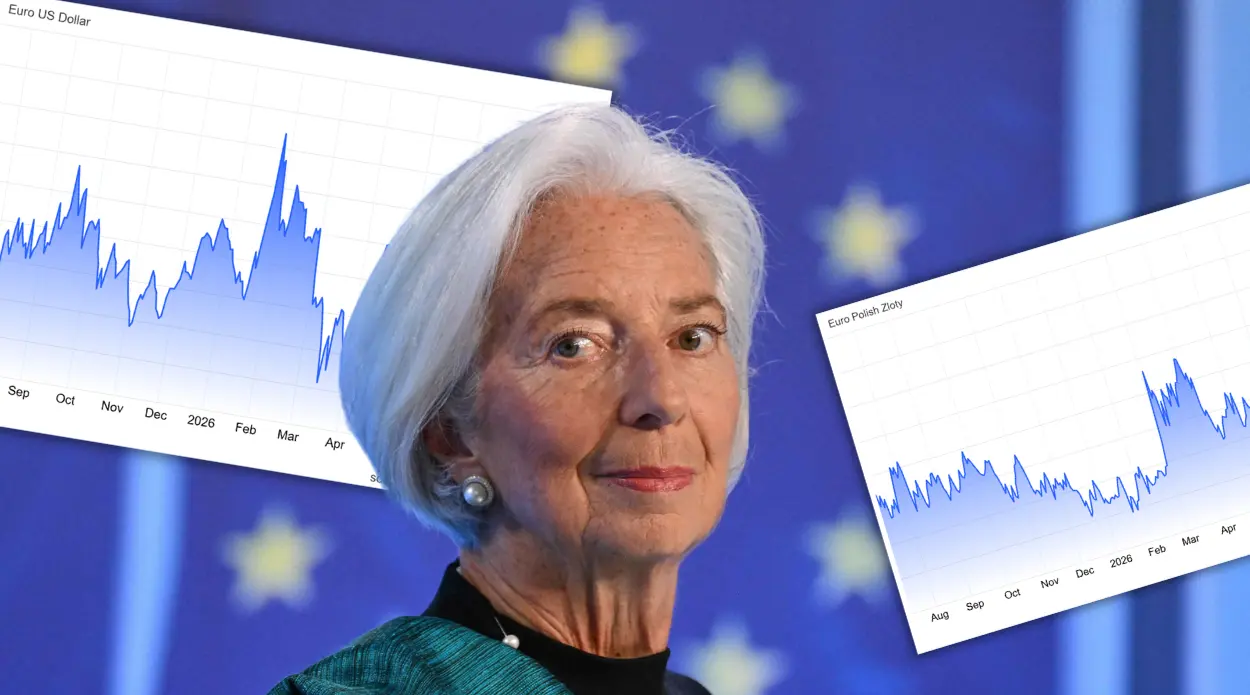
In the face of such dynamic changes in the valuation of the Polish rate path (in mid‑May three full moves were still priced in before year‑end), the depreciation of the zloty, which deepens June losses against the reference euro by 1.5%, is not surprising.
This means the EUR/PLN pair has broken the psychological barrier of 4.30.
What is worth emphasizing – although the publication of domestic reports that favor a looser RPP policy weighs on the Polish currency, the last weakening is mainly due to external factors.
The key factor here was the strengthening of the dollar, supported by hawkish rhetoric accompanying the latest Fed meeting, investors turning away from risk, and solid data from the U.S. economy. For this reason, the planned June NFP report from the U.S. labor market is of fundamental importance for the Polish currency.