Today in the economic calendar is the NBP chairman Adam Glapiński's conference, and additionally foreign data: industrial production in the Czech Republic and retail sales in the euro zone. The Czech Bank will also decide on interest rates – likely keeping them unchanged, just as the NBP did yesterday.
Industrial orders in Germany released in the morning surprised clearly upward, and the previous reading was also revised higher.
The Monetary Policy Council kept interest rates unchanged, as expected. The main interest rate remains at 3.75%. The statement emphasized the still heightened uncertainty about the development of the geopolitical situation and its impact on the Polish economy.
The Council deemed that under these conditions the optimal policy remains a "wait-and-see" strategy. Read more about this decision in our Commentary.
March industrial production in Hungary pleasantly surprised – it recorded a 3.7% year‑over‑year increase after a 0.9% drop the month before and against expectations of a slight decline. Meanwhile, inflation in the Czech Republic rose as consensus predicted, to 2.5% year‑over‑year from 1.9% in February. Final April PMI readings for the European services sector were close to preliminary data – these indices worsened compared to March.
Meanwhile, the ADP report in the USA turned out slightly worse than the market expected and indicated employment growth in April of 109 thousand after 61 thousand the month before. Government data on this will be released tomorrow.

Markets play for de-escalation: oil down, zloty strengthens, dollar weakens after US–Iran talks reports
Donald Trump's statement about advanced peace talks with Iran caused yesterday a sharp return of market hope for ending the Middle East conflict. Iran has not yet responded to the latest US proposal regarding the terms of the agreement, describing it as containing unacceptable clauses and being more of a "wish list" than a serious offer.
Washington simultaneously tightened its rhetoric, and President Trump threatens to resume bombings.
Despite the lack of hard decisions, commodity markets were clearly optimistic yesterday. Oil, after levels around $110 the day before, briefly fell to $97 before ending the session around $102.
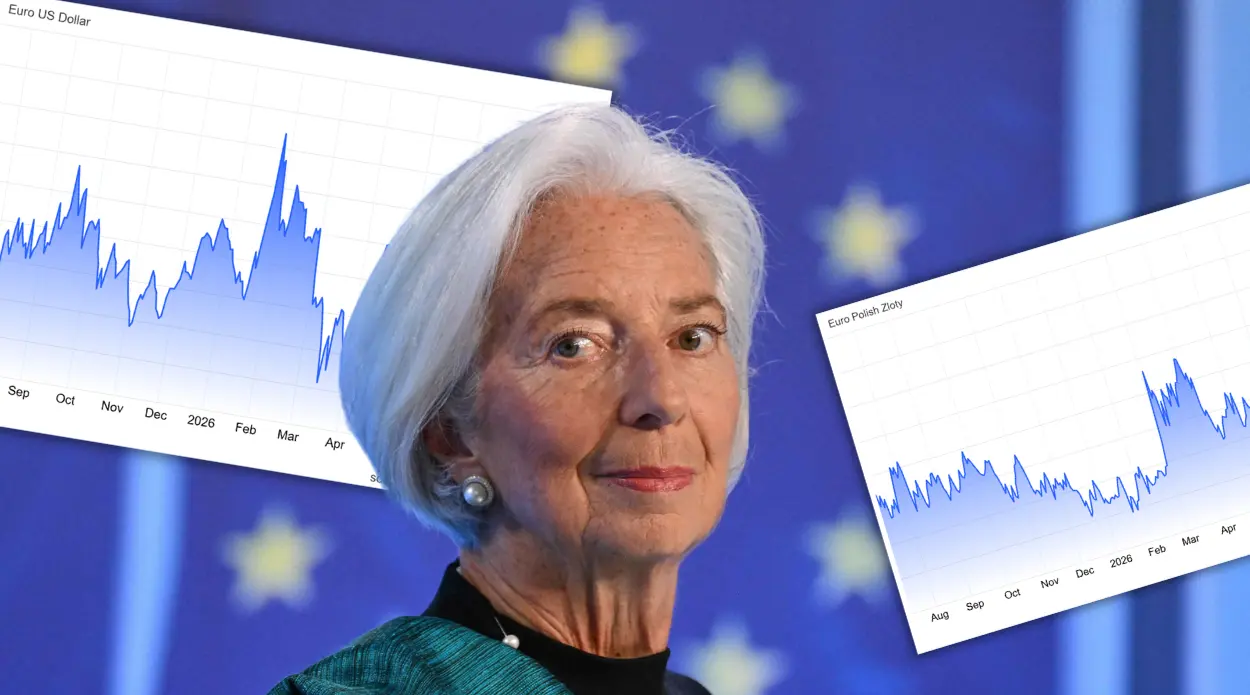
TTF gas also fell, while precious and industrial metals rose – gold, silver and copper. In the currency market, a weaker dollar lifted EURUSD to around 1.175 (+0.5%), and EURPLN fell to 4.23, indicating almost 0.4% strengthening of the zloty.

Bond yields fell 16 basis points on 2‑year notes and 20–22 basis points on the longer end of the curve, accompanied by a strong move in the interest rate market. IRS rates fell 14–16 basis points, resulting in ASW spreads narrowing by 6 basis points.
FRA valuations fell 9 basis points in the 3x6 contract and deeper, 19–22 basis points for longer terms. Yield declines on a smaller scale were visible in base markets – Bund yields fell 7–11 basis points, and US Treasuries 6–7 basis points. This move was supported by a sharp reduction in market expectations of future rate hikes by both the Fed and the ECB.